What to Eat When Transitioning with Hormone Therapy
Nutrition guidance for transgender individuals on hormone therapy: Support your transition with balanced, healthy eating patterns.

There is no special diet required when beginning hormone therapy for transgender individuals, though adjustments to calorie intake may be necessary due to changes in metabolism and body composition. Hormone therapy helps align physical appearance with gender identity, but nutrition plays a supportive role in managing side effects like weight gain and shifts in fat distribution.
Understanding Gender Identity and Hormone Therapy
Gender identity is an individual’s internal sense of being male, female, both, or neither, distinct from sex assigned at birth based on physical characteristics. Gender expression involves external manifestations like clothing, pronouns, and hairstyle. Transgender individuals have a gender identity or expression differing from their assigned sex.
Many choose medical transition via hormone therapy (HT). Feminizing HT blocks testosterone and introduces estrogen, promoting breast development, fat redistribution to hips and thighs, softer skin, and reduced muscle mass. Masculinizing HT uses testosterone, leading to increased muscle, facial/body hair growth, voice deepening, and fat shift to abdomen. Delivery methods include pills, injections, patches, gels, or sprays. Effects vary by age, genetics, dosage, and duration—not everyone pursues HT.
Physical Changes with Hormone Therapy
HT mimics a “second puberty,” causing profound shifts over 1–5 years. Common changes include altered hair growth, skin oiliness, body shape, and voice timbre. These are expected and vary individually.
Weight Gain and Body Composition
Weight gain affects 50–80% of people on HT, typically 5–20 pounds in the first year, due to increased appetite, water retention, and metabolic changes. Masculinizing HT boosts muscle mass (up to 10–20% increase) while reducing fat percentage; feminizing HT decreases muscle (10–30% loss) and increases fat (especially subcutaneous).
- Muscle gain on testosterone improves strength but raises calorie needs.
- Estrogen shifts fat to “feminine” patterns: hips, buttocks, thighs.
- Testosterone favors abdominal (visceral) fat, potentially raising cardiovascular risks.
Body Shape Redistribution
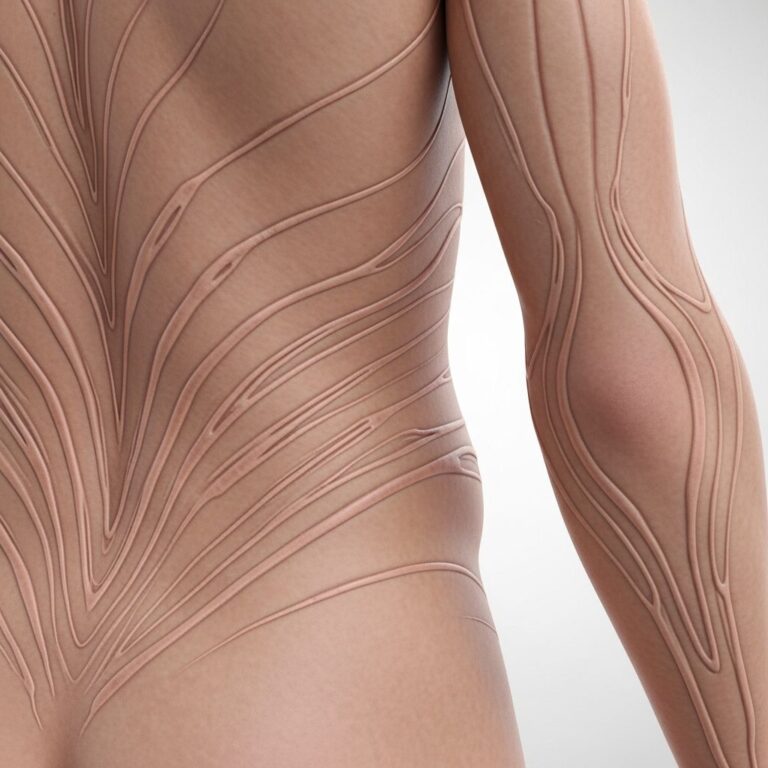
Fat relocation is key for gender affirmation. Masculinizing HT reduces hip/buttock fat, creating a V-shaped torso. Feminizing HT expands these areas, forming an hourglass figure. These changes peak after 2–3 years.
Other Health Impacts
HT influences cholesterol (testosterone lowers HDL; estrogen raises triglycerides), blood pressure, and bone density (estrogen protects bones; testosterone may require monitoring). Nutrition mitigates risks like elevated lipids or hypertension.
Healthy Eating Guidelines
No foods directly alter HT efficacy or “accelerate” transition—myths about soy boosting estrogen or dairy blocking testosterone lack evidence. Follow general healthy patterns, adjusting calories (e.g., +200–500 for muscle gain; monitor for fat gain). The 2020-2025 Dietary Guidelines for Americans provide a framework suitable for all, including transgender people on HT.
Key Recommendations
- Vegetables: 2½+ cups/day; prioritize dark green (spinach, kale), red/orange (carrots, tomatoes), beans/lentils, starchy (potatoes).
- Fruits: 2+ cups/day, mostly whole (berries, apples) for fiber/antioxidants.
- Grains: 6+ oz/day, ≥50% whole (oats, quinoa, brown rice) for sustained energy.
- Proteins: 5½+ oz/day; lean meats, poultry, eggs, seafood (fatty fish for omega-3s), plants (tofu, nuts, seeds). Aim 1.2–2.0g/kg body weight on masculinizing HT.
- Dairy/Fortified Alternatives: 3 cups/day low-fat milk, yogurt, cheese, or plant-based (almond/soy milk with calcium/vitamin D).
Related Stories



Limit: Added sugars <10% calories, saturated fat <10%, sodium <2300mg, alcohol (≤1 women/≤2 men daily, or none).
Heart-Healthy Focus for HT
HT elevates cardiovascular risks: testosterone links to hypertension/CVD; estrogen to clots/stroke. Adopt DASH or Mediterranean patterns:
| Heart-Healthy Foods | Foods to Limit |
|---|---|
| Colorful produce, whole grains, lean proteins (salmon, legumes), unsaturated fats (avocados, olive oil), low-fat dairy | Sodium, saturated/trans fats, added sugars, excess alcohol |
Omega-3s from fish/nuts combat inflammation; fiber lowers cholesterol.
Sex-Specific Considerations
Base needs on birth sex initially, adjusting for HT: biological males need more calories/protein; females focus iron/folate. RDNs tailor via body comp scans.
Sample Daily Meal Plan (2000 Calories)
- Breakfast: Oatmeal with berries, chia seeds, almond milk.
- Lunch: Grilled chicken salad with mixed greens, quinoa, avocado dressing.
- Snack: Greek yogurt with nuts.
- Dinner: Baked salmon, sweet potato, broccoli.
- Snack: Apple with peanut butter.
How a Registered Dietitian Nutritionist (RDN) Can Help
RDNs provide personalized plans addressing HT side effects, comorbidities (e.g., diabetes), and goals like muscle gain or fat management. They assess via labs, body metrics, diet history, and meds. Benefits include:
- Calorie/macronutrient balancing for body comp changes.
- Heart-healthy strategies to offset HT risks.
- Managing appetite/weight via mindful eating.
- Nutrient optimization (e.g., calcium/vitamin D for bones).
Find RDNs via Academy of Nutrition and Dietetics’ tool, filtering for LGBTQ+ competencies, telehealth, or specialties like transgender care.
Frequently Asked Questions (FAQs)
Is there a special diet for hormone therapy?
No, adhere to general guidelines like Dietary Guidelines for Americans, tweaking calories as needed.
Does weight gain from HT reverse?
Some stabilize with diet/exercise; changes are often permanent but manageable.
Can food affect hormone levels?
No strong evidence; focus on overall health, not manipulation.
Which diet for heart health on HT?
DASH/Mediterranean: fruits/veggies, whole grains, lean proteins, healthy fats.
Protein needs on masculinizing HT?
1.6–2.2g/kg to support muscle; consult RDN.
Bone health on feminizing HT?
Calcium 1000–1200mg, vitamin D 600–800 IU daily; weight-bearing exercise.
Nutrition empowers self-care during transition, fostering resilience amid changes. Consult healthcare providers for individualized advice.
References
- What to Eat When Transitioning with Hormone Therapy — Academy of Nutrition and Dietetics. 2023. https://www.eatright.org/health/wellness/weight-and-body-positivity/what-to-eat-when-transitioning-with-hormone-therapy
- Nutrition and Heart Health for Transgender People on Hormone Therapy — Academy of Nutrition and Dietetics. 2023. https://www.eatright.org/health/health-conditions/cardiovascular-health-heart-disease-hypertension/nutrition-and-heart-health-for-transgender-people-on-hormone-therapy
- How to Approach Sex-Specific Nutrition Recommendations for Transgender People — Academy of Nutrition and Dietetics. 2023. https://www.eatright.org/health/wellness/healthful-habits/how-to-approach-sex-specific-nutrition-recommendations-for-transgender-people
- Nutrition for Transgender Individuals — Academy of Nutrition and Dietetics. 2023. https://www.eatright.org/health/wellness/weight-and-body-positivity/nutrition-for-transgender-individuals
- Dietary Guidelines for Americans, 2020-2025 — U.S. Department of Health and Human Services / U.S. Department of Agriculture. 2020. https://www.dietaryguidelines.gov/
Similar Articles








Read full bio of medha deb