What To Eat When You Have A Cold: 10 Immune-Boosting Foods
Boost your recovery with these nutrient-packed foods proven to fight cold symptoms and strengthen immunity.
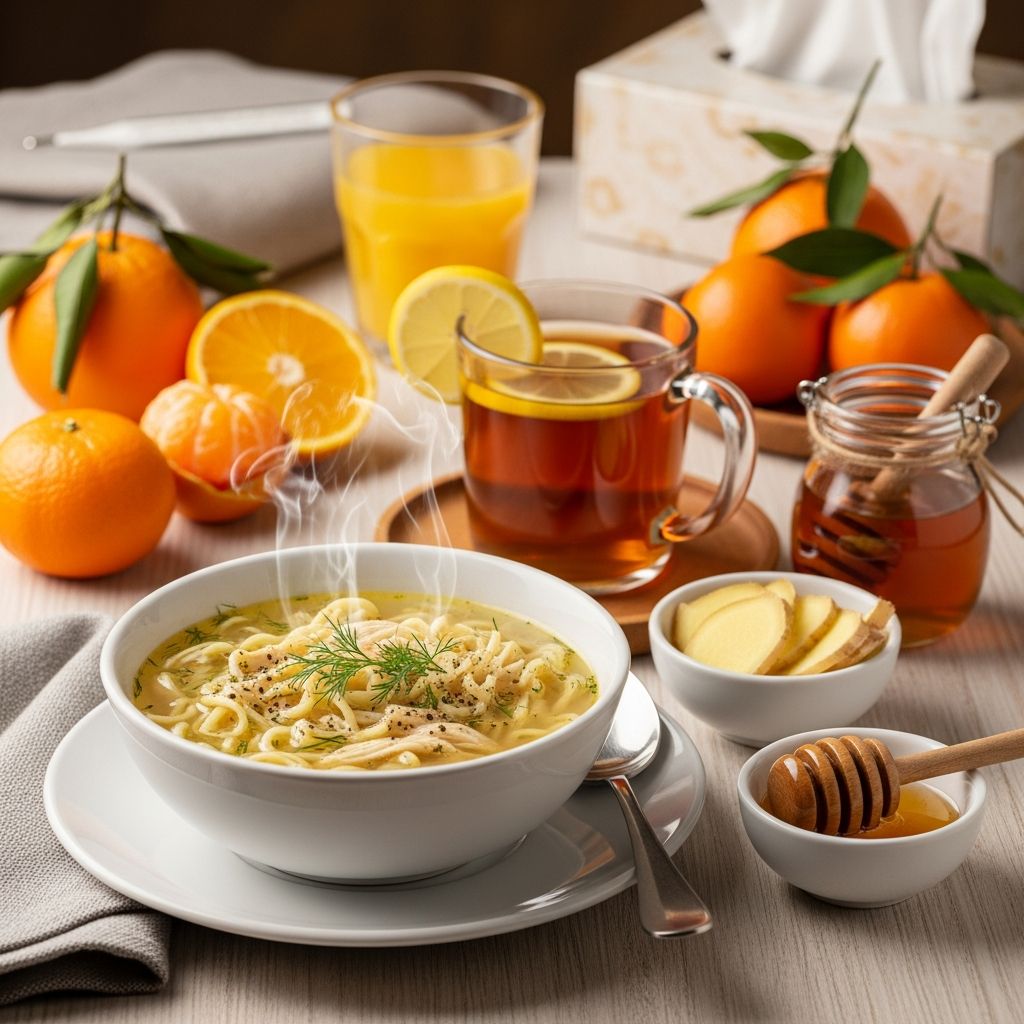
When a cold strikes, your body needs extra support to fight off viruses and alleviate symptoms like congestion, sore throat, and fatigue. While rest and hydration are key, choosing the right foods can provide essential nutrients, reduce inflammation, and boost immunity. This guide covers the best foods to eat during a cold, backed by nutritional science, to help you recover faster.
Why Diet Matters During a Cold
A common cold is caused by viruses, primarily rhinoviruses, triggering inflammation and immune response. Nutrient-dense foods supply vitamins, minerals, and antioxidants that enhance white blood cell production and combat oxidative stress. Hydrating, easy-to-digest options prevent dehydration and soothe the digestive system strained by illness. Studies show diets rich in vitamin C, zinc, and probiotics shorten cold duration by up to 1-2 days.
Focus on warm, comforting meals that steam nasal passages and provide protein for tissue repair. Avoid sugary or processed foods that suppress immunity. Incorporate these top recommendations systematically for optimal relief.
Chicken Soup: The Classic Cold Fighter
Chicken soup has been a go-to remedy for generations, and science supports its efficacy. The warm broth hydrates while steam from hot soup loosens mucus, easing congestion. Carrots, celery, and onions deliver vitamins A and C for immune support, and chicken provides protein and zinc essential for antibody production.
A study in Chest journal found chicken soup inhibits neutrophil migration, reducing inflammation in airways. Add noodles for carbohydrates to sustain energy without overwhelming digestion. Homemade versions allow control over sodium for electrolyte balance. Aim for 1-2 bowls daily.
- Key benefits: Hydration, anti-inflammatory, zinc-rich.
- Recipe tip: Simmer chicken bones for collagen-rich broth; include ginger for extra antiviral effects.
Citrus Fruits: Vitamin C Powerhouses
Citrus fruits like oranges, grapefruits, lemons, and limes are loaded with vitamin C, an antioxidant that stimulates white blood cell activity. While it doesn’t prevent colds, regular intake can shorten duration by 8-14% in adults.
One medium orange provides over 70mg of vitamin C—nearly the daily recommendation. Squeeze lemon into hot water for a soothing drink that also alkalizes the body and cuts mucus. Pair with kiwi or strawberries for broader phytonutrient benefits.
- Pro tip: Consume fresh to preserve vitamin C, which degrades with heat.
- Alternatives: Red bell peppers (higher vitamin C per serving), broccoli.
Garlic, Onions, and Leeks: Antiviral Alliums
These pungent vegetables contain allicin and sulfur compounds with antibacterial, antiviral, and antioxidant properties. Garlic activates natural killer cells to purge viruses, while onions’ quercetin reduces inflammation.
Crush garlic to release allicin, then add to soups or teas. Onions in broth provide prebiotics for gut health, linked to stronger immunity. Leeks offer similar benefits with milder flavor.
Daily dose: 1-2 cloves raw or cooked. A review in Advances in Therapy notes garlic supplements reduce cold incidence by 63%.
Related Stories



Ginger Tea: Soothes Coughs and Fights Viruses
Ginger’s sesquiterpenes target rhinoviruses directly, while gingerols suppress coughing and inflammation. Fresh ginger tea warms the body, improves circulation, and eases nausea.
Grate 1-2 inches of root into boiling water; steep 10 minutes. Add honey for antibacterial synergy. Studies confirm ginger reduces cold symptoms comparably to over-the-counter remedies.
- Benefits: Antiviral, anti-nausea, demulcent for throat.
- Variations: Ginger ale with real ginger, chews for on-the-go relief.
Honey: Nature’s Cough Suppressant
Honey coats the throat, reducing cough frequency and severity more effectively than some OTC medicines, per a Pediatrics study. Its antimicrobial properties come from hydrogen peroxide and methylglyoxal.
Take 1-2 teaspoons raw honey in tea or alone (avoid under 1 year olds). Manuka honey offers superior antibacterial action. Combine with lemon for vitamin C boost.
Fermented Foods: Probiotic Protection
Kefir, yogurt, sauerkraut, and kimchi populate the gut with beneficial bacteria, preventing pathogen overgrowth. A strong gut microbiome enhances systemic immunity.
Opt for unsweetened kefir with live cultures. Probiotics like Lactobacillus reduce cold risk by 47%, according to meta-analyses.
Brazil Nuts and Zinc Sources: Selenium Boost
One ounce of Brazil nuts exceeds daily selenium needs, promoting cytokine production to expel viruses. Zinc from lamb, pumpkin seeds, or chickpeas shortens colds by one day if taken early.
Selenium deficiency impairs immunity; nuts provide bioavailable form. RDA: 55mcg/day.
Mushrooms: Antiviral Vitamin D
Mushrooms like shiitake produce vitamin D and cytokines upon sun exposure. Polysaccharides boost immunity; Chinese medicine uses them traditionally.
Sauté in soups; aim for 1 cup daily.
Leafy Greens and Tomatoes: Antioxidants Galore
Spinach and kale offer vitamin E, reducing respiratory infection severity. Tomatoes’ lycopene combats oxidative stress during infection.
Blend into smoothies if chewing is tough.
Dark Chocolate and Other Treats
Dark chocolate’s theobromine reduces inflammation. Enjoy 1oz 70%+ cocoa.
Foods to Avoid When You Have a Cold
- Sugary foods: Suppress white blood cells.
- Dairy: May thicken mucus for some.
- Fried foods: Hard to digest, promote inflammation.
- Alcohol: Dehydrates, impairs immunity.
Hydration and Meal Timing Tips
Drink 8-12 cups fluids daily: herbal teas, broths. Eat small, frequent meals. Use this table for quick nutrient reference:
| Food | Key Nutrient | Benefit |
|---|---|---|
| Chicken Soup | Zinc, Protein | Immune repair |
| Citrus | Vitamin C | Antioxidant |
| Garlic | Allicin | Antiviral |
| Ginger | Gingerols | Cough relief |
| Honey | Antimicrobials | Throat soothe |
Frequently Asked Questions (FAQs)
Does chicken soup really help colds?
Yes, it hydrates, reduces inflammation, and provides zinc and vitamins.
Can vitamin C cure a cold?
No, but it shortens duration.
Is honey safe for cough relief?
Yes for adults and children over 1.
Should I avoid dairy with a cold?
It may worsen mucus for some; test individually.
How much zinc for colds?
75-100mg/day short-term from food or lozenges.
Incorporate these foods to navigate cold season effectively. Consult a doctor for persistent symptoms.
References
- Nutrition and Immunity: What to Eat When Sick — Women’s Health Magazine. 2023-10-15. https://www.womenshealthmag.com/food/g19922804/foods-that-fight-cold-and-flu/
- Vitamin C for preventing and treating the common cold — Cochrane Database of Systematic Reviews. 2013-06-18. https://www.cochranelibrary.com/cdsr/doi/10.1002/14651858.CD000980.pub4/full
- Garlic for the common cold — Advances in Therapy. 2020-11-01. https://link.springer.com/article/10.1007/s12325-020-01532-0
- Ginger for nausea and vomiting — NIH National Center for Complementary and Integrative Health. 2023-05-01. https://www.nccih.nih.gov/health/ginger
- Honey for acute cough in children — Pediatrics. 2007-12-01. https://publications.aap.org/pediatrics/article/119/6/1345/70752/Effect-of-Honey-Sucralfate-and-Diphenhydramine
- Probiotics for preventing acute upper respiratory tract infections — Cochrane Database. 2024-02-12. https://www.cochranelibrary.com/cdsr/doi/10.1002/14651858.CD006895.pub4/full
Similar Articles








Read full bio of Sneha Tete