What To Eat When You Have COVID: Essential Nutrition Guide
Boost recovery and support your immune system with the right foods during COVID-19 illness.
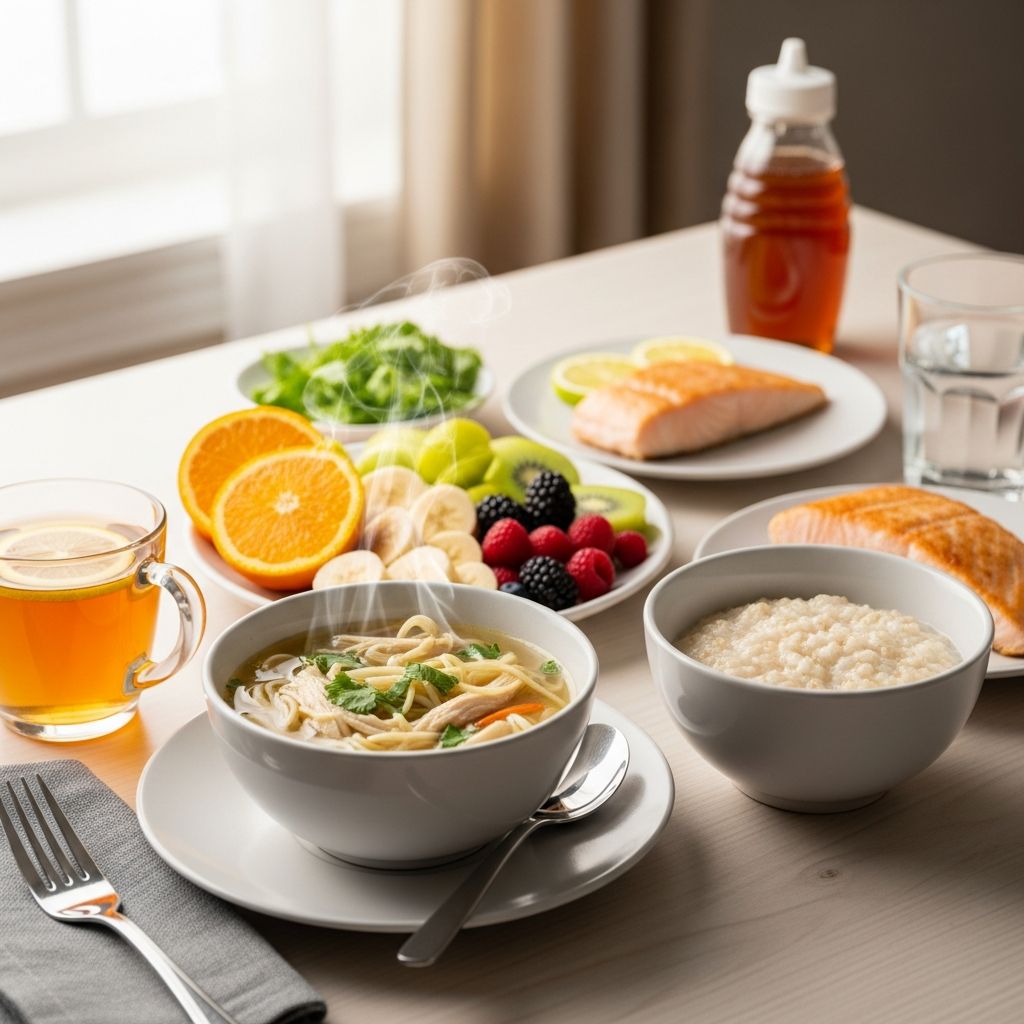
When battling COVID-19, proper nutrition plays a crucial role in supporting your immune system, aiding recovery, and managing symptoms like fatigue, loss of appetite, and inflammation. A balanced diet rich in fruits, vegetables, whole grains, lean proteins, and healthy fats can help mitigate severity and promote faster healing, as evidenced by studies linking plant-based diets to better outcomes.
Why Nutrition Matters During COVID-19
Optimal nutrition strengthens the immune response against SARS-CoV-2, the virus causing COVID-19. Research shows that diets high in fruits, vegetables, legumes, nuts, and omega-3-rich foods, such as the Mediterranean diet, are associated with a 5-25% lower risk of infection and reduced symptom severity. Phytochemicals in plants like broccoli, citrus fruits, and berries bind to viral spike proteins, potentially inhibiting replication. Micronutrients like vitamins A, C, D, zinc, and selenium are vital for immune modulation, best obtained from whole foods. Poor nutrition can exacerbate inflammation and prolong recovery, making dietary choices essential even with symptoms like fever or loss of taste.
Guidelines from health organizations emphasize well-balanced meals to maintain energy, hydration, and nutrient levels during isolation or quarantine. Consuming fresh, unprocessed foods daily supports overall well-being and lowers chronic disease risk, which can worsen COVID outcomes.
Foods to Prioritize for Immune Support
Focus on nutrient-dense foods to bolster immunity. Prioritize these categories:
- Fruits and Vegetables: Aim for at least 2 cups of fruit (4 servings) and 2.5 cups of vegetables (5 servings) daily. Citrus fruits (oranges, lemons), berries, kiwi, broccoli, spinach, carrots, and sweet potatoes provide vitamins C, A, and antioxidants.
- Whole Grains and Legumes: Include 180g of grains like brown rice, oats, millet, or whole wheat, plus lentils, beans, and peas for fiber, protein, and B vitamins.
- Lean Proteins: 160g of meat, fish, eggs, poultry (2-3 times weekly), or dairy. Fish offers omega-3s to reduce inflammation.
- Nuts and Seeds: Almonds, walnuts, and seeds for healthy fats, vitamin E, and zinc.
- Healthy Fats: Olive oil, avocados, and fatty fish over saturated fats.
Snacks should be raw veggies, fresh fruit, or nuts instead of sugary or salty processed items to preserve vitamins and avoid excess sugar or salt.
Hydration: Stay Fluid-Focused
Hydration is critical during COVID-19 to combat fever, dry cough, and mucus buildup. Aim for 8-10 glasses of water daily, more if experiencing diarrhea or heavy sweating. Herbal teas, broths, and electrolyte drinks help replace lost fluids and sodium. Infuse water with lemon or cucumber for flavor and vitamin C boost. Avoid sugary sodas, which can worsen inflammation. Proper hydration supports nutrient transport and immune cell function, aiding recovery.
Meal Ideas for Loss of Appetite and Taste Changes
COVID-19 often causes anosmia (loss of smell) or ageusia (loss of taste), reducing appetite. Opt for nutrient-packed, easy-to-eat meals:
- Smoothies: Blend spinach, banana, yogurt, berries, and ginger for vitamins and protein.
- Soups and Broths: Vegetable or chicken bone broth with herbs for hydration and electrolytes.
- Soft Foods: Oatmeal with nuts, mashed sweet potatoes, or scrambled eggs with avocado.
- Flavor Enhancers: Use garlic, ginger, herbs, spices, or citrus to compensate for dulled senses.
Eat small, frequent meals to maintain calorie intake without overwhelming the stomach. Fermented foods like yogurt or kefir may speed recovery via gut health support.
Diet Patterns Proven to Help
Related Stories



The Mediterranean diet stands out for COVID-19 benefits. It’s rich in fruits, veggies, legumes, nuts, olive oil, fish, and moderate dairy, minimizing red meat. Studies show it lowers infection risk by up to 25%, reduces severe symptoms by 6-34%, and cuts hospitalization odds by 77% in some cases. Key elements include higher olive oil, fruits, nuts, veggies, whole grains, and fish intake.
| Food Group | Mediterranean Diet Daily Intake | Benefits for COVID-19 |
|---|---|---|
| Fruits & Veggies | 5+ servings | Antioxidants reduce inflammation |
| Whole Grains/Legumes | 3-5 servings | Fiber supports gut immunity |
| Fish/Nuts/Olive Oil | Regular | Omega-3s lower severity |
| Red Meat | Minimal | Avoids pro-inflammatory effects |
Foods and Habits to Avoid
Limit items that promote inflammation or weaken immunity:
- Sugars and Sodas: High intake linked to worse outcomes; choose whole fruits.
- Salt: Under 5g daily (1 tsp); avoid processed snacks.
- Saturated/Trans Fats: Skip fatty meats, butter, fried foods, and industrially produced trans fats.
- Processed Meats: High in salt and fat; opt for poultry or fish.
- Alcohol: Moderate at most; excess impairs immunity.
Cook simply: steam or lightly cook veggies to retain vitamins; use herbs over salt.
Supplements: When and What?
Whole foods are best, but if deficient, consider vitamins C, D, A, zinc, selenium, or omega-3s under medical advice. No strong evidence supports supplements preventing COVID-19, but they may aid those with poor diets. Consult a doctor, especially if high-risk.
Special Considerations for Recovery
Post-acute phases involve fatigue and muscle loss. Increase protein (eggs, fish, beans) for repair, and anti-inflammatory foods like turmeric or ginger. For long COVID, sustained plant-rich diets help manage lingering inflammation. Track intake; apps can monitor nutrients during appetite loss.
Frequently Asked Questions (FAQs)
Can diet prevent COVID-19?
While no diet guarantees prevention, Mediterranean-style eating rich in plants and healthy fats lowers infection risk by 5-25% and severity.
What if I have no appetite with COVID?
Opt for smoothies, soups, and small nutrient-dense meals; ginger or spices can stimulate taste.
Is hydration more important during fever?
Yes, fever increases fluid loss; aim for 10+ glasses daily plus electrolytes.
Should I take vitamin D for COVID?
Vitamin D supports immunity; get from sun, fatty fish, or fortified foods, supplement if deficient per doctor.
Does red meat worsen COVID symptoms?
Higher red meat intake correlates with increased risk and severity due to inflammation; limit it.
Always consult healthcare providers for personalized advice, especially with comorbidities. Combining nutrition with rest, hygiene, and vaccination optimizes recovery.
References
- Nutrition advice for adults during the COVID-19 outbreak — World Health Organization EMRO. 2020. https://www.emro.who.int/nutrition/covid-19/nutrition-advice-for-adults-during-the-covid-19-outbreak.html
- Mediterranean diet improves COVID-19 outcomes by keeping inflammation in check — UCHealth Today. 2023-10-18. https://www.uchealth.org/today/mediterranean-diet-improves-covid-19-outcomes-by-keeping-inflammation-in-check/
- Dietary recommendations during the COVID-19 pandemic — PMC – NIH. 2020-08-13. https://pmc.ncbi.nlm.nih.gov/articles/PMC7454801/
- Good nutrition reduces risks of COVID-19, research shows — Indiana University School of Medicine. 2023. https://medicine.iu.edu/blogs/the-beat/covid-nutrition
- Coronavirus (COVID-19) recovery – Diet and eating habits — Guy’s and St Thomas’ NHS Foundation Trust. 2023. https://www.guysandstthomas.nhs.uk/health-information/coronavirus-covid-19-recovery/diet-and-eating-habits
Similar Articles








Read full bio of Sneha Tete