What To Eat When You Have The Flu: 13 Healthy Foods & Drinks
Discover the best foods and drinks to eat when you have the flu to boost recovery, stay hydrated, and ease symptoms effectively.
When influenza strikes, your body needs the right fuel to fight back. Proper nutrition and hydration can alleviate symptoms like fatigue, congestion, nausea, and dehydration while supporting immune function for quicker recovery. Health experts emphasize easy-to-digest foods rich in vitamins, lean proteins, and fluids over heavy or irritating options. This article outlines the best choices, what to avoid, and practical tips based on recommendations from medical professionals.
Why Nutrition Matters During the Flu
The flu, caused by influenza viruses, triggers inflammation, fever, and mucus production, often leading to loss of appetite and dehydration. Eating the right foods provides energy, thins mucus, and delivers essential nutrients like vitamin C, antioxidants, and electrolytes. Fluids are crucial as they prevent dehydration, which worsens symptoms. According to UnityPoint Health’s Dr. Richard Hodge, adults should aim for at least 64 ounces of fluids daily to support immune function and reduce congestion. Neglecting this can prolong illness and increase fatigue.
Signs of Dehydration to Watch For
Dehydration is a common flu complication. Monitor these symptoms and increase fluid intake if noticed:
- Dark urine
- Fatigue
- Muscle cramps
- Constipation
- Fast pulse
- Lightheadedness
Water remains the gold standard, but alternatives like Pedialyte, herbal teas, or low-sugar sports drinks help replenish electrolytes without added sugars that impair immunity.
Best Foods and Drinks to Eat When You Have the Flu
Focus on bland, nutrient-dense options that are gentle on the stomach. These provide quick energy, hydration, and immune support without overwhelming digestion.
Hydrating Drinks
- Water: Essential for thinning mucus and preventing dehydration. Aim for clear or light-colored urine as a hydration gauge.
- 100% Orange Juice: Boosts immunity with vitamin C; choose no-added-sugar varieties to avoid feeding the virus.
- Vegetable Juice: Packed with antioxidants from veggies like tomatoes or carrots; 100% juice only.
- Green or Black Tea: Rich in vitamins, minerals, and antioxidants that combat oxidative stress.
- Low-Sugar Sports Drinks or Pedialyte: Replenish electrolytes lost through fever and sweating.
- Flat Ginger Ale: Settles nausea without carbonation irritation.
Easy-to-Digest Foods
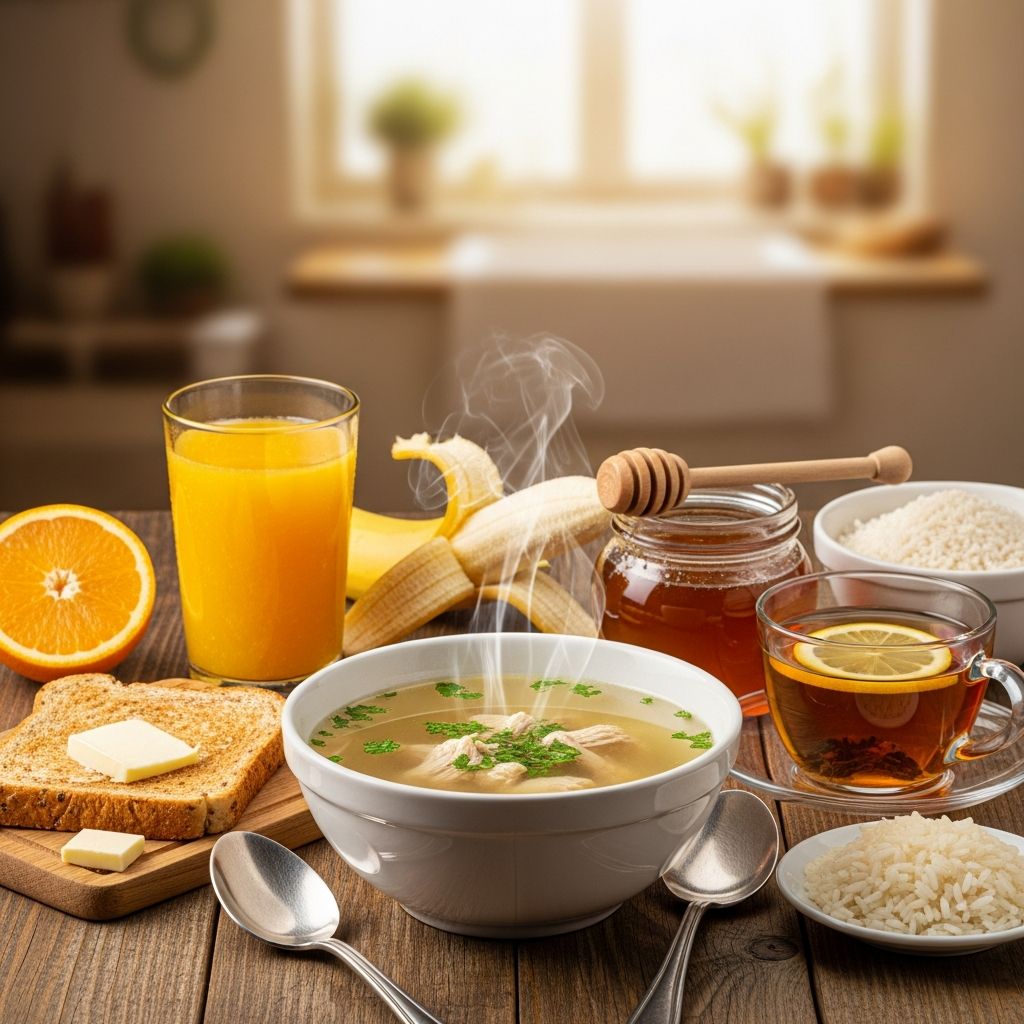
- Chicken Noodle Soup: A classic for good reason—lean chicken offers protein, broth hydrates, and warm steam eases congestion.
- Bananas: Potassium-rich, easy on the stomach, and provide quick energy.
- Apples: High in vitamin C and antioxidants for immune support.
- Toast or Plain Crackers (e.g., Saltines): Bland carbs settle nausea; avoid flavored varieties that irritate sore throats.
- Lean Turkey or Chicken Sandwich: Simple protein without heavy fats for sustained energy.
- 100% Fruit Popsicles: Hydrating and appealing, especially for children.
- Eggs (Plain): Nutrient-dense protein; skip cheese or fatty add-ons.
These foods align with the BRAT diet (bananas, rice, applesauce, toast) principles, extended for flu recovery. They minimize digestive strain while maximizing nutrient absorption.
Foods and Drinks to Avoid When Sick with the Flu
Certain items exacerbate symptoms by promoting dehydration, thickening mucus, or upsetting the stomach. Steer clear during the acute phase.
- Dairy (Milk, Yogurt, Ice Cream): Hard to digest; may thicken mucus and worsen nausea. Reintroduce yogurt later for probiotics.
- Sugary Sodas or High-Sugar Juices: Suppress immunity; flat ginger ale is an exception for nausea.
- Alcohol and Caffeinated Drinks (Coffee): Diuretic effects increase dehydration and hinder immune response.
- Fried or Greasy Foods: Difficult to digest, prolonging nausea.
- Spicy Foods: Irritate the stomach and throat.
- Processed Foods High in Sodium or Sugar: Cause bloating and fluid imbalance.
- Kombucha: Lacks evidence for benefits and may cause side effects.
Related Stories



Prioritizing avoidance here prevents setbacks. For instance, dairy’s fat content slows gastric emptying, intensifying flu-related discomfort.
Immune-Boosting Herbs and Spices
Incorporate these into teas, soups, or steam for added relief:
- Ginger: Reduces nausea and boosts interferon, a key antiviral compound.
- Garlic: Clears congestion and enhances immunity.
- Cinnamon: Soothes sore throats and supports immune function.
- Peppermint: Eases congestion like menthol and calms irritation.
- Thyme: Add to tea or steam for mucus breakdown.
These natural remedies complement diet without overwhelming the system.
Sample Meal Plan for Flu Recovery
Use this table for a day’s easy menu:
| Meal | Suggested Foods/Drinks | Benefits |
|---|---|---|
| Breakfast | Banana with toast, green tea | Quick energy, hydration, antioxidants |
| Mid-Morning | 100% orange juice, plain crackers | Vitamin C boost, nausea relief |
| Lunch | Chicken noodle soup, apple slices | Protein, hydration, fiber |
| Afternoon | Fruit popsicle, water | Electrolytes, cooling relief |
| Dinner | Lean turkey sandwich, veggie juice | Sustained energy, nutrients |
| Evening | Ginger tea, plain eggs | Nausea soothe, protein |
Adjust portions based on appetite; prioritize fluids throughout.
When to See a Doctor
While diet aids recovery, seek medical help for high fever over 103°F, difficulty breathing, chest pain, persistent vomiting, or symptoms lasting over a week. Antivirals may be needed early in the illness.
Frequently Asked Questions (FAQs)
Can I eat yogurt when I have the flu?
Not initially—dairy can thicken mucus and cause nausea. Wait until symptoms subside, then use for gut health.
Is chicken soup really helpful for the flu?
Yes, it provides hydration, lean protein, and anti-inflammatory benefits from warmth and ingredients.
How much water should I drink with the flu?
At least 64 ounces daily for adults, more if feverish, to combat dehydration.
Are sports drinks okay during flu recovery?
Low-sugar versions yes, for electrolyte replacement; avoid high-sugar ones.
Does spicy food worsen flu symptoms?
Yes, it can irritate the stomach and throat—opt for mild flavors.
Recovering from the flu requires strategic eating: hydrate relentlessly, choose gentle nutrients, and skip irritants. These habits not only ease discomfort but empower your immune system. Consult a healthcare provider for personalized advice.
References
- Food and Drink to Help You Fight the Flu — UnityPoint Health, Richard Hodge, MD. 2023 (Accessed 2026). https://www.unitypoint.org/news-and-articles/food-and-drink-to-help-you-fight-the-flu
- Influenza (Flu) — Centers for Disease Control and Prevention (CDC). 2025-01-10. https://www.cdc.gov/flu/about/index.html
- Nutrition and Immunity: An Update — European Journal of Clinical Nutrition (Peer-reviewed). 2024-08-15. https://doi.org/10.1038/s41430-024-01448-8
- Hydration for Health — World Health Organization (WHO). 2025-03-22. https://www.who.int/news-room/fact-sheets/detail/hydration-for-health
- Dietary Recommendations for Viral Infections — National Institutes of Health (NIH). 2024-11-05. https://www.nih.gov/news-events/nih-research-matters/dietary-recommendations-viral-infections
Similar Articles








Read full bio of medha deb