What to Eat with Diabetes: Free Food Basics
Master diabetes-friendly eating with free foods, smart carbs, proteins, and tips for balanced blood sugar control every day.
Managing diabetes starts with smart food choices that stabilize blood sugar levels while nourishing your body. This guide breaks down the essentials: free foods like non-starchy vegetables you can eat unlimited amounts of, quality carbohydrates, lean proteins, healthy fats, low-fat dairy, and calorie-free beverages. Following these basics helps prevent spikes and crashes, supports weight management, and reduces complication risks.
Backed by guidelines from the American Diabetes Association (ADA) and CDC, these principles emphasize whole foods over processed ones, prioritizing non-starchy veggies as your plate’s foundation. Whether you’re newly diagnosed or refining your routine, these strategies make healthy eating simple and sustainable.
The Diabetes Plate Method: A Simple Starting Point
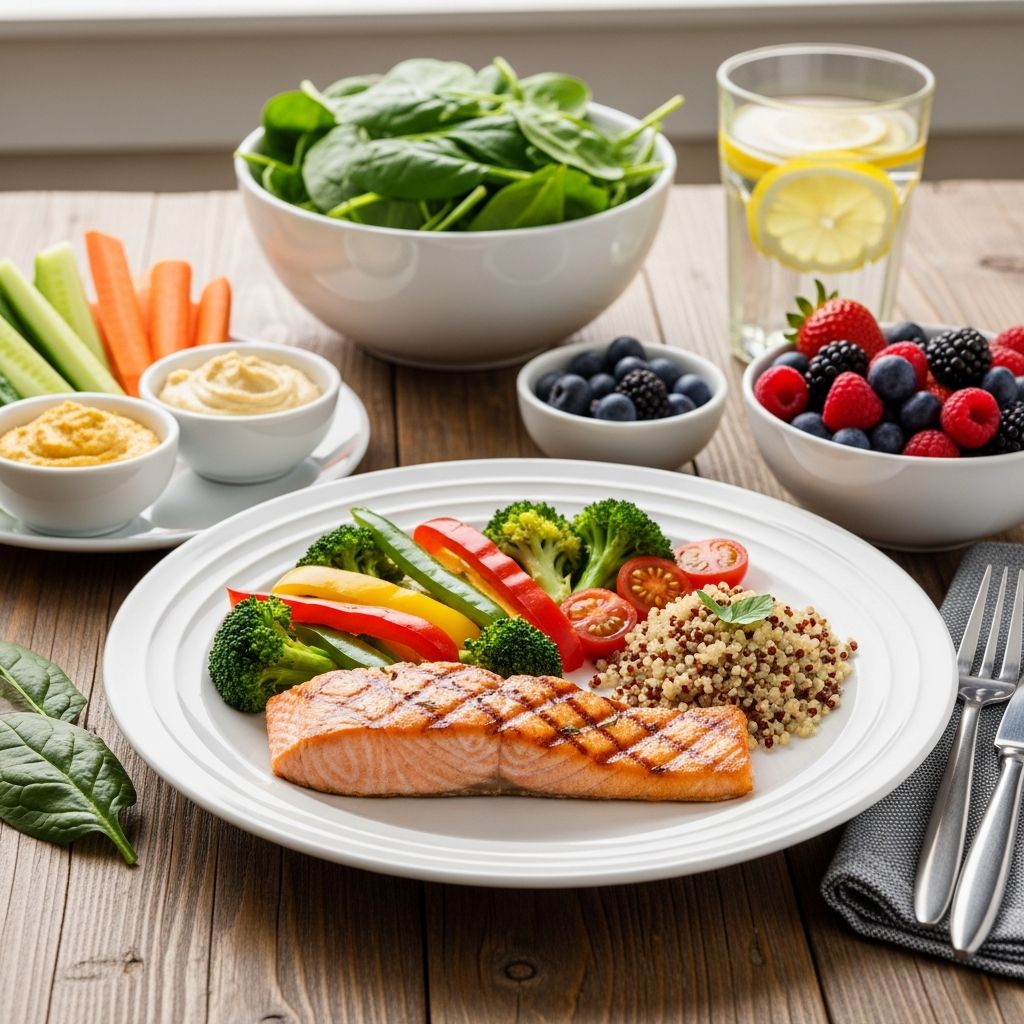
The diabetes plate method is an easy visual tool for portion control without counting calories or carbs precisely. Divide a 9-inch plate as follows:
- Half the plate (50%): Non-starchy vegetables for fiber and volume without many carbs.
- One-quarter (25%): Lean proteins to promote satiety and steady energy.
- One-quarter (25%): Quality carbohydrates like whole grains or starchy veggies.
Add a small serving of low-fat dairy or fruit on the side, and pair with water or zero-calorie drinks. This method aligns with ADA recommendations and helps maintain balanced meals. For example, a dinner plate might feature grilled chicken, quinoa, and a large salad—keeping blood sugar stable.
1. Non-Starchy Vegetables: Your Free Foods
Non-starchy vegetables are the cornerstone of a diabetes diet because they’re low in calories and carbohydrates, high in fiber, vitamins, and minerals. You can eat them freely without worrying about blood sugar impact—hence the term “free foods”.
Fill half your plate with these nutrient powerhouses to add bulk, flavor, and satisfaction to meals. They slow digestion, helping regulate glucose absorption.
- Leafy greens: Spinach, kale, collard greens, lettuce, watercress, rocket.
- Cruciferous: Broccoli, cauliflower, cabbage, Brussels sprouts.
- Others: Asparagus, green beans, zucchini, cucumbers, celery, bell peppers, mushrooms, tomatoes, eggplant.
- Root veggies (in moderation): Carrots, radishes.
Tips for incorporation:
- Snack raw: Carrot sticks, cucumber slices, celery with a bit of nut butter.
- Steam or roast: Broccoli with herbs, zucchini noodles.
- Fresh, frozen, or canned (low-sodium): All retain nutrition.
Research from the CDC emphasizes more non-starchy veggies to cut added sugars and refined grains. Aim for 5+ servings daily; they’re linked to lower type 2 diabetes risk.
2. Quality Carbohydrates: Choose Wisely
Not all carbs are equal. Focus on quality carbs with fiber, which release glucose slowly (low glycemic index or GI), preventing blood sugar spikes. Limit refined carbs like white bread, sugary cereals, and juices.
| Category | Diabetes-Friendly Examples | Portion Tips |
|---|---|---|
| Fruits | Berries (strawberries, blueberries), apples, grapes, citrus; whole fruit only—no juice or dried | 1 small piece or 1 cup berries |
| Starchy Veggies | Sweet potatoes, corn, peas, winter squash | ½ cup cooked |
| Whole Grains | Oats, quinoa, brown rice, bulgur, barley, whole-wheat pasta, whole-grain bread | 1 slice bread or ⅓ cup cooked grains |
| Legumes | Beans, lentils, chickpeas, split peas | ½ cup cooked (counts as both carb + protein) |
Related Stories



Choose higher-fiber options: Look for 3g+ fiber per serving on labels. Basmati rice, quinoa, and oats have low GI, aiding glucose control. The ADA recommends these for steady energy.
3. Lean Proteins: Build and Balance
Proteins are vital for muscle repair, metabolism, and stabilizing blood sugar when paired with carbs. Opt for lean, heart-healthy sources to minimize saturated fat. Plant-based options work well for vegetarians.
- Seafood: Fatty fish like salmon, mackerel (omega-3 rich), tuna, shellfish.
- Poultry: Skinless chicken, turkey.
- Lean meats: Grass-fed beef, pork loin (trimmed).
- Eggs: Whole eggs or whites.
- Plant proteins: Beans, lentils, tofu, unsalted nuts, seeds.
Sample serves: 100g fish, 80g poultry, 2 eggs, or 1 cup legumes. Pair protein with veggies and carbs for balanced meals, e.g., grilled salmon with quinoa and spinach. Oily fish weekly supports heart health, crucial for diabetes.
4. Healthy Fats: In Moderation
Fats don’t directly raise blood sugar but provide energy and aid nutrient absorption. Choose unsaturated fats over saturated to protect your heart.
- Avocados, olive oil, canola oil, nuts (almonds, walnuts), seeds (chia, flax).
- Limit: Butter, full-fat dairy, fried foods, palm/coconut oil.
Use oils for cooking; add nuts to yogurt. Heart-healthy fats like those in salmon reduce risks.
5. Low-Fat Dairy: Nutrient Boost
Dairy counts as carbs (milk/yogurt) or fat/protein (cheese). Choose low-fat, unsweetened varieties linked to lower diabetes risk.
- Plain Greek yogurt with berries and nuts.
- Low-fat milk, cottage cheese.
- Strong cheeses: Feta, Parmesan (small amounts for flavor).
Greek yogurt offers protein; fermented dairy benefits gut health.
6. Calorie-Free Beverages: Stay Hydrated
Hydration is key—stick to zero-calorie drinks to avoid hidden sugars.
- Water, sparkling water, unsweetened tea/coffee.
- Diet sodas, sugar-free flavorings in moderation.
- Avoid: Sugary drinks, juices, smoothies.
Unsweetened tea/coffee may lower risk.
Sample Diabetes-Friendly Meal Plan
| Meal | Ideas |
|---|---|
| Breakfast | Greek yogurt with berries, almonds; veggie omelet. |
| Lunch | Grilled chicken salad with vinaigrette, whole-grain roll. |
| Dinner | Baked salmon, quinoa, steamed broccoli. |
| Snacks | Apple with peanut butter, carrot sticks, handful nuts. |
This plan follows plate method, emphasizing variety.
Frequently Asked Questions (FAQs)
Can I eat fruit with diabetes?
Yes, whole fruits like berries and apples in moderation; avoid juices.
How much protein do I need daily?
2-3 small serves: e.g., 65g lean meat or 1 cup legumes.
Are low-fat dairy products best?
Unsweetened options, fat level less critical than no added sugar.
What are low-GI carbs?
Foods like oats, legumes, most fruits that raise blood sugar slowly.
Can I drink diet soda?
In moderation as a zero-calorie option; water is ideal.
Consult a dietitian for personalized advice. These basics, from ADA and CDC, empower sustainable management.
References
- Back to Diabetes Food Basics — ADW Diabetes. 2023. https://www.adwdiabetes.com/articles/back-to-diabetes-food-basics
- Tips for Eating Well – American Diabetes Association — American Diabetes Association. 2025-01-15. https://diabetes.org/food-nutrition/eating-healthy
- 10 Tips for Healthy Eating if You Are at Risk of Type 2 Diabetes — Diabetes UK. 2024-06-10. https://www.diabetes.org.uk/about-diabetes/type-2-diabetes/preventing/ten-tips-for-healthy-eating
- Diabetes and Healthy Eating — Better Health Channel (Victoria.gov.au). 2024. https://www.betterhealth.vic.gov.au/health/conditionsandtreatments/diabetes-and-healthy-eating
- Diabetes Meal Planning — Centers for Disease Control and Prevention (CDC). 2025-03-20. https://www.cdc.gov/diabetes/healthy-eating/diabetes-meal-planning.html
- Eating Well with Diabetes and Carbohydrate Basics — Kaiser Permanente. 2023. https://mydoctor.kaiserpermanente.org/mas/Images/(915800124)_tcm88-909655.pdf
Similar Articles








Read full bio of medha deb