What to Know About High-Protein Products
Discover the benefits, risks, and smart choices for high-protein foods, shakes, and bars to optimize your diet safely.
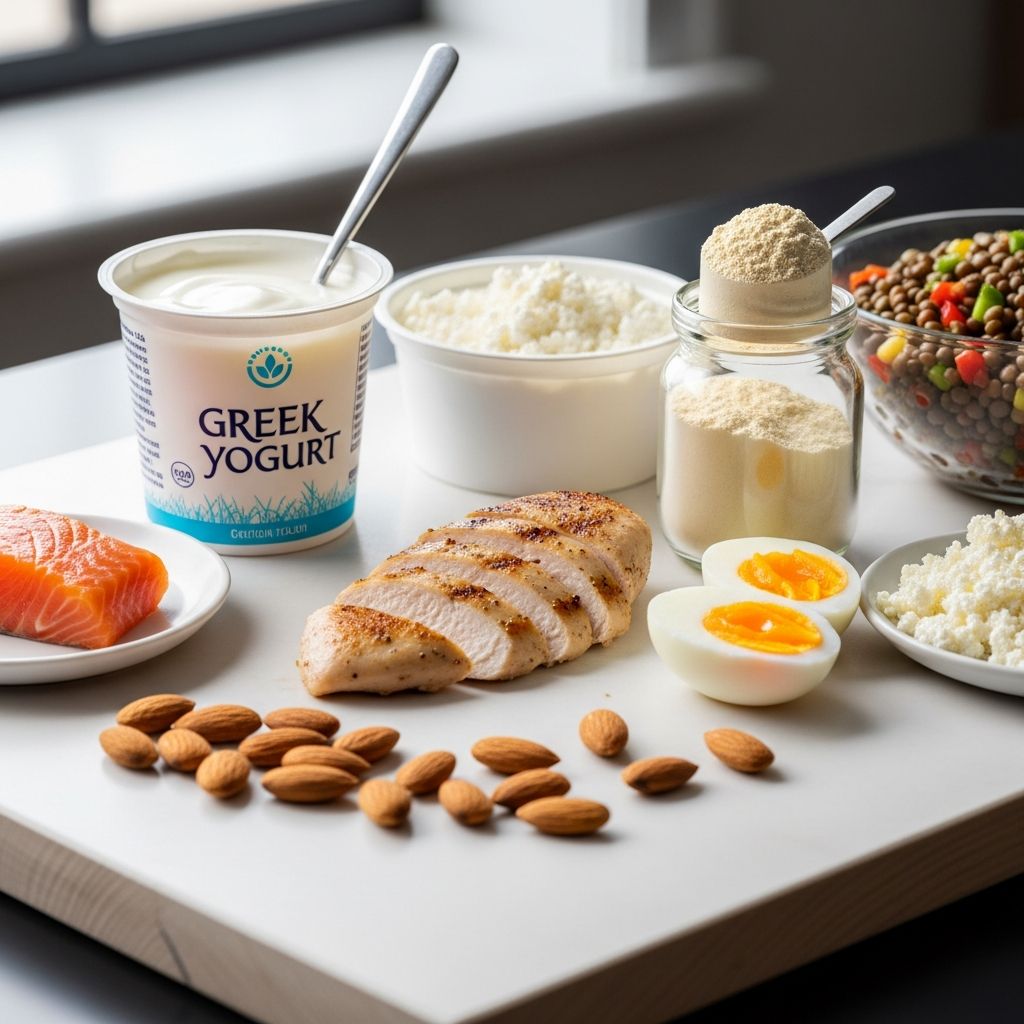
High-protein products have exploded in popularity, lining grocery store shelves and gym vending machines alike. From powders and shakes to bars, yogurts, and even chips, these convenient foods promise everything from muscle growth and weight loss to sustained energy throughout the day. But with so many options—and bold marketing claims—how do you know which products deliver real benefits without unnecessary additives or excessive costs?
According to the 2020-2025 Dietary Guidelines for Americans, adults should aim for 10-35% of daily calories from protein, or about 46-56 grams per day depending on age, sex, and activity level. Athletes and those building muscle may need 1.2-2.0 grams per kilogram of body weight. High-protein products can help meet these goals, especially for busy people, but they’re not magic bullets. This comprehensive guide breaks down the science, benefits, risks, and smart ways to incorporate them into your diet.
What Counts as a High-Protein Product?
Generally, a high-protein product provides at least 20 grams of protein per serving with a favorable protein-to-calorie ratio. The best options prioritize complete proteins (containing all nine essential amino acids) from high-quality sources like whey, casein, egg, soy, pea, or hemp. Look for products where protein grams exceed total carbs and fats combined for optimal macros.
- Protein Powders: Whey isolate (fast-digesting, 90%+ protein), plant-based blends
- Ready-to-Drink Shakes: Convenient, fortified with vitamins
- Protein Bars: 15-30g protein, watch for added sugars
- Greek Yogurt & Cottage Cheese: Natural whole-food options
- Jerky & Meat Sticks: Portable, savory choices
Pro tip: Check the Protein Digestibility Corrected Amino Acid Score (PDCAAS), where scores closer to 1.0 indicate better absorption. Whey scores 1.0; many plant proteins score 0.8-0.9 when blended.
Benefits of High-Protein Products
Muscle Growth and Repair
Protein provides amino acids essential for muscle protein synthesis (MPS). A landmark meta-analysis in the British Journal of Sports Medicine found that 1.6g/kg body weight maximizes strength gains in resistance-trained individuals. Post-workout shakes spike MPS by 20-30% more than carbs alone, per research from McMaster University.
Weight Management
Protein increases satiety hormones like PYY and GLP-1 while reducing hunger hormone ghrelin. A 2023 randomized controlled trial in Obesity Reviews showed high-protein diets (25-30% calories) led to 1-2kg more fat loss than standard diets over 12 weeks, preserving lean mass.
Blood Sugar Control
Slow-digesting proteins blunt glucose spikes. The American Diabetes Association recommends pairing carbs with 15-30g protein for better glycemic control.
Bone Health and Aging
Older adults need 1.2g/kg+ to combat sarcopenia. A 2021 study in JAMA Internal Medicine linked higher protein to better physical function in seniors.
Potential Downsides and Risks
While beneficial in moderation, over-reliance on processed high-protein products carries risks:
- Kidney Strain: Healthy kidneys handle 2.0g/kg+ fine, but those with CKD should limit to 0.8g/kg per National Kidney Foundation guidelines.
- Nutrient Gaps: Bars often exceed 10g added sugar; powders lack fiber/vitamins of whole foods.
- Digestive Issues: Whey can cause bloating in lactose-intolerant (use isolate); sugar alcohols in bars trigger GI distress.
- Heavy Metals: 2024 Consumer Reports testing found lead/arsenic in 15% of powders—choose NSF Certified for Sport.
- Cost: $2-4 per 25g serving vs. $0.50 for eggs/Greek yogurt.
Related Stories



How to Choose the Best High-Protein Products
| Category | Top Picks | Protein/Serving | Key Features |
|---|---|---|---|
| Powder | Optimum Nutrition Gold Standard Whey | 24g | Low carb (3g), NSF certified |
| Powder | Orgain Organic Plant | 21g | Vegan, USDA organic |
| Shake | Premier Protein | 30g | 1g sugar, 160 cal |
| Bar | Quest Nutrition | 20g | 4g net carbs |
| Bar | RXBar | 12g | Simple ingredients |
| Yogurt | Chobani Greek | 15g | Probiotics, low sugar |
Red Flags to Avoid:
- >10g added sugar
- >5g saturated fat
- Artificial sweeteners as first ingredient
- Proprietary blends hiding amounts
- Missing third-party testing seals
High-Protein Product Recommendations by Goal
Muscle Building
Post-workout: Whey isolate + creatine (5g). Timing matters—consume within 30-60 min post-exercise for 25% greater MPS.
Weight Loss
Meal replacement shakes (30g+ protein, <250 cal). Pair with veggies for volume.
Vegan/Vegetarian
Blends: Pea + rice = complete profile. Fortified with B12, iron.
On-the-Go
RTD shakes > bars (fewer preservatives). Jerky for savory crunch.
Sample High-Protein Meal Plan (1,800 cal, 150g protein)
- Breakfast: Greek yogurt parfait (30g prot) + berries
- Snack: Protein shake (25g)
- Lunch: Turkey wrap w/ Quest tortilla (35g)
- Snack: Cottage cheese + almonds (25g)
- Dinner: Salmon (30g) + quinoa + broccoli
- Post-Workout: Whey shake (25g)
Frequently Asked Questions (FAQs)
Can you have too much protein?
Yes—over 2.5g/kg long-term offers no extra benefit and may stress kidneys in at-risk individuals. Whole foods preferred over supplements.
Are plant proteins as good as whey?
Blends match whey for MPS when total leucine hits 2-3g/serving. Vegans: aim 20-30% higher intake for equivalent absorption.
Do I need protein powder if I eat meat?
Not necessarily—convenient for hitting 1.6g+/kg. Prioritize food first; use powders for gaps.
What’s better: bars or shakes?
Shakes for purity/lower calories; bars for portability. Alternate to avoid boredom/additives.
Is protein timing important?
Moderately—post-workout window helps, but total daily intake matters 80%. Spread across 4-5 meals.
Expert Takeaways
“High-protein products are tools, not replacements for whole foods. Focus on quality sources, third-party testing, and balanced macros. Track how your body responds—energy, digestion, results.” — Registered Dietitian Nutritionist, Sports & Wellness Specialist
In summary, high-protein products can supercharge your nutrition when chosen wisely. Prioritize minimally processed options, verify certifications, and balance with fruits, veggies, and whole grains. Track intake via apps like MyFitnessPal to stay within evidence-based ranges. Your muscles, waistline, and wallet will thank you.
References
- 2020-2025 Dietary Guidelines for Americans — U.S. Department of Agriculture and HHS. 2020-12-01. https://www.dietaryguidelines.gov
- Protein for muscle growth meta-analysis — Morton RW et al., British Journal of Sports Medicine. 2018-02-05. https://bjsm.bmj.com/content/52/6/376
- High-protein diets for weight loss — Moon J, Koh G., Obesity Reviews. 2023-01-12. https://doi.org/10.1111/obr.13512
- Protein and physical function in older adults — Gregorio MJ et al., JAMA Internal Medicine. 2021-02-01. https://pubmed.ncbi.nlm.nih.gov/33487301/
- National Kidney Foundation Protein Guidelines — National Kidney Foundation. 2024-05-15. https://www.kidney.org/atoz/content/protein-and-ckd
- Consumer Reports Protein Powder Testing — Consumer Reports. 2024-11-20. https://www.consumerreports.org/dietary-supplements/protein-drinks/
Similar Articles








Read full bio of medha deb