Hormone Therapy: What You Need To Know In 2025
Hormone therapy relieves menopause symptoms like hot flashes but requires weighing benefits against risks. Learn types, benefits, and guidelines.
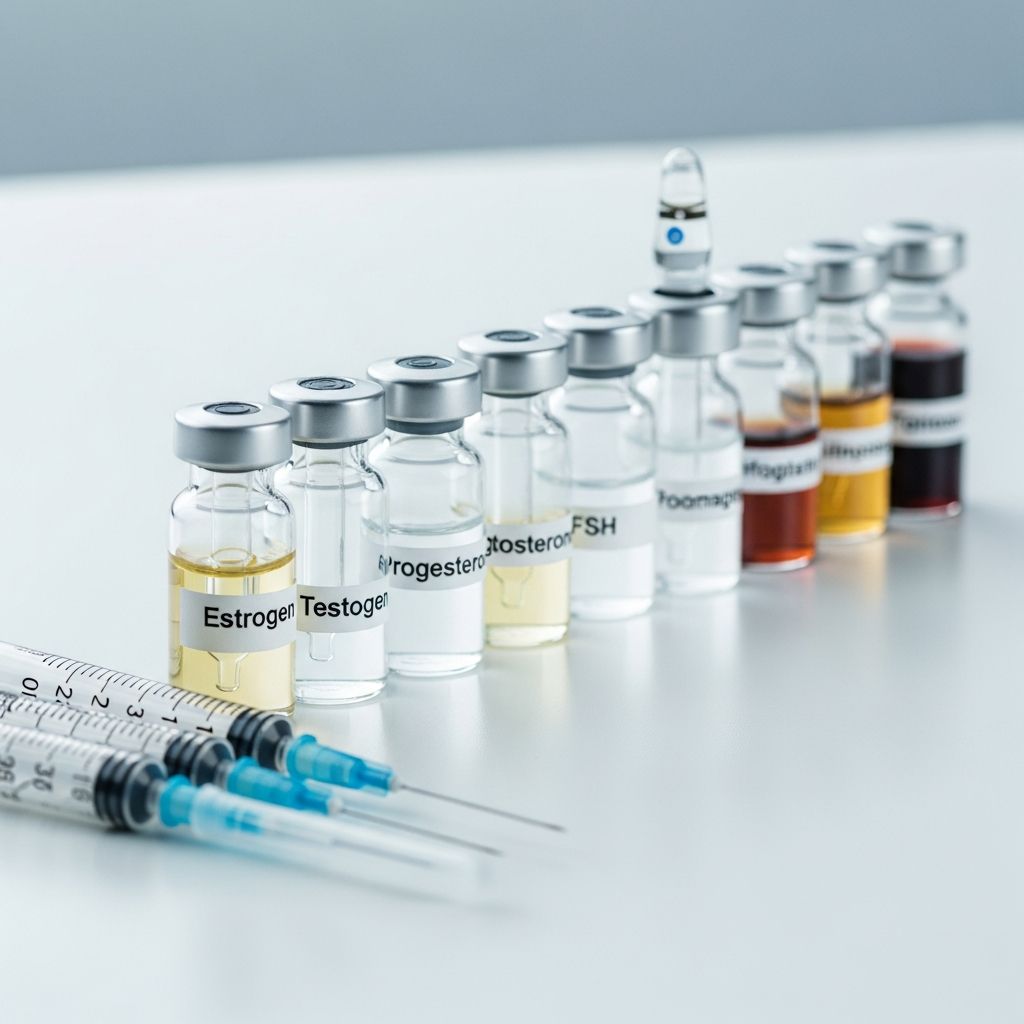
Hormone therapy, also known as menopausal hormone therapy (MHT) or hormone replacement therapy (HRT), replenishes declining estrogen and progesterone levels during menopause to alleviate symptoms like hot flashes, night sweats, and vaginal dryness. It is FDA-approved primarily for moderate-to-severe vasomotor symptoms and osteoporosis prevention in postmenopausal women.
What Is Hormone Therapy?
Hormone therapy involves medications containing estrogen, often combined with progesterone (progestin for women with a uterus), to mimic ovarian hormones diminished during the menopausal transition. As ovaries produce less estrogen and progesterone, women experience symptoms including hot flashes, sleep disturbances, and bone loss. Traditional HRT combines these hormones, while estrogen-only therapy suits women post-hysterectomy.
The therapy affects the hypothalamus via the neurokinin B signaling pathway, regulating body temperature and reducing vasomotor symptoms. Recent FDA updates removed misleading boxed warnings from older studies like the Women’s Health Initiative (WHI), which used outdated formulations on older women, clarifying risks when started within 10 years of menopause onset (before age 60).
Types of Hormone Therapy
Hormone therapy comes in systemic and local forms, with various administration methods and hormone types.
Systemic vs. Local
- Systemic therapy: Absorbed throughout the body via pills, patches, gels, sprays, or rings; higher estrogen doses treat multiple symptoms like hot flashes and bone loss.
- Local (vaginal) therapy: Low-dose creams, tablets, or rings target vaginal and urinary symptoms with minimal systemic absorption.
Hormone Types and Delivery
| Type | Examples | Uses |
|---|---|---|
| Estrogen-only | Conjugated equine estrogen (CEE), estradiol (oral, transdermal) | For hysterectomized women; reduces breast cancer risk by 23% per WHI follow-up. |
| Estrogen + Progestin | CEE + medroxyprogesterone, estradiol + micronized progesterone | Protects uterine lining; for women with uterus. |
| Delivery Methods | Pills (oral), patches (transdermal), gels, sprays, vaginal rings/creams | Transdermal/vaginal lower clot risk vs. oral. |
Low-dose transdermal estradiol with micronized progesterone shows favorable safety profiles.
Benefits of Hormone Therapy
HRT effectively treats moderate-to-severe vasomotor symptoms (hot flashes, night sweats), the primary FDA-approved indication. The Postmenopausal Estrogen/Progestin Interventions trial confirmed rapid symptom relief.
- Symptom relief: Reduces hot flashes, night sweats, sleep issues, vaginal dryness.
- Bone health: Prevents osteoporosis; reduces fractures by 50-60% when started early.
- Cardiovascular and other: Up to 50% lower cardiovascular disease risk, 35% reduced Alzheimer’s if initiated within 10 years of menopause.
- Mortality reduction: Lower all-cause mortality and fractures in women under 60.
- Estrogen-only benefits: 23% breast cancer reduction, 40% lower breast cancer deaths per WHI 20-year follow-up.
For vaginal symptoms, low-dose products suffice without systemic effects.
Risks and Side Effects of Hormone Therapy
While benefits are clear for symptom relief, RCTs like WHI highlight risks, especially with long-term use or in older women.
- Breast cancer: Combined therapy linked to 5 excess cases per 1,000 women; estrogen-only reduces risk.
- Cardiovascular: Oral forms increase clots; transdermal safer. Greater harms in women over 60.
- Endometrial cancer: Estrogen-only raises risk without progestin.
- Other: Stroke, gallbladder disease; harms outweigh benefits for chronic disease prevention.
USPSTF advises against primary prevention due to net harm. Risks are lower with short-term use (<5 years), low doses, non-oral routes.
Related Stories



Who Should Consider Hormone Therapy?
Ideal candidates: Women within 10 years of menopause (under 60) with bothersome vasomotor symptoms not relieved by lifestyle changes. Not for chronic disease prevention or those with breast cancer history, clots, liver disease.
Shared decision-making is key: Discuss personal risks, family history, preferences. Mayo Clinic emphasizes individual assessment post-WHI clarifications.
How to Start Hormone Therapy
Begin with lowest effective dose for shortest duration. Monitor annually; reassess at age 65.
- Medical history review: Screen for contraindications.
- Baseline tests: Mammogram, lipids, blood pressure.
- Trial systemic therapy for vasomotor symptoms; switch to vaginal if genitourinary only.
- Follow-up: Symptom tracking, side effect monitoring.
FDA recommends starting before 60 or within 10 years of onset.
Hormone Therapy Dosages
Dosages vary by type; always lowest effective.
| Form | Typical Dose | Notes |
|---|---|---|
| Oral CEE | 0.3-0.625 mg/day | Combined with 1.5-2.5 mg MPA if uterus intact. |
| Transdermal Estradiol | 0.025-0.1 mg patch | Weekly/biweekly; lower clot risk. |
| Vaginal Estrogen | 10 mcg twice weekly tablet | Minimal absorption. |
Alternatives to Hormone Therapy
Non-hormonal options for mild symptoms:
- Fezolinetant (non-hormonal for hot flashes).
- Lifestyle: Exercise, weight management, layered clothing, cool environment.
- Other meds: SSRIs (paroxetine), gabapentin, oxybutynin for vasomotor symptoms.
- For vaginal symptoms: Moisturizers, lubricants, ospemifene.
Cognitive behavioral therapy aids sleep and mood.
What the Research Says
WHI (1993-1998): Initial fears from older women on CEE/MPA led to usage drop and breast cancer decline, but clarifications show benefits for younger women. 2020 WHI follow-up: Estrogen-only protective for breast cancer.
Menopause Society 2022: Low-dose non-oral preferred; continue beyond 65 if benefits outweigh risks. USPSTF: Effective for symptoms but not prevention. Observational studies overestimated benefits due to healthier users.
Frequently Asked Questions (FAQs)
Is hormone therapy safe?
Yes for short-term use in women under 60 with symptoms; risks low with proper selection. FDA removed misleading warnings.
Does hormone therapy cause breast cancer?
Combined may slightly increase risk; estrogen-only decreases it. Individualize based on WHI data.
How long should you take hormone therapy?
Shortest duration for symptoms; reassess yearly. Many continue low-dose long-term if beneficial.
Can you take hormone therapy after 60?
Possible for ongoing symptoms with lower doses/non-oral; weigh risks.
What’s the best type of hormone therapy?
Transdermal estradiol + micronized progesterone often safest; personalize.
Bottom Line
Hormone therapy remains first-line for severe menopausal symptoms when started early, offering relief and protective effects against fractures and mortality. Consult providers for tailored plans balancing latest evidence.
References
- HHS Advances Women’s Health, Removes Misleading FDA Warnings on Hormone Replacement Therapy — U.S. Food and Drug Administration. 2024-10-03. https://www.fda.gov/news-events/press-announcements/hhs-advances-womens-health-removes-misleading-fda-warnings-hormone-replacement-therapy
- Menopausal Hormone Therapy: Limited Benefits, Significant Harms — American Academy of Family Physicians. 2025-07-00. https://www.aafp.org/pubs/afp/issues/2025/0700/editorials-menopausal-hormone-therapy.html
- Hormone Replacement Therapy — National Center for Biotechnology Information (NCBI), StatPearls. 2023 (updated). https://www.ncbi.nlm.nih.gov/books/NBK493191/
- Menopause hormone therapy: Is it right for you? — Mayo Clinic. 2023 (ongoing updates). https://www.mayoclinic.org/diseases-conditions/menopause/in-depth/hormone-therapy/art-20046372
- Updated Labeling for Menopausal Hormone Therapy — JAMA Network. 2024. https://jamanetwork.com/journals/jama/fullarticle/2841321
Similar Articles








Read full bio of Sneha Tete