What to Know Before Getting a Prosthetic Leg
Complete guide to prosthetic leg options, preparation, and life after amputation.
Losing a leg is a life-changing event that requires significant physical, emotional, and practical adjustments. Whether your amputation resulted from diabetes, trauma, vascular disease, or another condition, a prosthetic leg can help restore mobility and independence. However, the process of selecting, fitting, and adapting to a prosthetic limb involves numerous decisions and considerations. Understanding what lies ahead can help you prepare mentally and physically for this important transition and make informed choices about your treatment options.
Understanding Prosthetic Leg Types and Technology
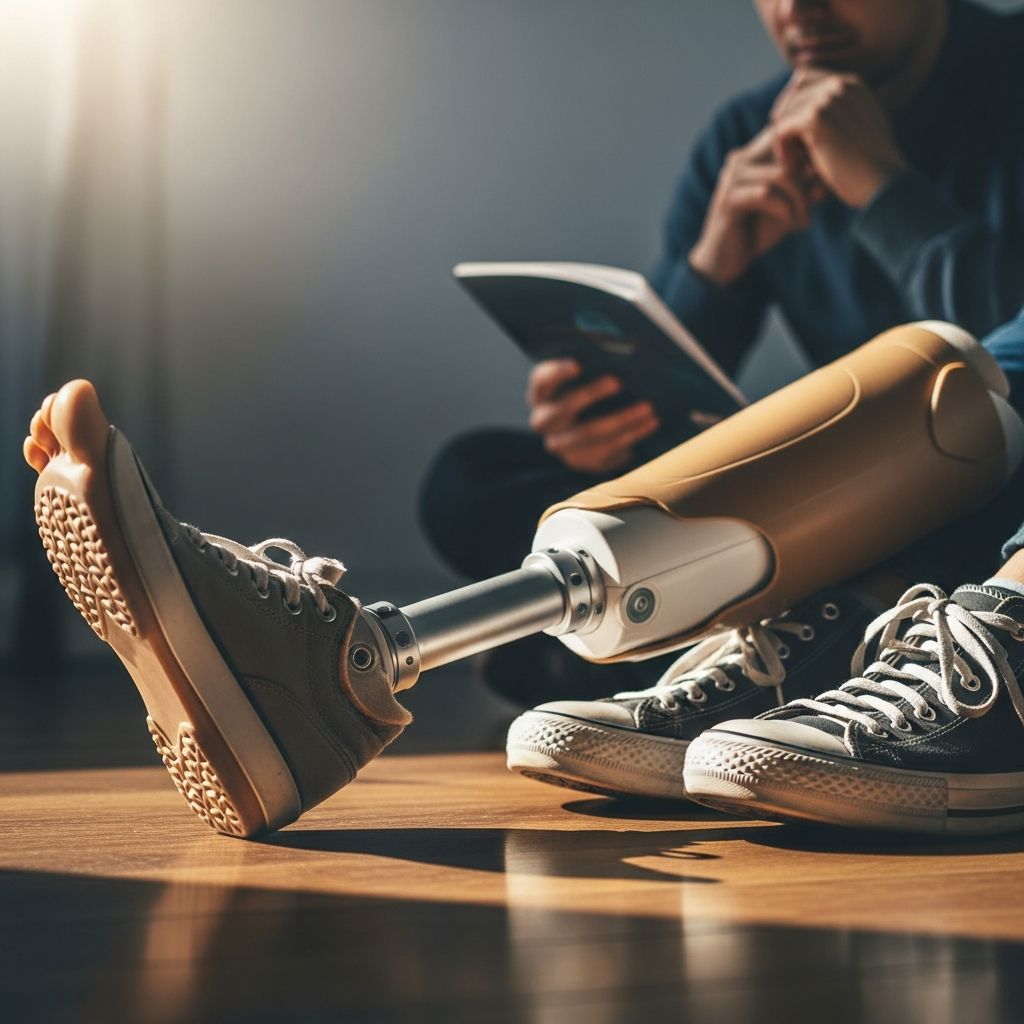
Modern prosthetic legs come in various styles, each designed for different activity levels and functional needs. The type of prosthetic that best suits your situation depends on factors including your age, overall health, activity level, and the level of your amputation.
Passive Prosthetics
Passive prosthetic legs provide basic function and stability for individuals with limited mobility or lower activity levels. These prosthetics are typically lighter in weight and require less maintenance than more advanced options. They are often recommended for older adults or individuals with significant health conditions that limit their ability to participate in high-impact activities.
Microprocessor-Controlled Knees
Microprocessor-controlled knee joints represent significant technological advancement in prosthetics. These devices use sensors and computer algorithms to continuously adjust resistance and stance characteristics based on your walking speed and terrain. Benefits include improved stability, reduced falls, and more natural walking patterns. However, these prosthetics are more expensive and require battery charging.
Powered Prosthetics
Powered prosthetic legs incorporate motors and batteries to actively assist movement, particularly during stair climbing and hill navigation. While offering exceptional functionality for active individuals, powered prosthetics require regular maintenance, battery management, and significant financial investment.
Advanced Socket Technologies
Recent innovations in prosthetic socket design have dramatically improved comfort and functionality. Custom-molded sockets created using 3D scanning and printing technology provide superior fit compared to traditional manual fitting methods. Some facilities now offer osseointegration procedures, where a titanium implant is surgically placed into the bone, allowing direct attachment of the prosthetic without a socket interface and providing significantly improved control and comfort.
The Prosthetic Fitting Process
Obtaining a prosthetic leg is not a one-time event but rather a process involving multiple stages and adjustments. Understanding this timeline helps set realistic expectations for your rehabilitation journey.
Initial Assessment and Evaluation
Before receiving a prosthetic, your healthcare team will conduct comprehensive medical and functional assessments. This includes evaluating your cardiovascular health, range of motion, strength in your remaining limb, balance and coordination, and overall medical condition. These evaluations ensure you are physically ready for prosthetic training and help determine which prosthetic options are most suitable for your situation.
Wound Healing and Residual Limb Conditioning
If your amputation is recent, your residual limb must fully heal before prosthetic fitting can begin. This typically requires several weeks to months. During this time, your residual limb will naturally change shape and volume as swelling decreases and tissues stabilize. Gentle exercises, massage, and proper wrapping help condition your residual limb and prepare it for prosthetic use.
Related Stories



Socket Fitting and Alignment
Once your residual limb is ready, a prosthetist will create a custom socket designed to fit your unique anatomy. Traditional sockets are hand-crafted through a casting process, while newer facilities may use computer-assisted design and 3D printing for enhanced precision. The socket must fit securely without causing pressure points, pain, or excessive movement. Multiple adjustments are typically necessary to achieve optimal fit and comfort.
Component Selection
Your prosthetist will help select appropriate ankle-foot and knee components based on your functional goals, activity level, and lifestyle requirements. This selection process should involve detailed discussion about your daily activities, work requirements, recreational interests, and personal preferences.
Rehabilitation and Training
Successful prosthetic use requires dedicated rehabilitation and training. This process typically spans several months and involves working with physical therapists specializing in prosthetic rehabilitation.
Initial Gait Training
Physical therapists teach proper techniques for walking with your prosthetic, beginning with balance exercises and standing activities in a safe environment. Initial training emphasizes weight shifting, balance control, and developing confidence with your new limb. Many facilities use parallel bars or specialized equipment during early training sessions.
Progressive Activity Advancement
As your confidence and strength improve, training progresses to level walking, stairs, uneven terrain, and eventually community ambulation. The pace of progression varies significantly based on individual factors including your overall fitness level, motivation, prior activity level, and any complications.
Functional Activities Training
Rehabilitation extends beyond basic walking to include training in activities essential for daily living, such as getting in and out of vehicles, navigating bathrooms, managing stairs in your home, and returning to work or recreational activities. Therapists may visit your home to address specific environmental challenges and help you adapt your living space if necessary.
Physical Preparation and Conditioning
Physical preparation significantly impacts your success with prosthetic use. Begin conditioning well before prosthetic fitting if possible, and continue throughout rehabilitation.
Cardiovascular Fitness
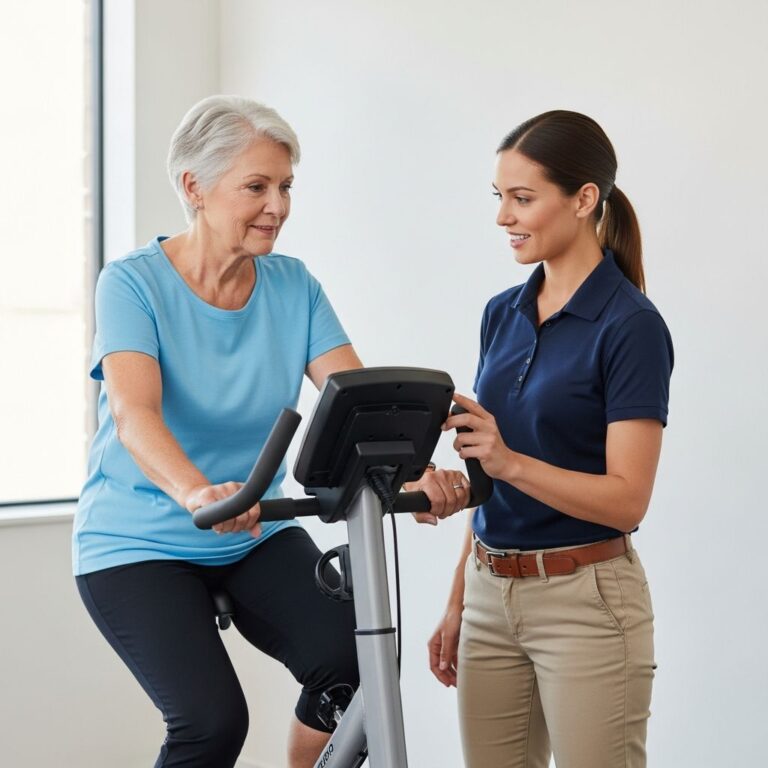
Walking with a prosthetic requires substantially more energy than walking without one. Cardiovascular conditioning before and during rehabilitation prepares your body for this increased demand. Your healthcare team can recommend appropriate exercises based on your current fitness level.
Strength Building
Strengthening your remaining leg, core muscles, and upper body improves balance, stability, and overall prosthetic use. Targeted exercises focusing on hip strength, abdominal muscles, and upper extremity power significantly enhance your functional outcomes.
Flexibility and Range of Motion
Maintaining and improving flexibility in your remaining leg and hip prevents muscle contractures and optimizes prosthetic fitting and function. Regular stretching and range-of-motion exercises should begin immediately after amputation and continue throughout rehabilitation.
Cost and Insurance Considerations
Prosthetic legs represent a significant financial investment. Understanding costs and insurance coverage helps you plan appropriately and identify financial resources.
Prosthetic Costs
Basic prosthetic legs typically cost between $5,000 and $15,000, though more advanced microprocessor-controlled or powered prosthetics can exceed $100,000. Costs vary based on the prosthetic type, components selected, custom modifications, and geographic location. Many patients require multiple prosthetics over time as their needs change or as technology advances.
Insurance Coverage
Most health insurance plans, including Medicare and Medicaid, cover prosthetic devices when medically necessary, though coverage limits and requirements vary. Private insurance typically covers basic prosthetics but may restrict access to advanced technologies. Verify your specific coverage by contacting your insurance provider directly and discussing coverage details with your prosthetist.
Financial Assistance Programs
Numerous organizations offer financial assistance for prosthetic costs. Nonprofit organizations, charitable foundations, and government programs may provide grants, loans, or donations to help offset prosthetic expenses. Your prosthetist or healthcare team can provide information about available resources.
Emotional and Psychological Adjustment
Amputation involves significant emotional adjustment beyond physical rehabilitation. Many individuals experience grief, depression, anxiety, or body image concerns. Acknowledging and addressing these emotional aspects of limb loss is essential for successful rehabilitation and long-term well-being.
Mental Health Support
Consider working with a mental health professional who has experience with individuals managing limb loss and disability. Therapy can help address emotional challenges, develop coping strategies, and adjust to your new physical identity.
Support Groups and Community
Connecting with others who have experienced amputation provides valuable perspective, practical advice, and emotional support. Many communities offer support groups for amputees, while online communities provide additional resources and connection regardless of geographic location.
Practical Tips for Prosthetic Success
- Start physical conditioning early, before prosthetic fitting when possible
- Maintain realistic expectations about timeline and functional outcomes
- Communicate openly with your prosthetist about comfort, fit, and functional concerns
- Attend all rehabilitation sessions and follow recommended home exercise programs
- Protect your remaining leg through proper skin care, regular medical checkups, and appropriate footwear
- Gradually increase activity levels under professional guidance
- Invest in proper prosthetic maintenance and care to extend device lifespan
- Explore adaptive equipment and modifications that enhance independence
Returning to Work and Recreation
Many individuals successfully return to work and recreational activities after prosthetic fitting and rehabilitation. The timeline varies based on your job requirements and activity choices, but most people can resume employment within 6 to 12 months of fitting. Discuss workplace accommodations and modifications with your employer and rehabilitation team. Many individuals return to sports and recreational activities including hiking, swimming, cycling, and recreational running with appropriate prosthetic components and training.
Common Challenges and Solutions
Socket Fit Problems
If you experience pain, pressure points, or skin irritation, report these issues immediately to your prosthetist. Most socket problems can be resolved through adjustments, padding modifications, or socket replacement. Do not attempt to self-treat socket problems as they can lead to serious skin breakdown.
Phantom Limb Sensation
Many amputees experience phantom limb pain or sensation. While often temporary and improving over time, persistent phantom pain should be discussed with your physician. Various treatment options including medication, desensitization therapy, and specialized rehabilitation can help manage this common condition.
Residual Limb Volume Changes
Your residual limb naturally changes shape and volume over time. Regular socket adjustments or replacement may be necessary. Schedule periodic assessments with your prosthetist to address fitting changes.
Long-Term Prosthetic Care and Maintenance
Proper prosthetic maintenance extends your device’s lifespan and ensures optimal function. Clean your prosthetic daily with mild soap and water, dry completely, and inspect for damage. Store your prosthetic in a cool, dry location away from direct heat or sunlight. Schedule regular maintenance appointments with your prosthetist for component inspection, alignment checks, and repairs as needed.
Technology and Innovation in Prosthetics
The prosthetic field continues advancing rapidly. Recent innovations including osseointegration procedures, improved microprocessor control, enhanced socket materials, and artificial intelligence-assisted fitting represent significant improvements in comfort and functionality. Stay informed about new technologies through your prosthetist, and discuss whether emerging options might benefit your situation.
Frequently Asked Questions
Q: How long after amputation can I get a prosthetic leg?
A: Generally, you must wait until your residual limb is fully healed, which typically requires 3 to 6 months after amputation. During this time, your limb volume stabilizes and initial swelling decreases. Your healthcare team will determine when you are medically ready for prosthetic fitting.
Q: Will I be able to walk normally with a prosthetic leg?
A: Most people can walk fairly normally with appropriate prosthetic training and components, though walking with a prosthetic typically requires more energy than walking without one. Your specific functional outcomes depend on your amputation level, overall health, age, motivation, and prosthetic components selected.
Q: How long does prosthetic rehabilitation typically take?
A: Most people require 3 to 6 months of rehabilitation to achieve basic prosthetic function, though many continue therapy longer to maximize capability. The timeline varies significantly based on individual factors including age, overall health, amputation level, and prior activity level.
Q: Can I sleep or shower wearing my prosthetic?
A: Most people remove their prosthetic for sleeping and showering. Removing your prosthetic allows skin rest, reduces pressure-related complications, and extends prosthetic lifespan. Your prosthetist can provide specific recommendations based on your prosthetic type.
Q: What should I do if my socket becomes uncomfortable?
A: Report any discomfort, pressure points, or pain to your prosthetist immediately. Small adjustments often resolve problems quickly. Do not attempt self-modifications, as improper adjustments can worsen fit and potentially damage your prosthetic.
Q: How often will I need to replace my prosthetic leg?
A: Prosthetic lifespan varies based on use, care, and activity level, typically ranging from 3 to 5 years. Components wear at different rates, and your prosthetist may recommend individual component replacement before complete prosthetic replacement becomes necessary.
References
- Titanium implant unlocks new levels of operability for prosthetic arm — Johns Hopkins University Hub. 2016-01-12. https://hub.jhu.edu/2016/01/12/prosthetic-limb-more-mobility-apl/
- Physical Activity and Prosthetic Use — American Psychological Association. 2024. https://www.apa.org/
- Prosthetic and Orthotic Devices — U.S. Food and Drug Administration. 2024-11-15. https://www.fda.gov/
- Rehabilitation After Amputation — National Institutes of Health. 2024. https://www.nih.gov/
- Insurance Coverage for Prosthetic Devices — Centers for Medicare & Medicaid Services. 2024-10-01. https://www.cms.gov/
Similar Articles








Read full bio of medha deb