Creatine: What To Know Before Starting, Safe Dosing & Benefits
Creatine supplementation can boost workout performance and muscle growth, but understanding dosage, safety, and who should avoid it is essential for optimal results.
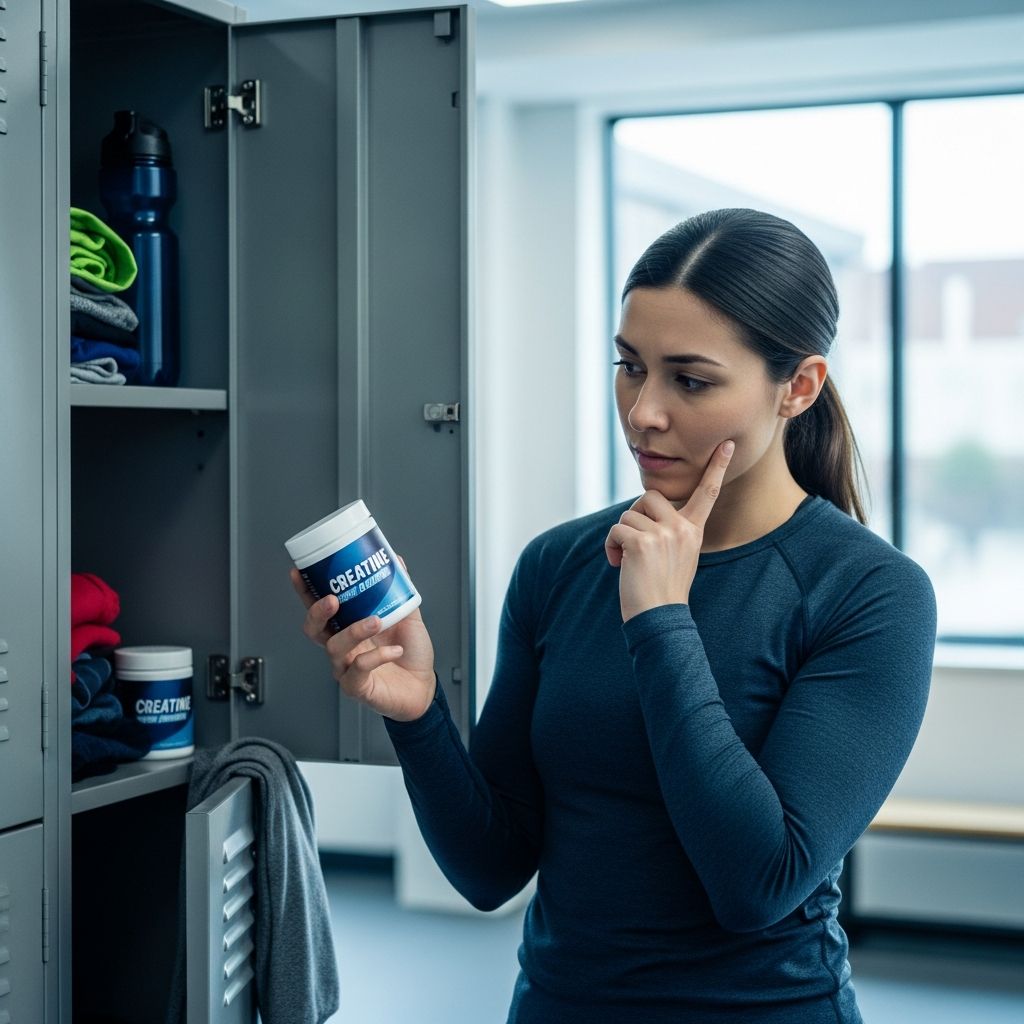
Creatine is one of the most researched and popular dietary supplements among athletes, bodybuilders, and fitness enthusiasts. Naturally found in foods like red meat and fish, creatine helps produce energy during high-intensity exercise, potentially enhancing strength, power, and muscle growth. But before adding it to your routine, it’s crucial to understand how it works, who can benefit, proper dosing protocols, and potential risks.
This guide covers everything from the science-backed benefits to safety considerations for specific populations, drawing from peer-reviewed studies and expert recommendations. Whether you’re a beginner or seasoned lifter, knowing the facts ensures you use creatine effectively and safely.
What Is Creatine?
Creatine is a compound made from three amino acids—arginine, glycine, and methionine—primarily stored in skeletal muscles and the brain. About 95% of the body’s creatine is in muscles, where it regenerates adenosine triphosphate (ATP), the primary energy currency for short, explosive activities like weightlifting or sprinting.
The body produces roughly 1 2 grams of creatine daily, with the rest coming from diet. Supplemental creatine, typically creatine monohydrate, increases muscle creatine stores by 20 340%, amplifying performance during repeated high-intensity efforts. According to the International Society of Sports Nutrition (ISSN), creatine monohydrate is the most effective and well-studied form.
- Natural sources: Beef (4 5g per kg), salmon (4.5g per kg), pork (5g per kg).
- Supplemental forms: Monohydrate (most common, cost-effective), micronized, ethyl ester, buffered—monohydrate outperforms others in research.
- Storage capacity: Muscles hold 120 140 mmol/kg dry weight when saturated.
Benefits of Creatine
Over 500 peer-reviewed studies support creatine’s ergogenic effects. It shines in resistance training and high-intensity sports by delaying fatigue and promoting recovery.
Muscle Growth and Strength Gains
Creatine draws water into muscle cells (cell volumization), signaling anabolic pathways like mTOR for protein synthesis. A 2022 meta-analysis in Nutrients found creatine users gained 1.37kg more lean mass than placebo groups over 4 12 weeks.
- Increased reps: 8 14% more in bench press and squats.
- Power output: Up to 15% boost in vertical jumps, cycling sprints.
- Long-term: 5 15% greater strength gains versus training alone.
Other Potential Benefits
- Brain health: Improves short-term memory and reasoning in vegetarians (low baseline creatine).
- Recovery: Reduces muscle damage markers post-exercise.
- Clinical uses: Aids Parkinson’s, muscular dystrophy; emerging for depression and concussion recovery.
How to Take Creatine
Two protocols exist: loading and maintenance. Consistency matters more than timing, though post-workout with carbs/protein may enhance uptake via insulin.
| Protocol | Dosage | Duration | Pros/Cons |
|---|---|---|---|
| Loading | 20g/day (4x5g) | 5 7 days | Fast saturation (+20 40%); GI upset risk. |
| Maintenance | 3 5g/day | Ongoing | Slower saturation (28 days); gentler on stomach. |
- Daily dose: 0.03g/kg bodyweight for maintenance (e.g., 2.1g for 70kg person).
- Cycling: Not necessary; long-term use (years) safe per ISSN.
- Mixing: With water, juice, or shakes; micronized dissolves best.
Is Creatine Safe?
Creatine has a stellar safety profile for healthy adults. Myths like kidney damage stem from early misuse or confusion with creatinine (a byproduct). A 2021 Journal of the International Society of Sports Nutrition position stand reviewed 1,000+ studies, concluding no adverse effects on kidney/liver function at recommended doses.
Related Stories



- Kidneys: Safe for healthy individuals; monitor if pre-existing issues.
- Dehydration: Drink extra water (3 4L/day); no heat illness increase.
- GI issues: Rare; split doses, use micronized form.
Who Should Not Take Creatine?
Not everyone needs or should use creatine. Consult a doctor if you have specific conditions.
- Kidney disease: Impaired creatinine clearance may worsen.
- Bipolar disorder: May trigger mania (case reports).
- Teens under 18: Limited data; natural testosterone/IGF-1 sufficient for growth.
- Pregnant/breastfeeding: Insufficient safety data; avoid.
- Medication interactions: NSAIDs, diuretics—potential strain.
Creatine for Women
Women have 70 80% lower baseline creatine than men due to less muscle mass/dietary intake. Benefits match men’s: strength gains without masculinization. A 2023 study in European Journal of Applied Physiology showed women gaining 10 20% more power.
- Dose: Same as men (3 5g); no loading needed.
- Myths: Won’t make you bulky—requires calorie surplus + training.
Creatine for Older Adults
Sarcopenia (age-related muscle loss) accelerates post-50. Creatine + resistance training preserves mass and bone density. A 2022 Medicine & Science in Sports & Exercise meta-analysis: older adults gained 1.2kg lean mass, improved chair-rise time.
- Dose: 3 5g/day + protein (1.6g/kg).
- Bonus: May enhance cognition, reduce fall risk.
Side Effects of Creatine
Most side effects are mild and dose-dependent.
- Water retention: 1 3kg initial gain (intramuscular, not bloat).
- Stomach cramps: 5 10% users; mitigate with split doses.
- Weight gain: Temporary; reflects muscle + water.
- Rare: Dizziness, nausea—usually from loading.
Creatine Myths Debunked
- ‘Causes hair loss’: One study linked to DHT increase; not replicated.
- ‘Shrinks when you stop’: Muscle loss only if training/diet stops.
- ‘Only for men/big guys’: Benefits all ages, genders, training levels.
- ‘Bad for heart’: No evidence; may improve cardiac output.
Frequently Asked Questions (FAQs)
Can I take creatine every day?
Yes, 3 5g daily is safe long-term. No need to cycle.
Does creatine cause bloating?
Initial water retention possible, but it’s intramuscular and temporary. Stay hydrated.
Is creatine safe for kidneys?
Yes for healthy adults; get clearance if you have kidney issues.
When is the best time to take creatine?
Anytime consistent; post-workout with carbs/protein optimal.
Do I need to load creatine?
Not necessary; 3 5g/day saturates muscles in 28 days.
A Word From Verywell / Expert Tips
Start with 3 5g creatine monohydrate daily, prioritize progressive training and protein (1.6 2.2g/kg), and track progress. Purity matters—choose third-party tested (NSF, Informed-Sport). Hydrate well and monitor for personal tolerance.
References
- International Society of Sports Nutrition position stand: safety and efficacy of creatine supplementation — Journal of the International Society of Sports Nutrition. 2017-08-08. https://jissn.biomedcentral.com/articles/10.1186/s12970-017-0173-z
- Creatine Supplementation for Muscle Growth: A Scoping Review — Nutrients. 2022-07-13. https://www.mdpi.com/2072-6643/14/14/2955
- Common questions and misconceptions about creatine supplementation — Journal of the International Society of Sports Nutrition. 2021-06-14. https://jissn.biomedcentral.com/articles/10.1186/s12970-021-00412-w
- Creatine Supplementation in Older Adults — Medicine & Science in Sports & Exercise. 2022-01-01. https://pubmed.ncbi.nlm.nih.gov/34818289/
- National Institutes of Health Dietary Supplement Fact Sheet: Creatine — NIH Office of Dietary Supplements. 2023-05-24. https://ods.od.nih.gov/factsheets/Creatine-HealthProfessional/
Similar Articles








Read full bio of Sneha Tete