Cottage Cheese: 5 Key Factors For Choosing The Best
Discover key factors to choose nutritious cottage cheese: protein power, low fat, minimal sodium, and smart shopping tips for health benefits.
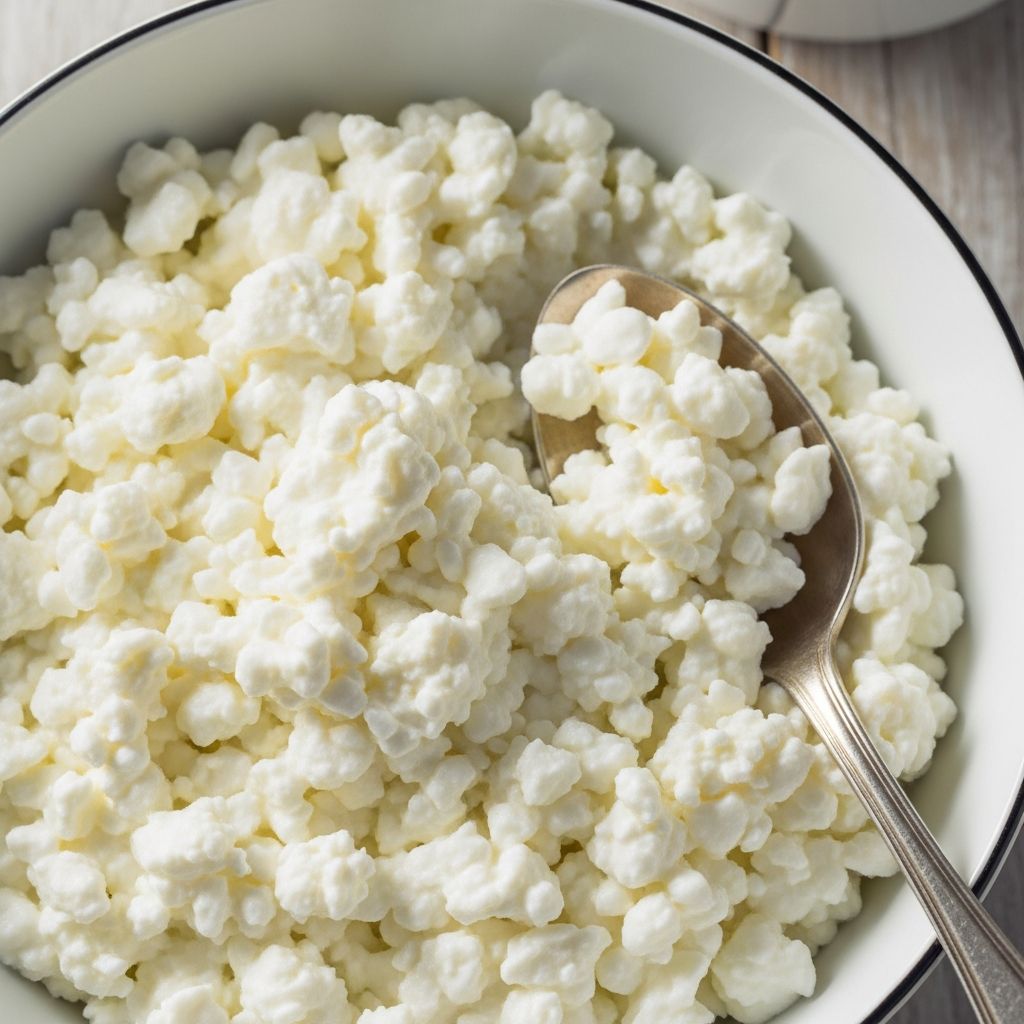
Cottage cheese is a versatile dairy product packed with protein and essential nutrients, making it an excellent choice for health-conscious eaters. Unlike harder cheeses, it offers 1.5 times more protein, less saturated fat, and five times more potassium per serving. A typical ½-cup serving of 2% fat cottage cheese provides about 85 calories, 11 grams of protein, and key minerals like calcium and phosphorus, supporting muscle repair, bone health, and overall wellness.
Nutrition Profile of Cottage Cheese
Cottage cheese stands out for its impressive nutrient density. A ½-cup serving of low-fat (2%) plain cottage cheese delivers approximately 85-90 calories, 4-5 grams of carbohydrates (primarily natural lactose with 0 grams added sugars), 11-12 grams of protein, and 2.5 grams of total fat, including 1.3 grams saturated fat. It also contains 18% of the daily value (DV) for sodium, 2% DV potassium, 8-10% DV calcium, plus phosphorus, magnesium, and vitamin B12.
Compared to other dairy options, cottage cheese excels in protein content—about 70% of its calories come from protein, with low carbs at just 8.3 grams per cup in 2% varieties. A full cup of 2% cottage cheese offers 194 calories, 26.7 grams protein, and 5.5 grams fat, making it ideal for satiety and muscle building. Unlike milk, it’s not typically fortified with vitamins A and D, but it remains rich in B12, selenium, and riboflavin.
| Nutrient (½-cup 2% Cottage Cheese) | Amount | % Daily Value |
|---|---|---|
| Calories | 85-90 | – |
| Protein | 11-12g | 22-24% |
| Total Fat | 2.5g | 3% |
| Saturated Fat | 1.3g | 7% |
| Carbohydrates | 4-5g | 2% |
| Sodium | ~400mg | 18% |
| Calcium | – | 8-10% |
| Potassium | – | 2% |
Note: Values approximate; check labels for exact figures. Source: USDA data via multiple analyses.
Health Benefits of Cottage Cheese
Cottage cheese supports numerous health aspects due to its high-quality casein protein, which digests slowly for sustained amino acid release. This complete protein provides all essential amino acids, aiding muscle function, hormone production, and neurotransmitter synthesis.
Bone Health
Rich in calcium, phosphorus, potassium, and magnesium, cottage cheese promotes bone density and reduces fracture risk across all ages. Dairy like cottage cheese is linked to lifelong bone maintenance. Pairing it with vitamin D sources enhances absorption.
Muscle Development and Repair
With nearly 80% casein protein, it prevents muscle breakdown post-exercise and supports repair. Bodybuilders favor it for quick 11-gram protein hits per serving. Studies show casein boosts muscle-building blocks after workouts.
Weight Management
Low-calorie, high-protein profile curbs hunger better than whey. A Polish study found cottage cheese in diets led to weight loss, lower LDL cholesterol, triglycerides, and blood pressure. Cleveland Clinic notes its superiority over Greek yogurt in protein per fat gram.
Blood Sugar Control
Low carbs (5g/serving) and protein slow digestion, preventing spikes—ideal for diabetes management. A French study linked it to reduced post-meal blood sugar. Opt for plain varieties without added fruit sugars.
Digestion and Probiotics
Some brands with ‘live and active cultures’ offer probiotics for gut health. Its slow-digesting nature aids overall digestion.
Comparing Cottage Cheese to Other Cheeses and Dairy
Related Stories



A ½-cup cottage cheese has double the sodium of 1-oz hard cheese like cheddar but 1.5x protein, less saturated fat, and 5x potassium. Versus full-fat Greek yogurt (100g): cottage cheese has 11.5g protein and 4.3g fat vs. yogurt’s 8.7g protein and 4.1g fat—more protein bang.
Full-fat cottage cheese (vs. nonfat) offers better satisfaction with minimal extra saturated fat (1.5g more than 2%). It’s more portable than yogurt and packs 25% more protein than equivalent full-fat Greek yogurt.
How to Choose the Best Cottage Cheese
- Protein Content: Aim for 11g+ per ½-cup; higher indicates quality curds.
- Fat Levels: Choose 1-2% for balance; full-fat for satiety if calories allow.
- Sodium: Seek low-sodium (<18% DV) to manage blood pressure; offset with potassium-rich foods.
- Additives: Plain, no added sugars/fruits; check for live cultures if probiotic benefits desired.
- Ingredients: Short list: milk, cream, salt. Avoid stabilizers/thickeners.
Texture matters—loose curds signal authenticity. Full-fat versions retain creamier quality post-processing.
Incorporating Cottage Cheese into Your Diet
Versatile for smoothies, dips, salads, bowls, or as a snack. Post-workout: pair with fruit for recovery. Weight loss: sub for higher-fat cheeses. Diabetes-friendly: with veggies to balance sodium.
- Breakfast bowl: Cottage cheese + berries + nuts.
- Snack: With cherry tomatoes and herbs.
- Dip: Blend with garlic for veggies.
- Salad topper: Boosts protein without heaviness.
Frequently Asked Questions (FAQs)
Is cottage cheese good for weight loss?
Yes, its high protein and low calories promote satiety; studies show it aids fat loss and metabolic improvements.
Is full-fat or low-fat cottage cheese healthier?
Low-fat (2%) balances nutrients; full-fat enhances satisfaction with little extra sat fat—choose based on needs.
Does cottage cheese help build muscle?
Absolutely, casein protein supports repair and growth, especially post-exercise.
Is cottage cheese suitable for diabetics?
Plain varieties yes—low carb, protein stabilizes blood sugar.
How much sodium is in cottage cheese?
About 18% DV per ½-cup; opt for low-sodium and pair with potassium sources.
Potential Drawbacks and Tips
High sodium may affect blood pressure—choose low-sodium and fruits/veggies. Lactose-intolerant? Small amounts often tolerable due to processing. Always read labels for hidden sugars.
References
- Cottage Cheese Nutrition: Is It Good for You? — Cabot Creamery. 2023. https://cabotcreamery.com/blogs/food/cottage-cheese-is-it-good-for-you
- Cottage Cheese Nutrition Facts and Health Benefits — American Dairy Association. 2024. https://www.americandairy.com/health-wellness/benefits-of-dairy/cottage-cheese/
- 7 Reasons Why Cottage Cheese Is Good for You — Cleveland Clinic. 2023-06-15. https://health.clevelandclinic.org/cottage-cheese-benefits
- Cottage Cheese Nutrition Facts, Calories and Health Benefits — SNAP-Ed NY (USDA-affiliated). 2023. https://snapedny.org/wp-content/uploads/cottage-cheese-nutrition-facts-calories-and-health-benefits-4109409.pdf
- What to Look for in Cottage Cheese — Academy of Nutrition and Dietetics. 2024. https://www.eatright.org/food/food-groups/dairy-and-alternatives/what-to-look-for-in-cottage-cheese
Similar Articles








Read full bio of medha deb