What Vitamins Are Good for Brain Health?
Discover the best vitamins for supporting cognitive function, memory, and brain health to reduce dementia risk and enhance mental sharpness.
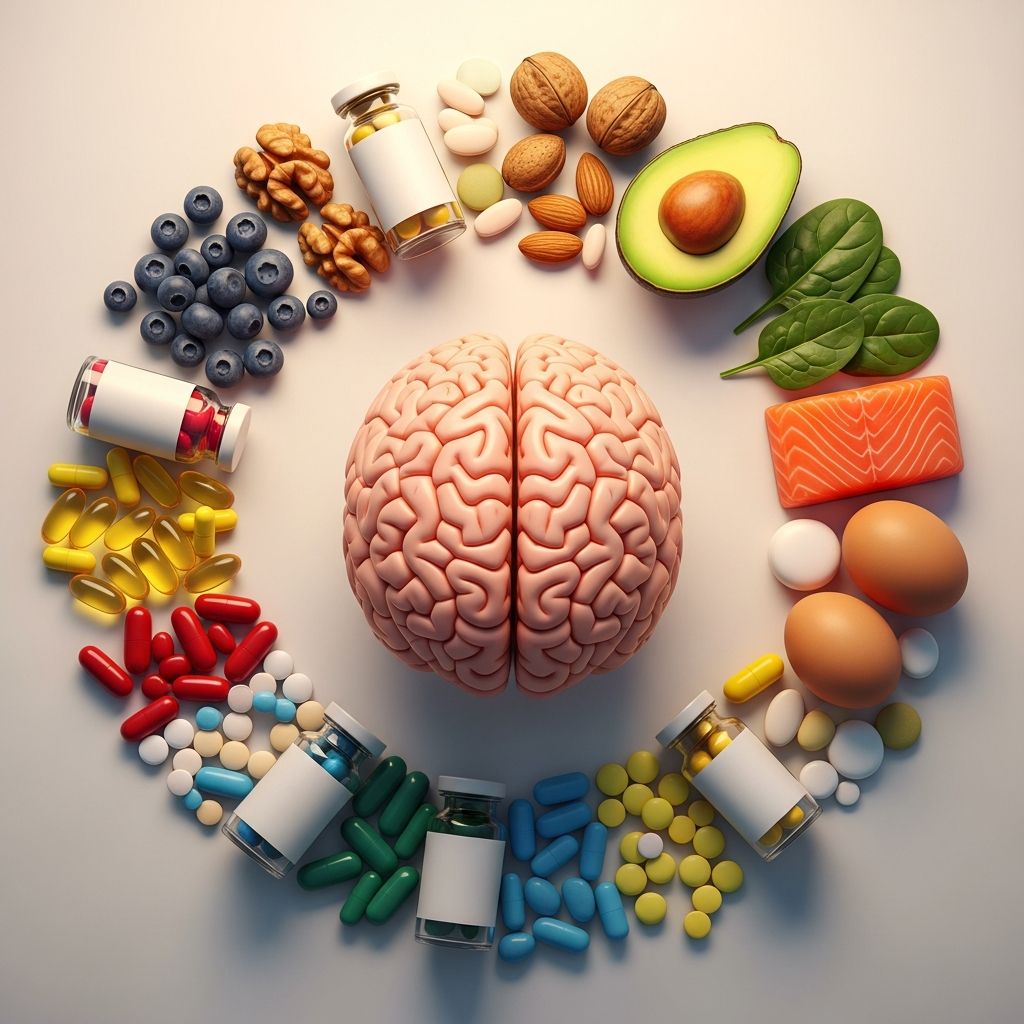
The brain is a vital organ that requires proper nutrition to function optimally. Certain vitamins play crucial roles in maintaining cognitive health, supporting memory, and potentially reducing the risk of neurodegenerative diseases like dementia and Alzheimer’s. Research highlights vitamins such as B6, B9 (folate), B12, C, D, and E as key players in brain protection through mechanisms like antioxidant activity, homocysteine regulation, and neuroinflammation reduction. This article examines the evidence behind these vitamins, drawing from systematic reviews and cohort studies to provide actionable insights for enhancing brain health through diet and supplementation.
Why Vitamins Matter for Brain Health
Vitamins are essential micronutrients that influence brain structure and function. Deficiencies in specific vitamins can lead to elevated homocysteine levels, oxidative stress, and inflammation, all implicated in cognitive decline. For instance, B vitamins help metabolize homocysteine, a compound linked to dementia risk when elevated due to B6, B9, or B12 shortages. Antioxidants like vitamins C and E combat free radicals that damage neurons, while vitamin D supports neurotrophic factors in brain regions like the hippocampus and cortex. Incorporating vitamin-rich foods or supplements may preserve cognitive performance, though results vary by individual health status and study design.
Observational studies show associations between higher vitamin intakes and lower dementia incidence, but randomized trials often yield mixed results on supplementation benefits. Lifestyle factors, such as diet quality and cardiovascular health, confound outcomes, emphasizing whole-food sources over isolated supplements.
Vitamins B6, B9 & B12
The B vitamins—B6 (pyridoxine), B9 (folate), and B12 (cobalamin)—are critical for brain health due to their role in homocysteine metabolism. Elevated homocysteine, often from B vitamin deficiencies, correlates with increased dementia risk. Supplementation aims to lower these levels and potentially slow cognitive decline.
Systematic reviews of small trials indicate mixed efficacy. One randomized controlled trial in cognitively intact older adults with high homocysteine supplemented 500 μg B12, 10 mg B6, and 1000 μg folate daily for two years. It successfully reduced homocysteine but showed no cognitive improvements versus placebo. Another study in mild cognitive impairment patients found high-dose B vitamins slowed brain atrophy and enhanced memory, particularly in those with elevated homocysteine, suggesting targeted use for at-risk groups.
- B6 (Pyridoxine): Supports neurotransmitter synthesis; deficiency linked to depression and cognitive fog.
- B9 (Folate): Aids DNA repair and methylation; low levels associate with Alzheimer’s pathology.
- B12 (Cobalamin): Essential for myelin sheath integrity; deficiency causes neuropathy and memory loss.
Food sources include leafy greens, eggs, meat, and fortified cereals. Vegans may need B12 supplements. While promising, large trials like VITACOG show benefits mainly in subgroups with deficiencies or high homocysteine.
Vitamin E
Vitamin E, a fat-soluble antioxidant, protects neuronal membranes from oxidative damage. A large prospective cohort of 5395 participants followed for 9.6 years found those with the highest vitamin E-rich food intake had a 25% lower dementia risk compared to the lowest intake group. Mechanisms include reducing cardiovascular disease, pro-inflammatory cytokines, and beta-amyloid accumulation in Alzheimer’s.
However, supplementation trials differ from dietary studies. Benefits may stem from whole foods’ synergistic compounds rather than vitamin E alone. High doses risk adverse effects like bleeding, so dietary sources—nuts, seeds, spinach, and vegetable oils—are preferable.
Related Stories



| Vitamin E Food Sources | Serving Size | Daily Value (%) |
|---|---|---|
| Almonds | 1 oz (28g) | 49% |
| Sunflower seeds | 1 oz | 90% |
| Spinach (cooked) | ½ cup | 13% |
| Avocado | 1 medium | 28% |
Vitamins A & C
Vitamins A and C provide antioxidant defense against cognitive decline. Vitamin A (retinol, beta-carotene) and vitamin C (ascorbic acid) neutralize free radicals, potentially preventing dementia.
The Women’s Antioxidant Cardiovascular Study (WACS) tested beta-carotene (no cognitive benefit) and vitamin C (500 mg daily), finding better performance at five-year follow-up, especially post-cardiovascular events. Subgroup benefits limit broad recommendations, but they highlight potential in high-risk individuals.
Vitamin A sources: carrots, sweet potatoes, liver. Vitamin C: citrus fruits, bell peppers, broccoli. Excess vitamin A from supplements can be toxic; prioritize food.
- Antioxidant Synergy: Vitamins C and E recycle each other, enhancing neuroprotection.
- Research Gaps: Conflicting beta-carotene results necessitate more trials.
Vitamin D
Vitamin D, activated as calcitriol, acts as a neurosteroid with receptors in cognition-critical brain areas. It offers anti-inflammatory, antioxidative, and neurotrophic effects.
Cross-sectional data from the EPIDOS study linked low dietary vitamin D (≤35 μg/week) to poorer cognition (OR 1.3). NHANES III found vitamin D deficiency (<75 nmoll serum 25-hydroxyvitamin d) increased cognitive impairment risk in older adults. Sun exposure, fatty fish, and fortified dairy provide vitamin D; supplementation is common for deficiencies, especially in low-sunlight regions.
Large trials like VITAL are ongoing to clarify supplementation effects on cognition.
Other Nutrients for Brain Health
Beyond vitamins, omega-3 fatty acids, flavonoids, and choline support cognition. Omega-3s reduce inflammation; sources include salmon and walnuts. While not vitamins, they complement vitamin strategies for holistic brain support.
Food Sources vs. Supplements
Whole foods offer synergistic benefits over supplements. For example, vitamin E-rich foods may protect via multiple pathways. Supplements suit deficiencies but risk interactions; consult healthcare providers.
| Vitamin | Top Food Sources | Supplement Considerations |
|---|---|---|
| B Vitamins | Leafy greens, eggs, meat | Target high homocysteine |
| Vitamin E | Nuts, seeds, oils | Dietary preferred |
| Vitamin C | Citrus, peppers | Post-event benefits |
| Vitamin D | Fatty fish, fortified milk | For deficiency |
Who Benefits Most?
Older adults, those with deficiencies, high homocysteine, or cardiovascular risks gain most. Routine screening aids personalized approaches.
Frequently Asked Questions (FAQs)
What are the best vitamins for brain fog?
B vitamins (B6, B9, B12) address homocysteine-related fog; vitamin D combats deficiency-linked symptoms.
Can vitamin supplements prevent Alzheimer’s?
They may slow progression in at-risk groups but don’t guarantee prevention; diet and lifestyle are key.
How much vitamin D for cognitive health?
Aim for serum 25-hydroxyvitamin D >75 nmol/L; 600-2000 IU daily supplements often recommended.
Are B12 supplements safe for vegans?
Yes, essential due to plant-based diet limitations; cyanocobalamin form is effective.
Does vitamin E from food reduce dementia risk?
Yes, high intake linked to 25% lower risk in cohort studies.
Practical Tips for Brain-Boosting Nutrition
- Eat a Mediterranean-style diet rich in fruits, vegetables, nuts, and fish.
- Get sunlight or supplement vitamin D seasonally.
- Monitor homocysteine levels if over 50.
- Combine vitamins with exercise and sleep for synergy.
In summary, vitamins B6, B9, B12, C, D, and E support brain health via diverse mechanisms. While evidence supports dietary intake, supplementation requires caution and professional guidance. Prioritize nutrient-dense foods for long-term cognitive vitality.
References
- Common dietary supplements for cognitive health — Grodstein F, et al. PMC. 2012-03-15. https://pmc.ncbi.nlm.nih.gov/articles/PMC3311304/
- Vitamin D and Cognitive Function — Annweiler C, et al. Journal of the American Geriatrics Society. 2010-06-01. https://doi.org/10.1111/j.1532-5415.2010.02818.x
- B Vitamins and the Aging Brain — Smith AD, et al. Nutrition Reviews. 2010-07-01. https://doi.org/10.1111/j.1753-4887.2010.00304.x
- Antioxidants and Cognitive Decline — Devore EE, et al. Annals of Neurology. 2010-04-01. https://doi.org/10.1002/ana.22089
Similar Articles








Read full bio of Sneha Tete