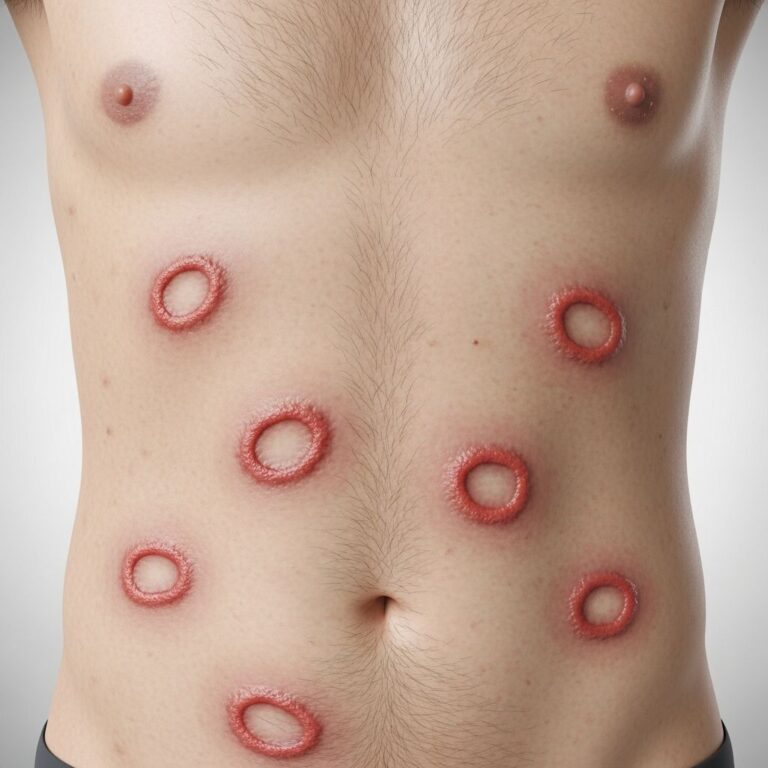
Dry Skin In Winter: 6 Prevention Tips To Protect Your Skin
Discover how cold winter weather dries out skin, worsens conditions like eczema and psoriasis, and triggers allergies or infections.
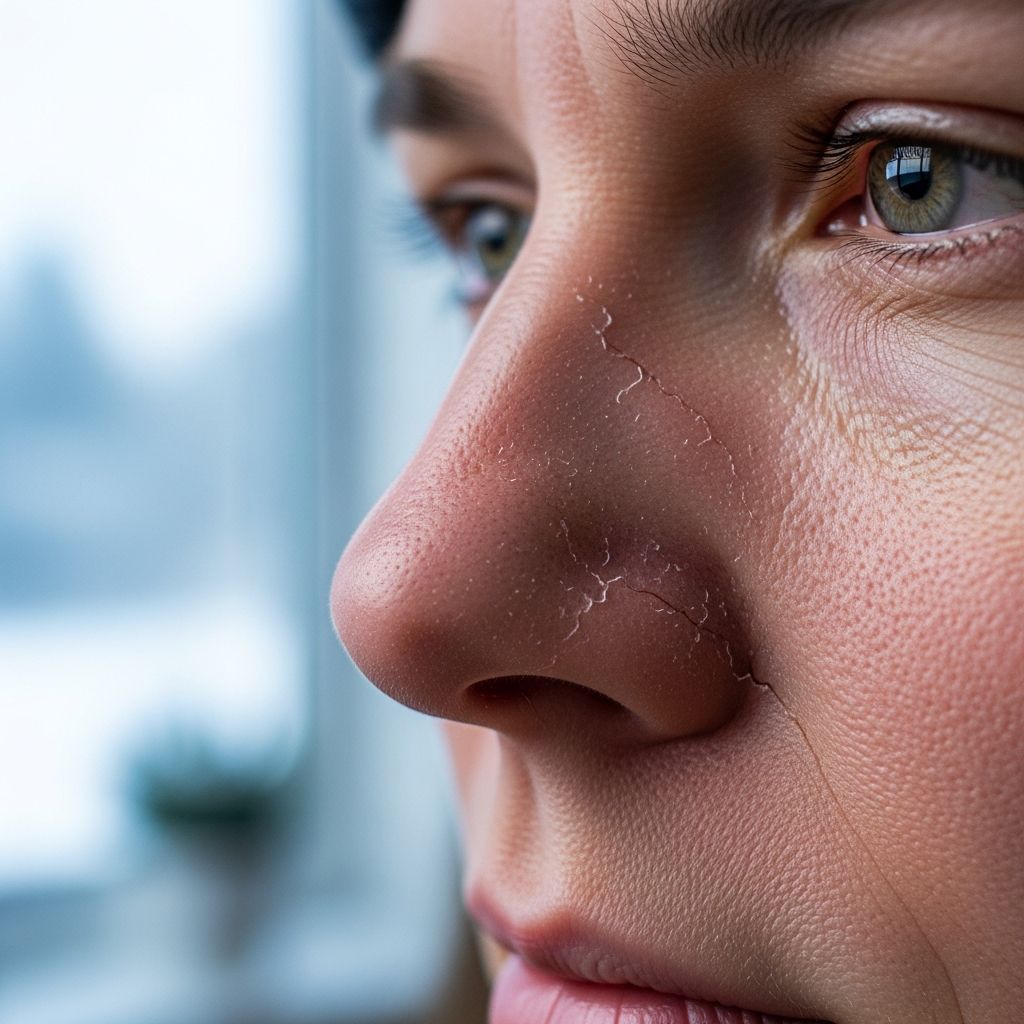
Cold weather poses significant challenges to skin health, stripping moisture and exacerbating various conditions. From dry, itchy skin to flare-ups of chronic issues like eczema and psoriasis, winter demands proactive care.
Lesser-known effects include heightened allergic reactions and increased infection risks, which further compromise the skin barrier. Dermatologists note that the combination of low outdoor humidity, harsh winds, and indoor central heating creates a ‘perfect storm’ for irritation.
Cold weather and pre-existing skin conditions
Individuals with pre-existing skin issues face amplified challenges in winter. Low humidity accelerates moisture loss from the epidermis, while icy winds erode the protective barrier, reducing natural oils from sebaceous glands.
Shorter days disrupt circadian rhythms, impacting sebum production and skin repair. Reduced sunlight limits Vitamin D synthesis, essential for barrier function, and hormonal shifts can trigger acne or oil imbalances.
Central heating exacerbates dryness indoors, and woollen fabrics irritate sensitive skin. Professor Hywel Williams explains that summer skin benefits from higher humidity and oil production, but winter reverses this, overwhelming the skin’s coping mechanisms.
Cold weather and dry skin conditions
Transitions between frigid outdoors and overheated indoors dry skin profoundly. Dry air holds less moisture, sebaceous glands produce fewer oils, and wind strips lipids, leading to conditions like xerosis or winter itch.
Eczema
Atopic dermatitis flare-ups surge in winter due to intensified dryness. Studies confirm cold, low-humidity environments worsen symptoms like itching and redness. Central heating and dust mites indoors compound issues, while vitamin D deficiency may play a role.
Avoid hot showers; opt for lukewarm water and humidifiers. Layer cotton or silk clothing to prevent sweating, as advised by the National Eczema Society.
Acne
Contrary to oily skin myths, dry winter skin promotes acne via dead cell buildup clogging pores. Compromised barriers allow bacterial entry, sparking inflammation. Moisturize to maintain balance and prevent breakouts.
Winter itch
This temporary xerosis causes intense itching, scaliness, and rashes mimicking eczema but resolves with warmer weather. Hot showers worsen it by further depleting oils; symptoms peak after bathing.
Tip: Apply thick emollients immediately post-bath to lock in moisture.
Psoriasis and cold weather
Psoriasis, an autoimmune disorder, features red, scaly plaques with burning or joint stiffness. Dry air and limited sunlight hinder management, flaring patches as the immune system overreacts.
Dr. Justine Kluk notes shorter days reduce UV exposure, which normally suppresses symptoms. Cold triggers thicker scales; maintain hydration and consider phototherapy if prescribed.
Cold urticaria and cold weather
Cold urticaria causes hives from cold exposure. Contact with icy air, wind, or water triggers itchy welts and swelling, sometimes systemic reactions like headaches or anaphylaxis.
Avoid sudden temperature shifts; warm up gradually. Antihistamines help, but consult a doctor for severe cases.
Related Stories



Rosacea and cold weather
Rosacea leads to facial flushing, visible vessels, and pustules. Cold, dry winds provoke redness, worsened by indoor heat transitions causing ‘flush’ reactions.
Shield face with scarves, use gentle moisturizers, and avoid pore-blocking products or steroids. Antibiotics may be needed for persistent flares.
Raynaud’s disease and cold weather
Raynaud’s causes vasospasms in cold, turning fingers/toes white, blue, then red with pain. Extremities suffer most; keep warm with gloves, socks, and avoid caffeine/nicotine.
Chilblains and cold weather
Chilblains (perniosis) are itchy, inflamed skin patches from poor circulation in cold, damp conditions. Red, swollen toes/fingers blister; prevent by gradual warming and moisture.
Treatment includes topical steroids; severe cases need medical review to rule out vascular issues.
Other winter skin threats
Beyond common conditions, winter boosts cold sores via chapped lips impairing barriers, reactivating HSV. Frostbite risks skin necrosis in extremes. Infections spread easier in dry, indoor crowds.
| Condition | Symptoms | Triggers | Prevention |
|---|---|---|---|
| Eczema | Itch, dryness, flares | Cold/dry air, heat | Humidify, moisturize |
| Psoriasis | Scaly plaques | Low sun, dryness | Emollients, UV therapy |
| Rosacea | Flushing, bumps | Temp changes | Scarves, gentle care |
| Chilblains | Itchy swellings | Cold/damp | Warm gradually |
Prevention and care tips
- Moisturize daily: Use ointments with ceramides to repair barriers.
- Humidify indoors: Combat central heating dryness.
- Short, lukewarm showers: Pat dry, apply cream immediately.
- Protect exposed skin: Gloves, hats, scarves against wind.
- Hydrate internally: Drink water despite cold.
- Gentle fabrics: Avoid wool on sensitive areas.
Frequently Asked Questions (FAQs)
Why does skin dry out more in winter?
Cold air holds less moisture, winds strip oils, and heating dries indoors further.
Can winter trigger new skin conditions?
Yes, like winter itch or chilblains in susceptible people.
Is sunscreen needed in winter?
Snow reflects UV; protect against burns.
How to soothe winter itch?
Emollients, avoid hot water, use antihistamines if needed.
Does eczema always worsen in winter?
Often, due to dryness, but manage with proper care.
References
- Braving the Elements: How Winter Weather Influences Skin — University of Rochester Medical Center. 2023. https://www.urmc.rochester.edu/news/story/braving-the-elements-how-winter-weather-influences-skin
- Dry skin in winter: what cold weather can do to your skin — Patient.info (Peer reviewed by Dr Sarah Jarvis MBE). 2023-12-08. https://patient.info/features/skin-conditions/what-winter-weather-can-do-to-your-skin
- How to care for your skin in winter — Patient.info. 2023. https://patient.info/features/skin-conditions/your-winter-skin
- Seasonal Eczema | Hot and Cold Weather Effects — Patient.info. 2023. https://patient.info/features/skin-conditions/how-the-seasons-affect-your-eczema
- What is Frostbite? Causes, Symptoms, and Treatment — Patient.info (Written by a GP). 2023. https://patient.info/signs-symptoms/frostbite-leaflet
Similar Articles








Read full bio of medha deb