What You Need to Know About Photosensitivity
Understand photosensitivity reactions, their causes, symptoms, and essential sun protection strategies to safeguard your skin health.
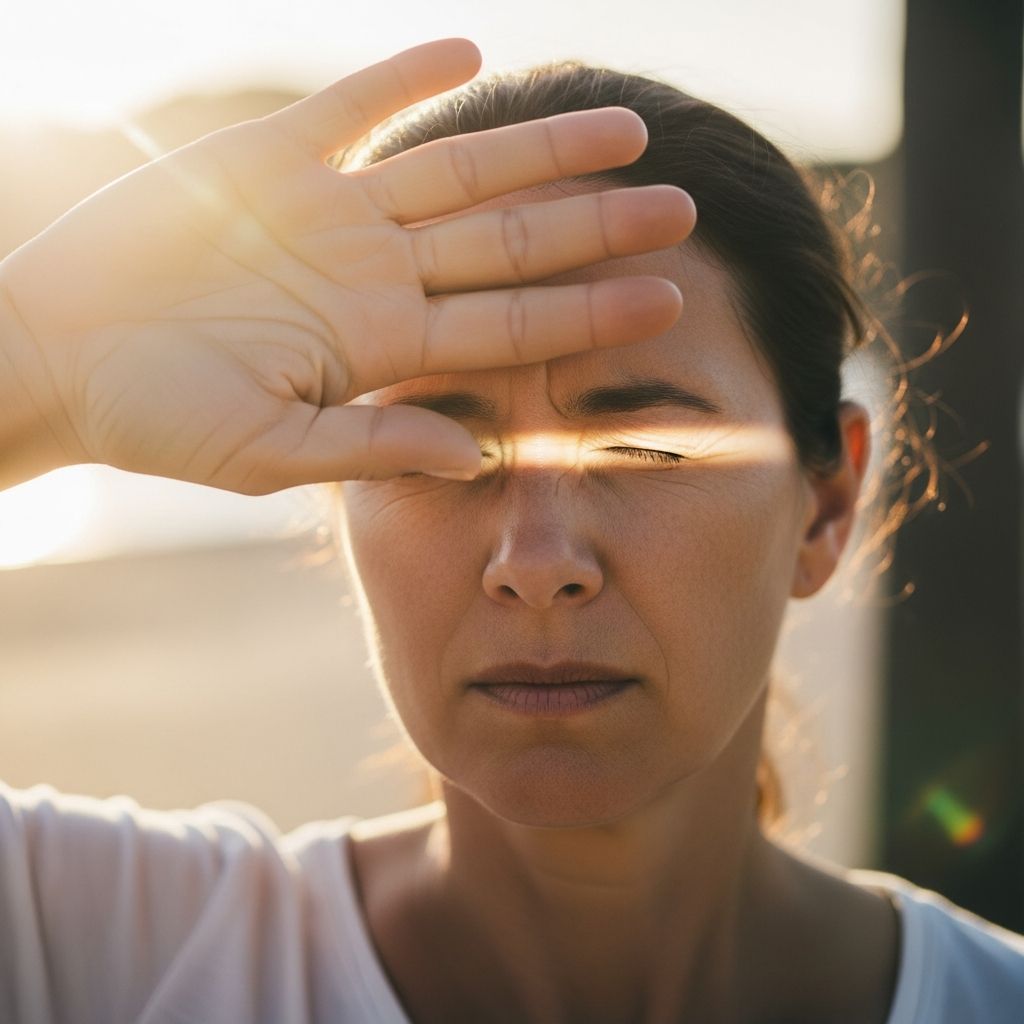
Photosensitivity refers to an abnormal reaction of the skin to ultraviolet (UV) radiation from sunlight or artificial sources, leading to rashes, blisters, or other damage even with brief exposure. This condition heightens the risk of skin cancer because any skin darkening or burning indicates DNA damage in skin cells.
Understanding photosensitivity is crucial for anyone experiencing unusual skin responses to sun exposure. It can stem from medications, skincare products, diseases, or genetic factors, affecting people of all skin types. Early recognition and preventive measures can significantly mitigate risks.
What Is Photosensitivity?
Photosensitivity, or sun sensitivity, occurs when the skin reacts excessively to UV light, manifesting as itchy eruptions, redness, or blisters on exposed areas. Unlike typical sunburn, these reactions can happen rapidly and may signal underlying health issues.
The Skin Cancer Foundation emphasizes that photosensitive individuals face amplified risks from limited UV exposure, potentially leading to lasting damage and cancer. Not everyone develops it, but awareness empowers better skin protection.
Types of Photosensitive Reactions
There are two primary types:
phototoxic
andphotoallergic
reactions, each with distinct mechanisms and timelines.Phototoxic Reactions
Phototoxic reactions are the most common, resembling exaggerated sunburns. They arise when UV light activates certain drugs or chemicals on or in the skin, causing direct cellular damage within 24 hours. Symptoms include pain, redness, inflammation, and sometimes brown or blue-gray discoloration, confined to exposed areas.
Common triggers include tetracyclines, diuretics, perfumes, coal tar, and plants like limes, celery, or parsley containing furocoumarins—a condition called phytophotodermatitis. These resolve without treatment but indicate UV sensitivity.
Photoallergic Reactions
Photoallergic reactions involve the immune system. UV exposure alters a substance, prompting the body to produce antibodies against it, typically 1-3 days later. This can cause rashes, blisters, red bumps, oozing lesions, scaling, itching, or hive-like spots, sometimes spreading beyond exposed skin.
Triggers include sunscreens, aftershave lotions, sulfonamides, and topical products. These are less common but more systemic due to immune involvement.
Solar Urticaria
Solar urticaria is a rare, immediate hypersensitivity where hives (large, itchy red welts) appear within minutes of sun exposure, lasting hours. It primarily affects UVA light and can cause headaches, dizziness, weakness, nausea, or wheezing in severe cases.
This condition may persist lifelong, with larger affected areas heightening systemic symptoms. It’s distinct from other reactions due to its speed and hive formation.
Polymorphous Light Eruption (PMLE)
PMLE is one of the most common sun-related issues, especially in women and those from northern climates with infrequent sun exposure. It reacts mainly to UVA, showing as red bumps, itchy plaques, or rare blisters on exposed skin 30 minutes to days after exposure.
Symptoms resolve in days to weeks, and gradual sun exposure can induce ‘hardening,’ reducing sensitivity over time. It’s not fully understood but prevalent in fair-skinned individuals.
Causes of Photosensitivity
Related Stories



Photosensitivity arises from diverse sources:
- Medications: Antibiotics (tetracyclines), NSAIDs, diuretics, antifungals, heart drugs, and retinoids increase UV vulnerability.
- Topical Products: Retinols, fragrances, sunscreens, and coal tar derivatives.
- Plants: Furocoumarin-rich items like limes cause phytophotodermatitis.
- Diseases: Lupus erythematosus, porphyrias, and others provoke severe reactions.
- Genetic Factors: Inherited tendencies or conditions like xeroderma pigmentosum amplify risks.
| Category | Examples | Reaction Type |
|---|---|---|
| Medications | Tetracyclines, Diuretics, Sulfonamides | Phototoxic/Photoallergic |
| Topicals | Perfumes, Retinols, Sunscreens | Photoallergic |
| Plants | Limes, Celery, Parsley | Phototoxic (Phytophotodermatitis) |
| Diseases | Lupus, Porphyrias | Both |
Symptoms of Photosensitivity
Common signs include:
- Itchy rashes or hives on sun-exposed skin
- Redness, inflammation, pain
- Blisters, bumps, oozing lesions
- Scaling, discoloration (brown/blue-gray)
- Systemic: headache, nausea (severe cases)
Skin darkening or burning always signals DNA damage, elevating skin cancer risk, including basal cell carcinoma, squamous cell carcinoma, and melanoma.
Diagnosis
Diagnosis relies on clinical evaluation: history of sun exposure, medications, symptoms, and physical exam. Phototesting or patch testing may confirm triggers. Underlying diseases require specialist referral.
Treatment
Most reactions resolve spontaneously by avoiding sun and using cool compresses, topical steroids, or oral antihistamines. Severe cases may need corticosteroids or immunosuppressants. Identify and discontinue triggers.
For PMLE, hardening via controlled UV exposure helps. Chronic cases warrant dermatologist management.
What You Can Do: Sun Protection Strategies
Prevention is paramount:
- Review Medications: Consult doctors/pharmacists about photosensitizing drugs.
- Timing Applications: Use retinols at night.
- Broad-Spectrum Sunscreen: SPF 30+ reapplied every 2 hours; seek shade 10 AM-4 PM.
- Protective Clothing: UPF clothing, hats, sunglasses.
- Avoid Triggers: Plants, fragrances during peak sun.
Vigilance reduces cancer risk from cumulative UV damage.
Frequently Asked Questions (FAQs)
What causes photosensitivity?
Medications, topicals, plants, diseases, or genetics trigger abnormal UV reactions.
How do phototoxic and photoallergic reactions differ?
Phototoxic: Direct damage, quick onset (24h), sunburn-like. Photoallergic: Immune-mediated, delayed (1-3 days), rash/blisters.
Can photosensitivity lead to skin cancer?
Yes, reactions cause DNA damage, raising risks for basal/squamous cell carcinoma and melanoma.
How is solar urticaria treated?
Sun avoidance, antihistamines; severe cases need medical intervention.
Does PMLE go away?
It resolves in weeks; repeated exposure may harden skin, lessening future episodes.
Skin Cancer Risks and ABCDEs
Photosensitivity amplifies UV damage, causing precancerous actinic keratosis, benign tumors, wrinkles, and cancers. Watch for ABCDE melanoma signs:
- Asymmetry
- Border irregularity
- Color variation
- Diameter >6mm
- Evolving changes
Basal cell: pearly bumps. Squamous cell: scaly nodules.
References
- Sun Exposure and Skin Cancer — WebMD. 2023. https://www.webmd.com/beauty/sun-exposure-skin-cancer
- What You Need to Know About Photosensitivity — Skin Cancer Foundation. 2023. https://www.skincancer.org/blog/what-you-need-to-know-about-photosensitivity/
- Photosensitivity Reactions — Merck Manuals. 2025-01-01. https://www.merckmanuals.com/home/skin-disorders/sunlight-and-skin-damage/photosensitivity-reactions
- Photosensitivity Disorders — Dermatology Associates of Oakbrook. 2024. https://oakbrookderm.com/services/general-dermatology/photosensitivity-disorders/
- Photosensitivity — Skin Cancer Foundation. 2023. https://www.skincancer.org/risk-factors/photosensitivity/
- Photosensitivity: What it is, Symptoms & Rash, Causes — Cleveland Clinic. 2024. https://my.clevelandclinic.org/health/symptoms/photosensitivity
Similar Articles








Read full bio of medha deb