What You Should Know About Periods More Than 4 Weeks Apart
Discover causes, symptoms, and treatments for infrequent periods spaced over 4 weeks, and when to seek medical help.
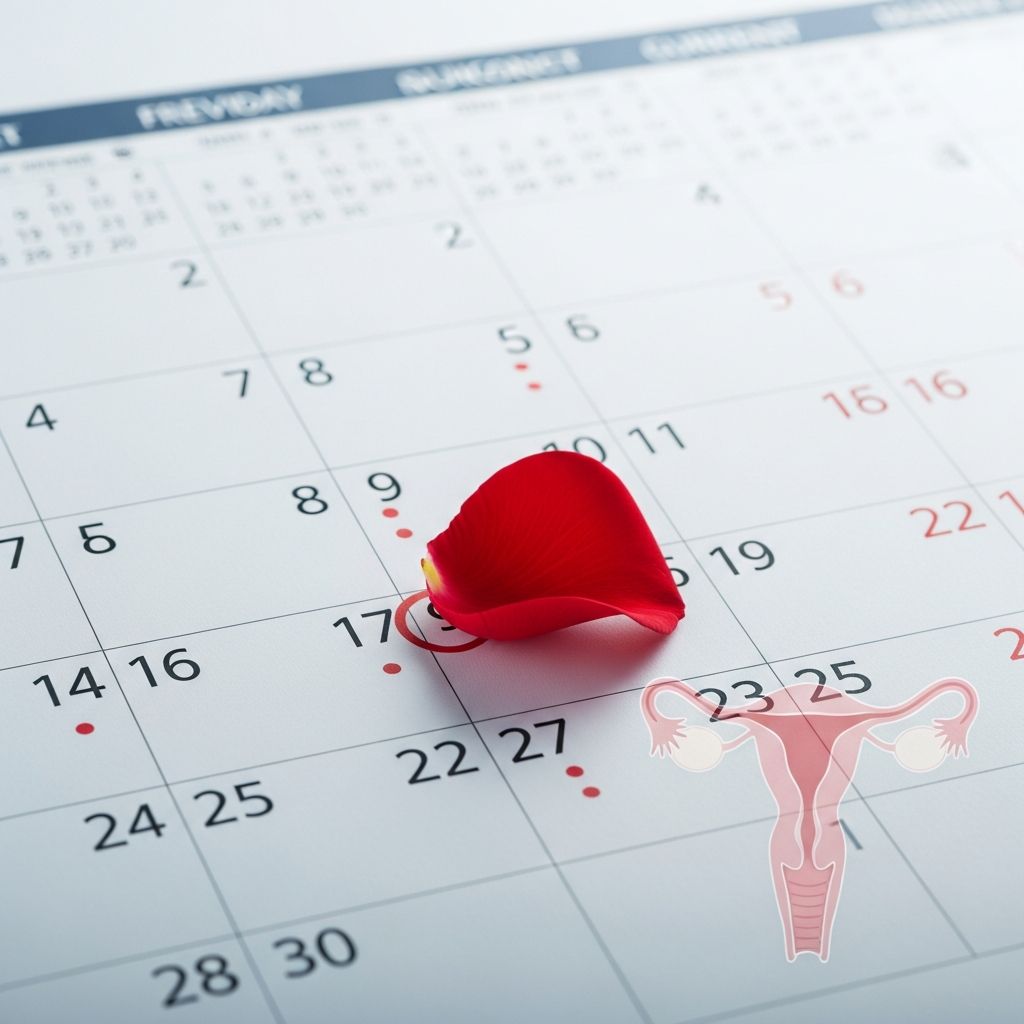
What You Should Know About Periods That Are More Than 4 Weeks Apart
Periods that occur more than 4 weeks apart, a condition called
oligomenorrhea
, affect many women and can range from harmless variations to signs of underlying health issues. A typical menstrual cycle lasts 21 to 35 days, so cycles exceeding 35 days warrant attention, especially if consistent. This article explores causes, symptoms, diagnosis, treatments, and prevention, drawing from authoritative medical sources.What Does It Mean If Your Period Is More Than 4 Weeks Late?
A menstrual cycle longer than 35 days indicates
infrequent menstruation
or oligomenorrhea, distinct from amenorrhea, which involves missing periods entirely for three months or more. Oligomenorrhea disrupts ovulation, potentially affecting fertility, bone health, and hormone balance. Common in adolescence, perimenopause, or athletes, it often stems from hormonal fluctuations but may signal conditions like polycystic ovary syndrome (PCOS).Tracking cycles via apps helps identify patterns. If periods space beyond 35-40 days, consult a healthcare provider to rule out pregnancy or medical concerns.
How Common Are Irregular Periods?
Irregular periods impact up to 30% of menstruating individuals, with oligomenorrhea particularly common during puberty (when cycles stabilize over 2-3 years) and perimenopause (ages 45-55). PCOS affects 6-12% of reproductive-age women, often causing cycles longer than 35 days. Athletes and those with eating disorders face higher risks due to low body fat and stress.
Symptoms of Periods More Than 4 Weeks Apart
Beyond extended cycle length, symptoms include:
- Missed or skipped periods for 35+ days
- Light or heavy bleeding when periods occur
- Acne, weight gain, or excess hair growth (hirsutism) from androgens in PCOS
- Fatigue, hair loss, or cold intolerance from thyroid issues
- Pelvic pain or spotting between cycles
- Infertility or difficulty conceiving
Severe symptoms like dizziness, extreme fatigue, or sudden changes demand immediate evaluation.
Causes of Periods More Than 4 Weeks Apart
Infrequent periods arise from hormonal, lifestyle, structural, or medical factors. Here’s a breakdown:
1. Pregnancy and Natural Causes
Pregnancy is the top cause of secondary amenorrhea or delayed periods; breastfeeding also suppresses ovulation. Menopause or perimenopause naturally lengthens cycles.
2. Hormonal Imbalances
- **PCOS**: Elevated androgens and insulin resistance prevent regular ovulation, leading to infrequent, heavy periods.
- **Thyroid Disorders**: Hypothyroidism (underactive) or hyperthyroidism disrupts cycles; affects 5-10% of women.
- **Elevated Prolactin**: Pituitary issues raise prolactin, halting ovulation.
- **Primary Ovarian Insufficiency (POI)**: Ovaries fail before age 40, mimicking early menopause.
3. Lifestyle Factors
Low body weight (10% below normal), excessive exercise, stress, or rapid weight changes interrupt hypothalamic signals, stopping ovulation. Athletes like ballerinas often experience this.
4. Medications and Contraceptives
Hormonal birth control (pills, implants, IUDs), antipsychotics, or epilepsy drugs can suppress periods. Effects may linger post-discontinuation.
5. Structural and Medical Conditions
- **Uterine Scarring (Asherman’s Syndrome)**: Post-surgery scar tissue prevents lining shedding.
- **Pituitary Tumors**: Benign growths alter hormone regulation.
- **Chronic Illnesses**: Uncontrolled diabetes, Cushing’s syndrome, or adrenal disorders.
| Cause Category | Examples | Prevalence/Risk |
|---|---|---|
| Hormonal | PCOS, Thyroid, Prolactin | High in reproductive years |
| Lifestyle | Stress, Exercise, Weight | Common in athletes |
| Medications | Birth Control, Antipsychotics | Reversible post-use |
| Structural | Asherman’s, Tumors | Rare, post-trauma |
Diagnosis: What to Expect From Your Doctor
Diagnosis starts with a medical history, cycle tracking, and physical exam. Expect:
- Blood tests for hormones (FSH, LH, thyroid, prolactin), pregnancy, and cholesterol.
- Pelvic ultrasound for PCOS (cysts) or fibroids.
- Progestin challenge test: Induces withdrawal bleed to assess estrogen levels.
- Endometrial biopsy or MRI for scarring/tumors if needed.
Rule out pregnancy first.
Treatment Options for Infrequent Periods
Treatment targets the cause:
Lifestyle Changes
- Weight management: Gain weight if underweight; lose if overweight for PCOS.
- Reduce exercise intensity; manage stress via yoga or therapy.
Medications
- **Hormonal Therapies**: Birth control pills regulate cycles, reduce PCOS symptoms.
- **Metformin**: Improves insulin sensitivity in PCOS.
- **Thyroid Medication**: Levothyroxine for hypothyroidism.
- **Dopamine Agonists**: Lowers prolactin (e.g., cabergoline).
Surgical Interventions
Hysteroscopy for Asherman’s; tumor removal if present. For POI, hormone replacement therapy (HRT) until menopause age.
Fertility Support
Clomiphene or letrozole induces ovulation.
Prevention Tips
- Maintain BMI 18.5-24.9; balanced diet with whole foods.
- Moderate exercise (150 min/week); stress reduction.
- Track cycles; annual gyn exams.
- Avoid extreme dieting; manage chronic conditions.
When to See a Doctor
Seek care if:
- Cycles >35 days for 3+ months
- Symptoms like severe pain, heavy bleeding, or infertility
- Sudden changes post-normal cycles
- Accompanied by hot flashes, vaginal dryness (early menopause)
Teens post-puberty or perimenopausal women should monitor closely.
Frequently Asked Questions (FAQs)
Q: Can stress alone cause periods more than 4 weeks apart?
A: Yes, stress disrupts the hypothalamus, halting ovulation and extending cycles; it often resolves with stress management.
Q: Does PCOS always cause infrequent periods?
A: Most women with PCOS (80-90%) have irregular cycles >35 days due to anovulation.
Q: Will birth control fix oligomenorrhea permanently?
A: It regulates cycles while used but doesn’t cure underlying issues like PCOS; symptoms may return post-use.
Q: Can excessive exercise cause permanent damage?
A: Prolonged low body fat risks bone loss and infertility, but cycles often normalize with balanced habits.
Q: Is oligomenorrhea a sign of infertility?
A: It reduces fertility odds due to infrequent ovulation, but treatments like ovulation induction help many conceive.
This comprehensive guide empowers you to understand and address infrequent periods. Always consult a healthcare professional for personalized advice.
References
- What causes menstrual irregularities? — NICHD, Eunice Kennedy Shriver National Institute of Child Health and Human Development. Accessed 2026. https://www.nichd.nih.gov/health/topics/menstruation/conditioninfo/causes
- Amenorrhea – Symptoms and causes — Mayo Clinic Staff. 2023-02-09. https://www.mayoclinic.org/diseases-conditions/amenorrhea/symptoms-causes/syc-20369299
- Signs Your Period is Irregular — New England Women’s Healthcare. Accessed 2026. https://www.newh-obgyn.com/blog/signs-your-period-is-irregular
- Irregular periods — NHS. Accessed 2026. https://www.nhs.uk/symptoms/irregular-periods/
- Heavy and Abnormal Periods — ACOG. Accessed 2026. https://www.acog.org/womens-health/faqs/heavy-and-abnormal-periods
Similar Articles






Read full bio of Sneha Tete