Swollen Feet: Causes, Diagnosis, And Treatment Guide
Learn the common and serious causes of swollen feet and when to seek medical attention.
What’s Causing Those Swollen Feet?
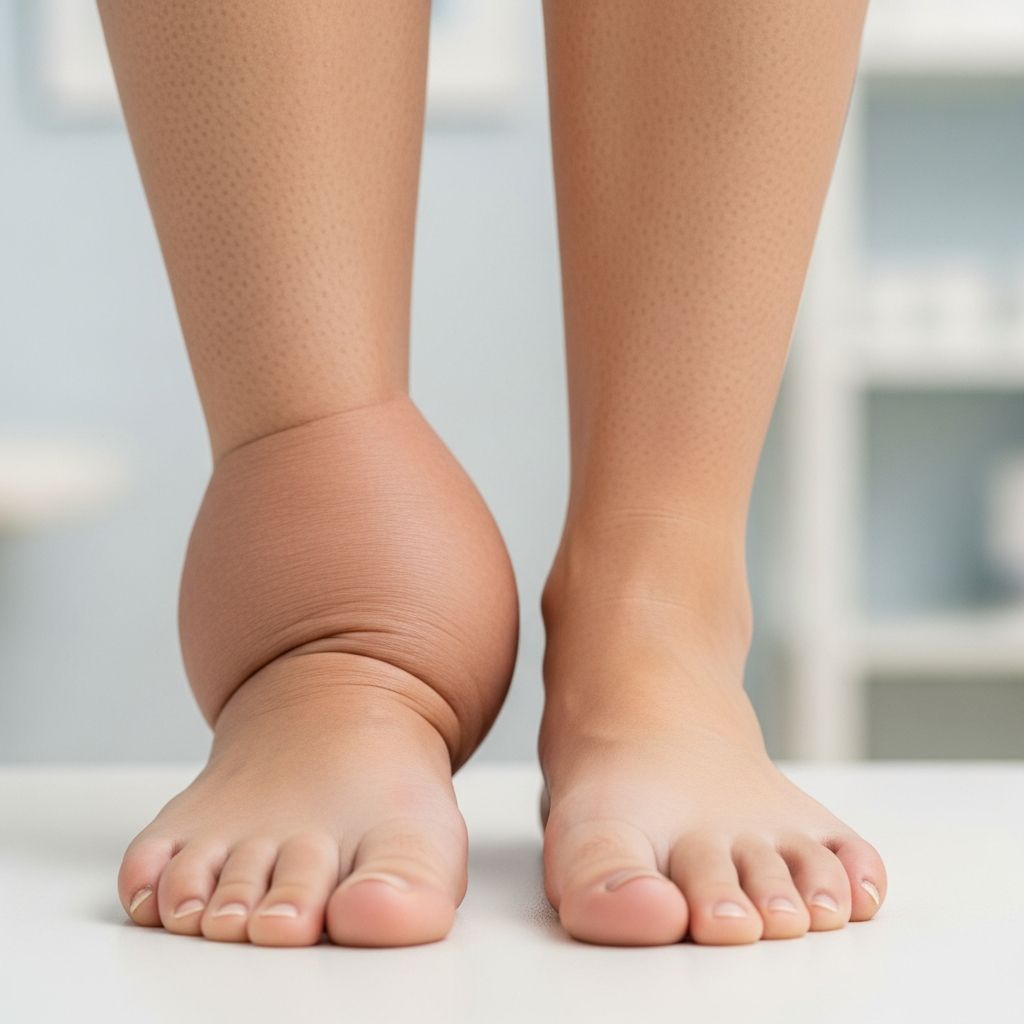
Swollen feet are a common complaint that affects many people at various stages of their lives. Whether you’ve noticed puffiness after a long day on your feet or persistent swelling that concerns you, understanding the underlying causes is essential for determining when self-care measures suffice and when professional medical evaluation becomes necessary. Swelling in the feet, medically known as edema, occurs when excess fluid accumulates in the body’s tissues. This comprehensive guide explores the multiple factors that can lead to swollen feet, ranging from benign lifestyle factors to serious underlying health conditions.
Understanding Foot Swelling: The Basics
Foot swelling is an incredibly common experience that most people encounter at some point in their lives. The feet and ankles are particularly susceptible to swelling because they are located at the lowest point of the body, making them prone to fluid accumulation due to gravity. When you stand or sit for extended periods, fluid naturally pools in the lower extremities. This is a normal physiological response and typically resolves with elevation and rest.
However, persistent or unexplained swelling warrants closer attention, as it may indicate an underlying medical condition that requires treatment. Understanding the distinction between temporary swelling and swelling that signals a health problem is crucial for maintaining overall wellness.
Temporary and Lifestyle-Related Causes
Many instances of swollen feet result from everyday activities and lifestyle factors rather than medical conditions. These temporary causes often resolve quickly once the triggering behavior is modified or discontinued.
Prolonged Standing or Sitting
One of the most common reasons for swollen feet is spending extended periods standing or sitting. When you maintain the same position for hours—whether working at a desk, attending events, or traveling—blood circulation slows in your lower extremities. Gravity causes fluid to accumulate in your feet and ankles, leading to noticeable puffiness. This type of swelling typically diminishes within a few hours after you elevate your legs or resume normal movement.
Heat and Humidity
Warm weather and high humidity can contribute to foot swelling in several ways. Heat causes blood vessels to dilate, increasing blood flow to the skin’s surface in an attempt to cool the body. Additionally, in hot conditions, your body may retain more fluid and salt. People often notice increased foot swelling during summer months or when traveling to warmer climates.
High Salt Intake
Consuming excessive amounts of salt can cause your body to retain fluid, as sodium affects how your kidneys regulate water balance. A meal high in sodium or several days of eating salty foods can result in noticeable swelling in your feet and ankles. Reducing sodium intake and increasing water consumption typically helps resolve salt-related swelling.
Pregnancy-Related Swelling
Pregnant women frequently experience swollen feet and ankles, particularly during the third trimester. This occurs due to increased blood volume, hormonal changes that affect fluid balance, and pressure from the growing uterus on blood vessels returning blood from the legs. While some swelling is normal during pregnancy, sudden or severe swelling should be reported to a healthcare provider, as it may indicate a serious condition such as preeclampsia.
Related Stories



Medication-Related Swelling
Certain medications can cause or contribute to foot and ankle swelling as a side effect. If you’ve recently started taking a new medication and noticed swelling developing, this connection may be the culprit. Common medications associated with swollen feet include:
- Blood pressure medications, particularly calcium channel blockers
- Nonsteroidal anti-inflammatory drugs (NSAIDs)
- Corticosteroids
- Antidepressants
- Hormone replacement therapy
- Oral contraceptives
Never stop taking prescribed medications without consulting your healthcare provider. If you suspect medication is causing your swollen feet, discuss alternative options with your doctor rather than discontinuing treatment independently.
Injury and Inflammation
Sprains, strains, and other foot or ankle injuries naturally cause localized swelling as your body’s inflammatory response increases blood flow to the affected area. This swelling serves a protective function, immobilizing the injury and promoting healing. Additionally, conditions like arthritis cause inflammatory swelling in the joints of the feet and ankles. Gout, another inflammatory condition, can cause sudden, severe swelling, typically affecting the big toe.
Serious Medical Conditions Associated with Swollen Feet
While many cases of swollen feet are benign and temporary, persistent or progressive swelling may indicate an underlying medical condition requiring professional evaluation and treatment. Several serious health conditions present with swollen feet as a symptom.
Heart Disease and Congestive Heart Failure
When the heart fails to pump blood efficiently, fluid backs up in the body’s tissues, commonly manifesting as swelling in the feet, ankles, and legs. Heart disease impairs the circulatory system’s ability to move fluid effectively, causing it to accumulate in the lower extremities. This type of swelling often worsens as the day progresses and may be accompanied by other symptoms such as shortness of breath, fatigue, or chest discomfort. If you experience sudden swelling along with difficulty breathing or chest pain, seek immediate medical attention.
Kidney Disease
The kidneys regulate fluid balance in the body. When kidney function deteriorates, the body cannot adequately filter and eliminate excess fluid, leading to accumulation in tissues. Kidney disease-related swelling often affects both feet symmetrically and may be accompanied by other symptoms such as fatigue, changes in urination patterns, or high blood pressure. Swelling from kidney disease typically affects the face and eyes as well as the lower extremities.
Liver Disease
Liver disease impairs the body’s ability to regulate fluid balance and produce proteins necessary for maintaining proper fluid distribution. Cirrhosis and other liver conditions can lead to significant swelling in the feet, ankles, and legs. Liver disease-related swelling often accompanies other symptoms such as jaundice, abdominal swelling, or yellowing of the skin and eyes.
Venous Insufficiency
Veins contain one-way valves that prevent blood from flowing backward. When these valves weaken or fail, blood pools in the legs and feet, causing chronic swelling. Venous insufficiency often develops gradually and may be accompanied by varicose veins, skin discoloration, or a sensation of heaviness in the legs. This condition is more common in people with a family history of vein problems or those who have experienced blood clots.
Deep Vein Thrombosis (DVT)
Deep vein thrombosis occurs when a blood clot forms in a deep vein, typically in the leg. This serious condition causes sudden swelling, usually on one side only, and may be accompanied by pain, warmth, or redness in the affected area. DVT requires immediate medical attention, as the clot can potentially break loose and travel to the lungs, causing a life-threatening pulmonary embolism. Risk factors include prolonged immobility, recent surgery, cancer, or inherited clotting disorders.
Thyroid Problems
Hypothyroidism, or an underactive thyroid, can cause swelling in the feet and other parts of the body. The condition affects metabolism and fluid regulation, potentially leading to edema. Thyroid-related swelling may be accompanied by fatigue, weight gain, or cold sensitivity.
Lymphedema
Lymphedema occurs when the lymphatic system cannot adequately drain fluid from tissues. This can result from removal of lymph nodes during cancer treatment, infection, or congenital lymphatic system problems. Lymphedema causes chronic swelling and requires specialized treatment to prevent complications.
When to Seek Medical Attention
While occasional mild foot swelling is usually not cause for concern, certain situations warrant professional medical evaluation. You should contact your healthcare provider if you experience:
- Persistent swelling lasting more than a few days despite rest and elevation
- Swelling affecting only one foot or leg
- Swelling accompanied by pain, redness, or warmth
- Swelling that worsens despite self-care measures
- Sudden onset of severe swelling
- Swelling accompanied by difficulty breathing or chest pain
- Swelling with signs of infection, such as fever or pus
- New swelling after starting a medication
Seek emergency medical attention immediately if you experience sudden swelling in one leg accompanied by severe pain, as this could indicate DVT or another serious vascular emergency.
Diagnostic Approaches
When you visit your healthcare provider with concerns about swollen feet, they will begin with a thorough history and physical examination. They may ask about the duration of swelling, any associated symptoms, recent travel or immobility, family history of vascular or heart disease, and current medications. Your doctor will examine both feet for symmetry and may check for pitting edema, where pressing the skin leaves an indentation that slowly fills back in.
Depending on initial findings, your doctor may recommend various diagnostic tests to identify the underlying cause. These may include blood tests to evaluate kidney and liver function, an electrocardiogram to assess heart rhythm, ultrasound imaging to evaluate blood vessels, or other specialized imaging studies.
Treatment and Management Strategies
Treatment for swollen feet depends entirely on the underlying cause. For temporary swelling from standing or heat, simple measures prove effective: elevating your feet above heart level, wearing compression stockings, reducing salt intake, and staying well-hydrated. Moving around and stretching your legs periodically when sitting for long periods helps prevent fluid accumulation.
For medication-related swelling, your doctor may adjust your dose or switch you to an alternative medication. When swelling results from an underlying medical condition such as heart disease, kidney disease, or liver disease, treatment focuses on managing the primary condition. This may involve medications, dietary modifications, or other therapeutic interventions recommended by your healthcare team.
Lifestyle Modifications and Prevention
Several lifestyle modifications can help reduce or prevent foot swelling. Maintaining a healthy weight reduces stress on your circulatory system and kidneys. Regular physical activity improves circulation and helps prevent fluid accumulation. Elevating your feet regularly throughout the day, especially in the evening, combats gravity-related fluid pooling. Wearing compression stockings if recommended by your healthcare provider can significantly reduce swelling. Limiting salt intake and staying adequately hydrated supports proper fluid balance. Avoiding prolonged immobility by changing positions frequently during work or travel prevents swelling from prolonged sitting or standing.
Frequently Asked Questions
Q: Why do my feet swell more in the evening?
A: Evening swelling is common due to fluid accumulation throughout the day from gravity. Your feet swell as you’ve been upright for hours, allowing fluid to pool in your lower extremities. Elevating your feet and resting typically helps resolve evening swelling.
Q: Can dehydration cause swollen feet?
A: Paradoxically, dehydration can contribute to swelling. When your body is inadequately hydrated, it retains fluid more aggressively to compensate. Drinking sufficient water helps maintain proper fluid balance and may reduce swelling.
Q: Is swelling during pregnancy always normal?
A: While some swelling is expected during pregnancy, sudden or excessive swelling warrants medical evaluation. This could indicate preeclampsia or other pregnancy complications requiring immediate attention.
Q: How quickly should swelling resolve after elevating my feet?
A: Temporary swelling from prolonged standing typically resolves within 30 minutes to a few hours of elevation. If swelling persists beyond this timeframe, it may indicate an underlying condition.
Q: Are there specific foods that help reduce swelling?
A: Foods rich in potassium, such as bananas and potatoes, help regulate fluid balance. Additionally, foods with anti-inflammatory properties, including berries and fatty fish rich in omega-3 fatty acids, may help reduce swelling.
Q: Can compression socks really help with foot swelling?
A: Yes, compression stockings apply graduated pressure that encourages blood and fluid movement from the feet back toward the heart. Many people find them helpful for reducing swelling, particularly when worn consistently.
References
- What’s Causing Those Swollen Feet? — Harvard Health Publishing, Harvard Medical School. https://www.health.harvard.edu/diseases-and-conditions/whats-causing-those-swollen-feet
- Edema: Causes and Management — Mayo Clinic. 2024. https://www.mayoclinic.org/symptoms-causes/edema/syc-20366493
- Swelling (Edema): Common Causes and When to Seek Care — Cleveland Clinic. 2024. https://health.clevelandclinic.org/edema-swelling-causes-and-treatments/
- Venous Insufficiency of the Lower Extremities — American College of Phlebology. https://www.phlebology.org/
- Deep Vein Thrombosis (DVT) — Centers for Disease Control and Prevention (CDC). 2024. https://www.cdc.gov/ncbddd/dvt/data.html
Similar Articles








Read full bio of Sneha Tete