What’s Causing Your IBS: Key Triggers and Causes
Discover the surprising triggers and underlying causes of IBS affecting millions worldwide.
What’s Causing Your IBS: Understanding the Key Triggers
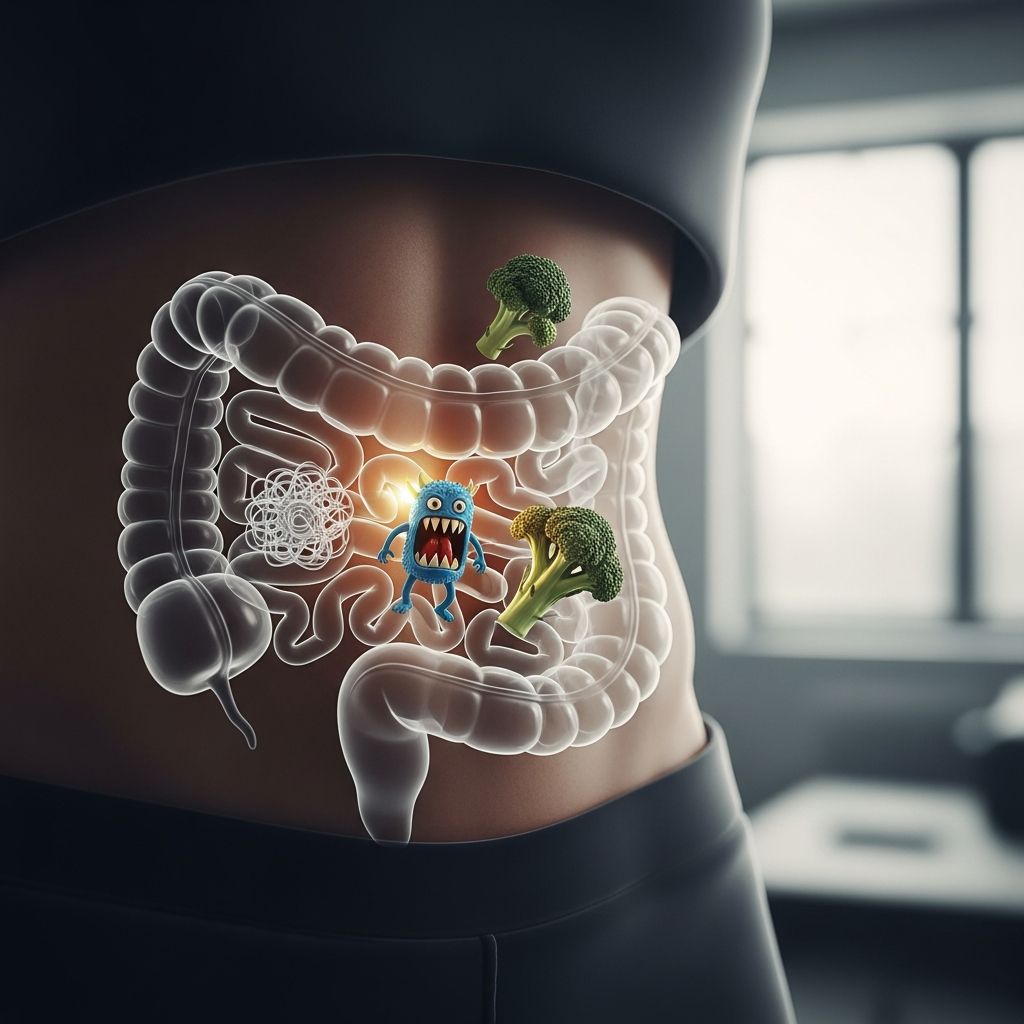
Irritable bowel syndrome (IBS) affects approximately 11% of adults worldwide and represents one of the most common functional gastrointestinal disorders, accounting for up to 50% of all gastrointestinal referrals in the United States. Despite its prevalence, many people struggle to understand what causes their IBS symptoms. The condition manifests differently in each person, making it challenging to pinpoint exact triggers. However, research has identified several key factors that contribute to IBS development and symptom exacerbation. Understanding these causes is essential for effective management and symptom relief.
The Three Primary Triggers Behind Most IBS Cases
Recent insights from gastroenterologists have revealed three surprising triggers that account for nearly 80% of IBS cases. These often-overlooked factors provide crucial information for anyone seeking to manage their symptoms effectively.
Untreated Food Poisoning and Post-Infectious IBS
One of the most significant discoveries in IBS research involves post-infectious IBS, which develops following acute infectious enteritis. Some patients experience their first IBS symptoms after viral, bacterial, protozoan, or helminth infections. This condition occurs when the digestive system doesn’t fully recover from an infection, leading to persistent gastrointestinal dysfunction. Research has shown that IBS symptoms can increase after infectious enteritis, suggesting a direct link between infection and long-term digestive problems. The mechanism behind this phenomenon requires further investigation, but it underscores the importance of properly treating infections to prevent long-term complications.
Chronic Stress and Psychological Factors
Psychological factors play a substantial role in IBS development and symptom severity. Stress, anxiety, and depression are well-established contributors to IBS symptoms, with research indicating that self-reported depression and anxiety confer a twofold increased risk for IBS onset. The gut-brain connection is particularly powerful in IBS, as these conditions fall under the category of disorders of gut-brain interaction. Studies demonstrate that individuals experiencing positive psychological well-being show significantly fewer symptoms and better quality of life, while negative psychological constructs such as catastrophizing and symptom hypervigilance exacerbate symptoms and amplify visceral hypersensitivity. Stress management and cognitive-behavioral therapy have emerged as effective treatment tools for many IBS sufferers.
Chronic Antibiotic Use and Microbiome Disruption
The overuse of antibiotics represents a critical yet often overlooked trigger for IBS development. Antibiotics disrupt the delicate balance of beneficial bacteria in the gut microbiome, potentially leading to small intestine bacterial overgrowth (SIBO) and other digestive complications. When the gut’s naturally occurring bacteria accumulate excessively in the small intestine, SIBO can develop, triggering or worsening IBS symptoms. Some research has shown that antibiotic treatment can decrease IBS symptoms in people with SIBO, though scientists continue investigating whether antibiotics directly affect SIBO or influence IBS through alternative mechanisms. This connection highlights the importance of judicious antibiotic use and microbiome restoration.
Understanding Contributing Factors and Risk Factors
Infection and Post-Infectious IBS
Beyond the immediate triggers mentioned above, infection remains a significant contributing factor in IBS development. The inflammatory response to infection can alter gut function permanently, even after the infection resolves. Several research studies have documented the increased prevalence of IBS symptoms following infectious enteritis, establishing a clear temporal relationship between infection and symptom onset. This understanding has led researchers to recommend comprehensive infection management and monitoring for symptom development in post-infection patients.
Neurohormonal Factors
IBS involves complex interactions between neurotransmitters and hormones that regulate digestive function. Neurotransmitters such as serotonin and dopamine, which are present in the digestive system, play crucial roles in regulating intestinal motility and sensation. Imbalances in these neurotransmitters can lead to abnormal bowel movements and visceral hypersensitivity. Additionally, reproductive hormones influence IBS severity, which explains why roughly twice as many women as men are affected by IBS in some countries. Hormonal fluctuations throughout the menstrual cycle can trigger symptom exacerbation in women, suggesting that hormone balance is critical for digestive health.
Related Stories



Food Sensitivities and Dietary Triggers
Each person with IBS experiences different dietary triggers, making personalized nutrition management essential. Common problematic foods include those high in fermentable carbohydrates, known as high-FODMAP foods (Fermentable Oligosaccharides, Disaccharides, Monosaccharides, and Polyols). These short-chain carbohydrates are prevalent in a regular diet but the small intestine does not absorb them well, leading to gas, bloating, and other symptoms. Beyond FODMAP sensitivity, specific foods commonly associated with IBS symptoms include coffee, caffeine, alcohol, high-fat foods, poorly-digested sugars like sorbitol and fructose, beans, and dairy products in people with lactose intolerance.
Fructose Malabsorption
In some individuals, IBS symptoms result specifically from the digestive system’s failure to absorb fructose effectively. Fructose, a natural sugar found in fruits and vegetables and commonly used as an artificial sweetener in processed foods, can ferment in the colon when not properly absorbed. This fermentation process produces gas and other byproducts that trigger gastrointestinal symptoms including gas, bloating, and diarrhea. For people whose IBS stems from fructose malabsorption, following a low-fructose diet can significantly reduce symptom severity.
Genetic and Family History Factors
Research indicates that genetics may play a role in IBS development, though evidence remains limited. People with a family history of irritable bowel syndrome are more likely to develop the condition than those without. Additionally, anxiety and mood disorders share genetic susceptibilities with IBS and other disorders of gut-brain interaction. This familial clustering suggests that both genetic predisposition and shared environmental factors contribute to IBS risk within families.
Distinguishing IBS from Other Conditions
It’s important to understand that IBS differs from inflammatory bowel disease (IBD), despite some overlapping symptoms. IBS only affects the function and behavior of the intestines and is not an autoimmune condition. However, people with IBD have a greater likelihood of developing IBS than the general population. Additionally, IBS-C (IBS with constipation) shares many symptoms with chronic idiopathic constipation (CIC), including bloating, abdominal pain, and infrequent, difficult bowel movements, yet current research suggests these are different conditions requiring different treatment approaches.
The Role of Bacterial Overgrowth
Small intestine bacterial overgrowth (SIBO) represents a significant factor in many IBS cases. When too many naturally occurring gut bacteria accumulate in the small intestine, they produce excessive gas and other fermentation byproducts that trigger IBS symptoms. Some research has linked SIBO directly to IBS development, and certain individuals show symptom improvement with antibiotic treatment targeting SIBO. However, the exact relationship between SIBO and IBS requires continued research to fully understand the mechanisms involved.
Dietary Management and Prevention Strategies
High-FODMAP Diet Considerations
Many people find it helpful to reduce or eliminate high-FODMAP foods from their diet. A low-FODMAP approach involves avoiding fermentable short-chain carbohydrates that the small intestine doesn’t absorb well. This dietary modification can significantly reduce symptoms in many individuals with IBS.
Fiber Intake Balance
While eating a high-fiber diet can improve stool quality and maintain gastrointestinal tract health, excessive fiber consumption can paradoxically cause gas and diarrhea in people with IBS. Finding the right fiber balance for individual tolerance is crucial.
Eating Habits Modification
Beyond food selection, eating behaviors significantly impact IBS symptoms. Eating more slowly can reduce gas and bloating by promoting better digestion and reducing the amount of air swallowed during meals. Additionally, identifying and avoiding personal food triggers through systematic elimination and reintroduction helps optimize individual dietary management.
Psychological Management and Stress Reduction
Given the powerful gut-brain connection in IBS, psychological interventions play a crucial role in symptom management. Cognitive-behavioral therapy (CBT) and other brain-gut behavior therapies help patients unlearn maladaptive thought patterns and develop healthier coping mechanisms. Stress management techniques, mindfulness practices, and addressing comorbid anxiety and depression can substantially improve both symptoms and quality of life. Research demonstrates that individuals with positive psychological well-being experience better health outcomes and greater adherence to beneficial health behaviors including physical activity and dietary modification.
Comprehensive Management Approach
Effective IBS management requires a multifaceted approach addressing all contributing factors. This includes identifying and treating underlying infections, managing stress through psychological interventions, optimizing the gut microbiome, implementing dietary modifications based on individual triggers, and maintaining regular physical activity. Current treatment approaches focus on symptom reduction through lifestyle modifications, patient education, pharmacotherapy when appropriate, and brain-gut behavior therapies rather than seeking a cure, as IBS is a chronic functional disorder requiring ongoing management.
Frequently Asked Questions About IBS Causes
Q: Can IBS be cured?
A: IBS is a chronic functional disorder that is managed rather than cured. Current treatments focus on symptom reduction through lifestyle modifications, dietary changes, stress management, and sometimes medications or behavioral therapies to improve quality of life and symptom control.
Q: Is IBS hereditary?
A: While genetics may play a role in IBS development, evidence remains limited. However, people with a family history of IBS are more likely to develop the condition. Shared environmental factors and genetic susceptibilities for anxiety disorders also contribute to familial clustering of IBS.
Q: Can infections cause IBS?
A: Yes, post-infectious IBS can develop following viral, bacterial, protozoan, or helminth infections. Some people experience their first IBS symptoms after acute infectious enteritis, suggesting a direct link between infection and long-term digestive dysfunction.
Q: How does stress contribute to IBS?
A: Stress and anxiety trigger the gut-brain axis, a powerful connection between psychological state and digestive function. Depression and anxiety confer a twofold increased risk for IBS onset, and negative psychological constructs exacerbate symptoms and worsen quality of life.
Q: What role do antibiotics play in IBS development?
A: Chronic antibiotic use disrupts the gut microbiome’s delicate bacterial balance, potentially leading to small intestine bacterial overgrowth (SIBO) and IBS symptoms. This highlights the importance of judicious antibiotic use.
Q: Which foods most commonly trigger IBS symptoms?
A: Common trigger foods include high-FODMAP foods, coffee, caffeine, alcohol, high-fat foods, dairy products in people with lactose intolerance, and foods containing fructose or sorbitol. However, triggers vary significantly between individuals.
Q: Is IBS the same as IBD?
A: No. IBS only affects intestinal function and behavior and is not an autoimmune condition, whereas IBD (inflammatory bowel disease) involves inflammation and damage to the digestive tract. However, people with IBD have a higher likelihood of developing IBS.
Q: Can SIBO cause IBS?
A: Small intestine bacterial overgrowth (SIBO) has been linked to IBS development. When too many naturally occurring bacteria accumulate in the small intestine, they produce excess gas and trigger IBS symptoms. Some individuals show improvement with antibiotic treatment.
References
- Irritable Bowel Syndrome (IBS): Symptoms, Self-Care & Treatment — Ada Health. 2025. https://ada.com/conditions/irritable-bowel-syndrome/
- Positive psychological well-being: A novel concept for improving health outcomes in irritable bowel syndrome — PMC/NIH. 2023. https://pmc.ncbi.nlm.nih.gov/articles/PMC10033392/
- Gastroenterologist reveals 3 triggers behind most IBS cases: untreated food poisoning, chronic stress, and chronic antibiotic use — Times of India. 2024. https://timesofindia.indiatimes.com/life-style/health-fitness/health-news/gastroenterologist-reveals-3-triggers-behind-most-ibs-cases/
Similar Articles








Read full bio of medha deb