Cauliflower vs. Whole-Wheat Pizza Crust: Which Is Healthier?
Discover which pizza crust reigns supreme: cauliflower or whole-wheat? We break down nutrition, benefits, and expert insights for smarter choices.
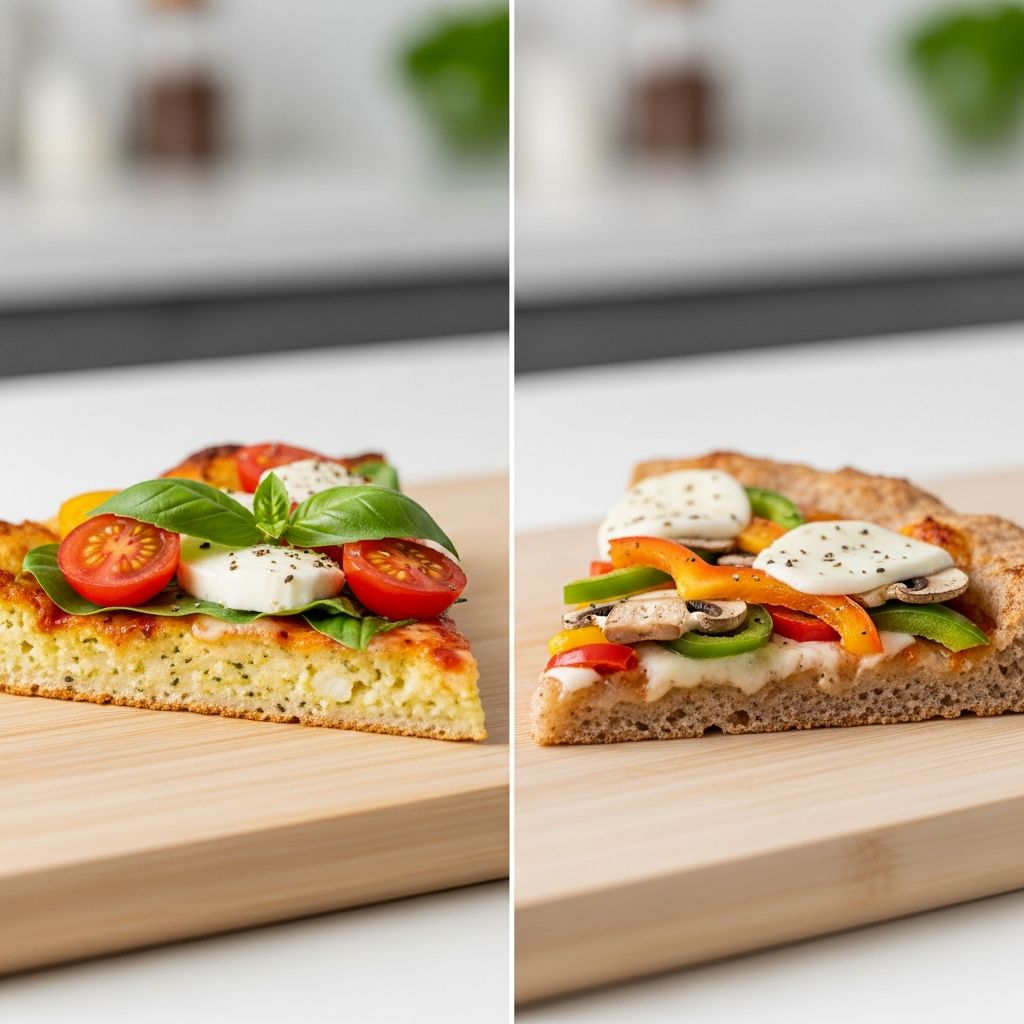
Cauliflower pizza crust has surged in popularity as a low-carb alternative to traditional dough, but does it truly outshine whole-wheat crust in terms of health benefits? Both options offer advantages over refined flour crusts, yet their nutritional profiles differ significantly based on ingredients, processing, and brand variations. This article dives deep into the comparison, examining calories, macronutrients, micronutrients, and real-world applications to help you decide which crust aligns best with your dietary goals—whether that’s weight management, blood sugar control, or simply enjoying pizza guilt-free.
A Dietitian’s Take
Registered dietitians emphasize that neither crust is universally “healthier”—it depends on your needs. “People often assume vegetable-based crusts are automatically superior due to the health halo around cauliflower, but labels tell the real story,” notes one expert. Cauliflower crusts can be lower in carbs, appealing for keto or low-carb diets, but many include eggs and cheese, boosting fat and cholesterol. Whole-wheat crusts, made from whole grains, provide steady energy, more inherent fiber, and a satisfying texture without added binders.
For weight loss, prioritize calories and satiety. High-protein, high-fiber options like whole-wheat or protein-enriched cauliflower crusts promote fullness. Cleveland Clinic dietitian Anna Taylor advises checking labels for serving size, total carbs, saturated fat, and fiber, as some cauliflower crusts match or exceed thin whole-wheat in calories.
Nutrition Face-Off: Breaking Down the Numbers
To compare fairly, we analyzed popular store-bought options. Note: Values are per 1/3 crust serving (about 56g) and vary by brand. Cauliflower crusts generally edge out in protein and net carbs but lag in fiber compared to whole-wheat.
| Cauliflower Crust (e.g., KBosh Foods) | Whole-Wheat Crust (e.g., Target) | Standard Refined Crust (e.g., Walmart) | |
|---|---|---|---|
| Calories | 93 | 110 | 146 |
| Fat | 7g | 1g | 2g |
| Cholesterol | 70mg | 0mg | 0mg |
| Sodium | 140mg | 105mg (varies) | High (often 200mg+) |
| Carbs | 2g | 14g | 25g+ |
| Fiber | 2g | 1-3g | 1g |
| Protein | 7g | 6g | 3g |
Key Insights: Cauliflower crust wins on
fewer carbs
(ideal for keto) andhigher protein
, aiding satiety. Whole-wheat offersmore consistent fiber
from whole grains, supporting digestion and blood sugar stability. Both beat refined crusts in fiber and protein, with fewer net carbs (total carbs minus fiber). However, cauliflower’s fat comes from cheese/eggs, potentially raising calories if over-portioned.Ingredient Deep Dive
- Cauliflower Crust: Primarily riced cauliflower, eggs, mozzarella, and binders like chickpea flour or almond flour. Provides veggie nutrients (vitamin C, K, antioxidants) but processing reduces some benefits. Not always vegan or lower-fat due to dairy.
- Whole-Wheat Crust: Whole wheat flour, water, yeast, olive oil. Retains bran and germ for B vitamins, magnesium, and fiber. Gluten-containing, but 100% whole-grain versions maximize nutrition without refined sugars.
Raw cauliflower per cup: 27 calories, 5g carbs, 2g fiber, 2g protein. Crust versions amplify protein via add-ins but may add sodium (105-140mg).
Health Benefits and Drawbacks
Benefits of Cauliflower Crust
- **Low-Carb Powerhouse:** 2-14g carbs vs. 20g+ in wheat, great for diabetes management or keto (net carbs often under 5g).
- **Weight Loss Friendly:** Higher protein/fiber boosts fullness, potentially reducing overall intake.
- **Gluten-Free:** Naturally suits celiac or gluten-sensitive diets.
- **Nutrient Boost:** Adds veggie volume with low calories.
Drawbacks of Cauliflower Crust
- Higher Fat/Cholesterol: Eggs/cheese push fat to 7g+ and cholesterol to 70mg.
- Variable Fiber: Often 1-2g, less than whole-wheat.
- Texture Issues: Can be soggy; requires pre-baking.
- Brand Variability: Some sneak in flour, negating low-carb perks.
Related Stories



Benefits of Whole-Wheat Crust
- **Superior Fiber:** 1-3g+ per serving aids gut health, cholesterol control.
- **Sustained Energy:** Complex carbs prevent spikes/crashes.
- **Lower Fat:** Typically 1g, no eggs/cheese needed.
- **Chewier Texture:** More satisfying, mimicking traditional pizza.
Drawbacks of Whole-Wheat Crust
- Higher Carbs: 14g+, not ideal for strict low-carb plans.
- Gluten Content: Avoid if intolerant.
- Calorie Dense: If thickened, calories climb.
Taste and Texture Test
Cauliflower crust offers a lighter, veggie-forward base but often needs foil to prevent sogginess and longer bake times. Whole-wheat delivers that classic bready chew with nutty flavor. Toppings matter: Load veggies on either for max nutrition. Dietitians recommend thin whole-wheat with abundant toppings over gimmicky crusts.
Which Should You Choose?
Pick Cauliflower If: Low-carb/keto, gluten-free, or boosting veggie intake is key. Opt for low-fat versions.
Pick Whole-Wheat If: Seeking fiber, balanced macros, or traditional taste. Choose 100% whole-grain, thin styles.
Ultimately, the “healthiest” pizza balances crust, sauce (low-sugar), and toppings (veggie-heavy, lean proteins). Portion control trumps crust type—enjoy moderately.
Easy Homemade Recipes
Simple Cauliflower Crust
- Pulse 1 head cauliflower into rice; microwave 8 mins, squeeze dry.
- Mix with 1 egg, 1 cup mozzarella, herbs, salt.
- Press onto parchment-lined pan; bake 10-15 mins at 425°F.
- Add toppings; bake 10 more mins.
Whole-Wheat Dough
- Combine 1 cup whole-wheat flour, ¾ cup warm water, 1 tsp yeast, 1 tsp olive oil, pinch salt.
- Knead 5 mins; rise 1 hr.
- Roll thin; pre-bake 8 mins at 450°F; top and finish.
Homemade lets you control sodium/fat for optimal health.
Frequently Asked Questions (FAQs)
Is cauliflower pizza crust actually healthier?
It can be lower in carbs and calories than traditional crusts, but check labels—some have more fat from cheese/eggs. Better than refined flour, comparable to whole-wheat.
Does cauliflower crust have more fiber than whole-wheat?
Not always; whole-wheat often provides more (2-3g vs. 1-2g). Cauliflower adds veggies but processing limits fiber.
Is cauliflower crust good for weight loss?
Yes, if lower-calorie overall. Protein/fiber promotes fullness, but toppings/sauce impact total calories.
Can cauliflower crust be vegan?
Some brands are (no eggs/cheese), but many aren’t. Check ingredients.
How many carbs in cauliflower vs. whole-wheat crust?
Cauliflower: 2-14g; Whole-wheat: 14-25g per serving. Net carbs lower in cauliflower.
Final Verdict
Both cauliflower and whole-wheat crusts upgrade pizza nutrition over refined versions. Cauliflower suits low-carb lifestyles; whole-wheat excels in fiber and taste. Read labels, balance toppings, and prioritize enjoyment—pizza can fit any healthy diet.
References
- Cauliflower Pizza: Nutrients, Benefits, and a Healthy Recipe — Healthline. 2023-10-15. https://www.healthline.com/nutrition/is-cauliflower-pizza-healthy
- Cauliflower Pizza Crust: A Healthier Alternative to Traditional Crusts? — OzHelp. 2024-05-20. https://ozhelp.org.au/blog/health/cauliflower-pizza-crust-a-healthier-alternative-to-traditional-crusts.html
- Is Cauliflower Crust Better Than Whole-Wheat Crust for Your Pizza? — Cleveland Clinic. 2023-08-12. https://health.clevelandclinic.org/is-cauliflower-crust-better-than-whole-wheat-crust-for-your-pizza
- Discover Our Pizza Crust with Cauliflower — Just About Foods. 2024-02-10. https://justaboutfoods.com/blogs/healthy-living/discover-our-pizza-crust-with-cauliflower-the-perfect-base-for-a-healthy-pizza
- Is Cauliflower-Crust Pizza a Healthier Choice? — Angelina’s Villa. 2023-11-05. https://angelinasvilla.com/is-cauliflower-crust-pizza-a-healthier-choice/
Similar Articles








Read full bio of Sneha Tete