Detox Diets: Complete Guide To Myths, Risks & Safe Alternatives
Uncover the truth behind detox diets: Do they really cleanse your body, or is your liver doing the work already?
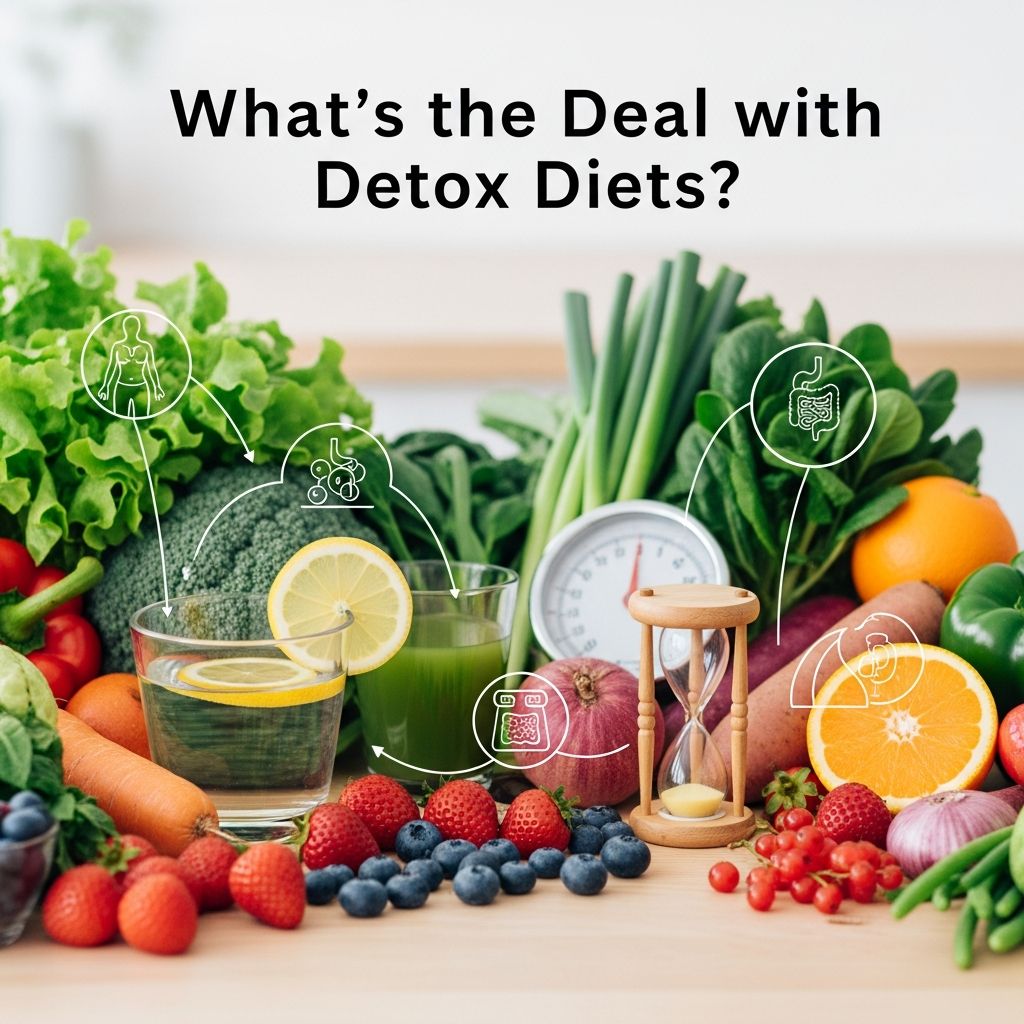
Detox diets have surged in popularity, promising to flush toxins, melt fat, and restore vitality through juices, fasts, or restrictive meal plans. But amid the hype, questions linger: Do these regimens truly ”detox” the body, or are they overhyped trends with limited scientific backing? This article dives into the science, examining how your body naturally handles detoxification, the realities of detox claims, associated risks, and sustainable alternatives for better health.
How the Body Naturally Detoxifies
Your body is a master detoxifier, operating 24/7 without needing special diets or supplements. The
liver
,kidneys
,lungs
,skin
, andgastrointestinal tract
work synergistically to filter, neutralize, and eliminate harmful substances like alcohol, medications, pollutants, and metabolic waste.- Liver: Processes toxins in two phases—Phase I breaks them down via enzymes, Phase II makes them water-soluble for excretion. It requires nutrients like B vitamins, antioxidants, and amino acids from a balanced diet.
- Kidneys: Filter blood, removing waste through urine. Adequate hydration is key, but no juice cleanse accelerates this.
- Guts and Skin: Eliminate via feces and sweat, supported by fiber-rich foods and exercise.
Detox diets often ignore this built-in system, claiming external aids are necessary. In reality, overloading with laxatives or fasting can hinder these processes, suppressing liver enzymes or causing nutrient gaps.
What Are Detox Diets?
Detox diets vary widely but typically last 1–30 days and emphasize ”cleansing” through elimination. Common types include:
- Juice Cleanses: Only fruit/vegetable juices, often 500–1,000 calories/day.
- Fasting Protocols: Water, herbal teas, or bone broth only.
- Restricted Food Plans: Organic veggies, fruits, gluten-free grains, nuts; exclude processed foods, dairy, gluten, caffeine, alcohol.
- Supplement-Based: Teas, pills, or shakes with laxatives like senna.
Proponents tout benefits like rapid weight loss, glowing skin, and energy surges. However, clinical evidence is scant—most studies show short-term effects from calorie cuts, not toxin removal.
Do Detox Diets Work?
The short answer: Not for true detoxification. While some report feeling lighter, this stems from water loss, glycogen depletion, and reduced bloating—not toxin elimination beyond the body’s norm.
| Claim | Evidence | Source |
|---|---|---|
| Rapid Weight Loss | Mostly water/glycogen; regains quickly. One study: Calorie-restricted detox led to 3.22kg loss vs. 1.88kg standard, but no superior fat reduction. | |
| Toxin Flush | No proof; body detoxes naturally. Extreme plans may impair liver function. | |
| Boosted Energy/Skin | Placebo or hydration effects; risks outweigh. |
A 2020 NIH study on a plant-based ”Wellnessup Diet” (WD) found modest benefits in trace element reduction and fat loss via calorie restriction, but it didn’t outperform standard calorie-restricted diets (CRD). No safety issues, yet sustainability was questioned.
Potential Benefits of Detox Diets
Not all aspects are myth. Moderated approaches can yield positives:
- Encourages Whole Foods: Fruits, veggies, lean proteins boost fiber, vitamins—supporting digestion and reducing inflammation.
- Hydration Focus: More water aids kidneys, curbs overeating.
- Habit Reset: Short-term cut of processed foods/sugars may lessen cravings, improve gut health.
- Short-Term Loss: Up to 5–10lbs in days, motivating healthier habits—if transitioned well.
Per UChicago Medicine, non-extreme shifts to unprocessed foods mimic ”detox” benefits safely.
Related Stories



Detox Diet Dangers and Risks
Extreme detoxes pose real threats, especially for vulnerable groups (pregnant, elderly, those with conditions).
- Nutrient Deficiencies: Eliminating groups risks lacks in protein, fats, vitamins—leading to fatigue, hair loss.
- Calorie Crash: Low intake causes dizziness, irritability, muscle loss.
- GI Issues: Laxatives induce diarrhea, dehydration, electrolyte imbalance.
- Rebound Weight: 90% regain post-diet; yo-yo harms metabolism.
- Worse for Liver: Ironically, fatty liver benefits more from sustained changes than cleanses.
BDA warns fasting limits essentials, causing tiredness and poor focus. NCCIH notes risks like malabsorption from diarrhea.
Foods to Eat (and Avoid) on a Detox
If trying a detox-inspired plan, prioritize nutrient-dense foods over extremes:
Best Foods
- Leafy greens (kale, spinach): Antioxidants for liver Phase II.
- Cruciferous veggies (broccoli): Sulfur aids detox enzymes.
- Berries, citrus: Vitamin C boosts glutathione.
- Whole grains (quinoa): Fiber binds toxins.
- Lean proteins (fish, legumes): Amino acids for Phase I/II.
- Lots of water, herbal teas (dandelion, ginger).
Foods to Limit
- Processed sugars, sodas: Spike inflammation.
- Excess alcohol/caffeine: Overburdens liver.
- Fried/processed meats: Add toxins.
Aim for balance: 1,200–1,800 calories/day, per BDA guidelines.
Healthier Alternatives to Detox Diets
Support natural detox sustainably:
- Balanced Diet: Emphasize plants, fiber (25–30g/day), healthy fats.
- Exercise: Sweating, circulation enhance elimination.
- Sleep: 7–9 hours; liver repairs nocturnally.
- Hydrate: 8–10 cups water daily.
- Limit Toxins: Reduce alcohol, quit smoking, choose organics when possible.
MD Anderson stresses gradual changes prevent malnutrition. A sample day: Oatmeal with berries breakfast; veggie stir-fry lunch; grilled salmon salad dinner; herbal tea snacks.
Frequently Asked Questions (FAQs)
Do detox diets remove toxins from the body?
No, your liver and kidneys handle that naturally. Diets may aid via nutrition but don’t ”flush” extras.
Can detox diets help with weight loss?
Short-term yes, via calories, but unsustainable; most regain weight. Focus on lifelong habits.
Are juice cleanses safe?
Often not—low calories cause crashes, deficiencies. Limit to 1–3 days max, consult pros.
Who should avoid detox diets?
Pregnant/breastfeeding, diabetics, eating disorder history, kids/elderly.
How long should a detox last?
1–7 days max; longer risks harm. Transition to balanced eating.
Bottom Line
Detox diets sound appealing but lack evidence for superior cleansing. Your body excels at it—support via whole foods, movement, rest. Consult a Registered Dietitian for personalized plans avoiding fads. Extreme cleanses risk more harm than good; opt for sustainable wellness.
References
- Detox Diet Plan: Benefits, Risks, And A 1-Day Meal Plan — Berry Street. 2023. https://www.berrystreet.co/blog/detox-diet-plan
- Effect of toxic trace element detoxification, body fat reduction… — NIH/PMC. 2020-06-15. https://pmc.ncbi.nlm.nih.gov/articles/PMC7310262/
- Detox Diets — British Dietetic Association (BDA). 2023. https://www.bda.uk.com/resource/detox-diets.html
- What’s the Deal with Detox Diets? — Academy of Nutrition and Dietetics. 2023. https://www.eatright.org/health/wellness/diet-trends/whats-the-deal-with-detox-diets
- Is detoxing good for you? — UChicago Medicine. 2022-12. https://www.uchicagomedicine.org/forefront/gastrointestinal-articles/2022/december/do-detoxes-work
- “Detoxes” and “Cleanses”: What You Need to Know — NCCIH/NIH. 2023. https://www.nccih.nih.gov/health/detoxes-and-cleanses-what-you-need-to-know
- Detoxes, cleanses and fasts: What you should know — MD Anderson Cancer Center. 2020. https://www.mdanderson.org/cancerwise/detoxes–cleanses-and-fasts–what-you-should-know.h00-159775656.html
Similar Articles








Read full bio of Sneha Tete