Mental Health And Heart Disease: 5 Disorders Raising Heart Risk
Discover the bidirectional connection between mental health conditions and heart disease, exploring risks, mechanisms, and integrated care strategies.
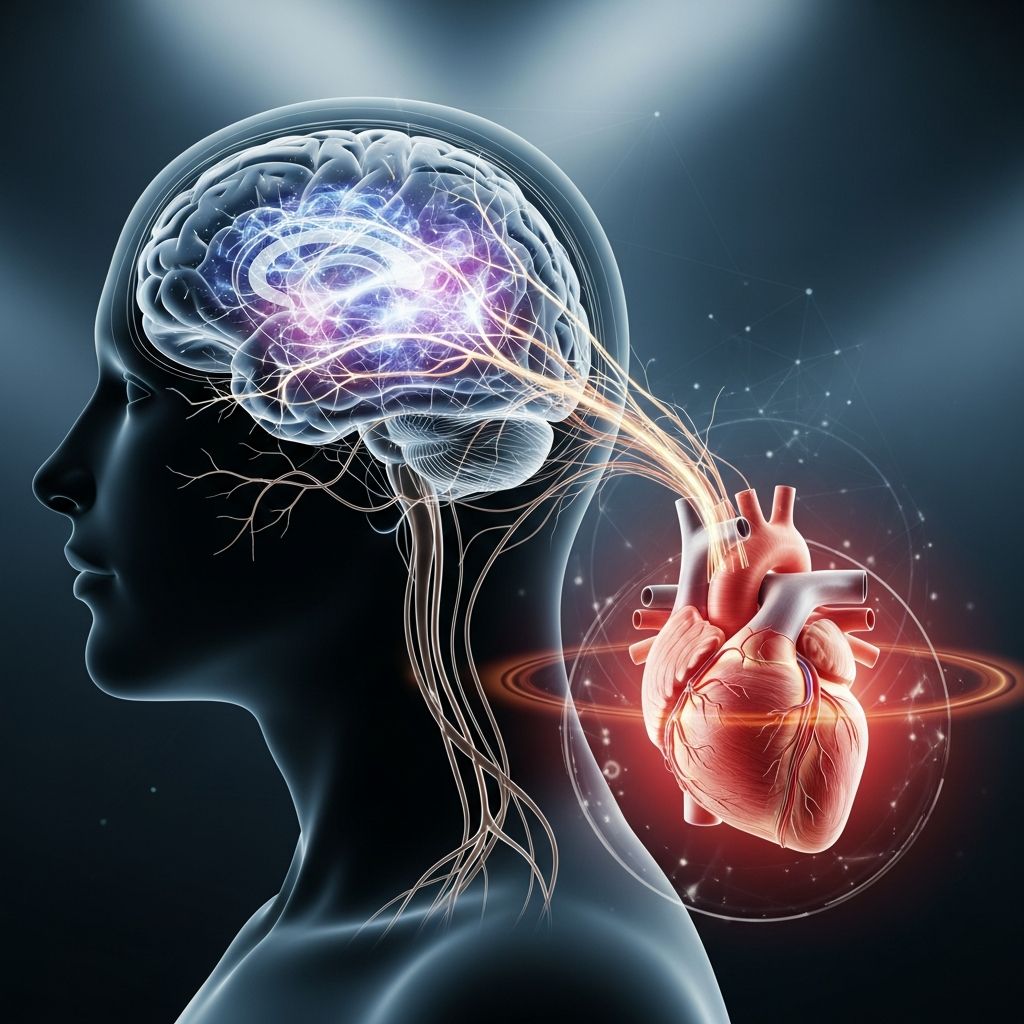
The interplay between mental health and cardiovascular disease (CVD) represents a critical public health challenge. Nearly half of U.S. adults live with some form of CVD, while 1 in 4 experience a mental health disorder in their lifetime, creating significant overlap. Research demonstrates that conditions like depression, anxiety, PTSD, bipolar disorder, and schizophrenia elevate CVD risk by 50-100%, with even higher impacts on prognosis for those already diagnosed.
How does mental health affect heart health?
Mental health disorders profoundly influence cardiovascular function through multiple pathways. Chronic stress from depression or anxiety triggers sustained activation of the body’s stress response systems, leading to elevated heart rates, blood pressure, and inflammation—key drivers of atherosclerosis and heart events.
Individuals with depression are 72% more likely to develop CVD, PTSD patients face a 57% increased risk, and those with schizophrenia see nearly a 100% elevation. Behavioral factors exacerbate this: people with mental health issues often smoke, consume alcohol excessively, eat poorly, or remain sedentary, compounding physiological damage.
- Depression: Doubles mortality in existing CVD patients and links to poor adherence to medications and lifestyle changes.
- Anxiety disorders: Panic disorder (50% risk increase) and phobic anxiety (70%) promote chronic hypertension via autonomic dysregulation.
- PTSD and bipolar: 57-61% higher CVD incidence, tied to HPA axis hyperactivity and metabolic changes.
Women face amplified risks; they are twice as likely to develop depression, which further heightens heart disease susceptibility through insomnia, inactivity, and non-adherence. A 2023 study of young adults confirmed a graded relationship: more poor mental health days correlate with higher CVD odds and suboptimal cardiovascular health.
How does heart disease affect mental health?
The relationship is bidirectional. Cardiac events like heart attacks or heart failure often precipitate depression, anxiety, or PTSD, with 20-40% of post-event patients meeting major depressive disorder criteria. Diagnosis of CVD increases psychiatric disorder risk by 2.7 times within a year, even after adjusting for family history and demographics.
Those developing mental illness post-CVD diagnosis face a 55% higher heart-related mortality risk. Stress, fear, and frustration from living with heart disease disrupt sleep, activity levels, and treatment compliance, creating a vicious cycle. Over 40% of CVD patients also have mental health conditions, underscoring this interplay.
| Mental Health Condition | CVD Risk Increase | Post-CVD Mental Health Impact |
|---|---|---|
| Major Depression | 72% | 2x mortality; 20-40% post-event MDD |
| PTSD | 57% | Heightened stress responses |
| Bipolar Disorder | 61% | Poor prognosis |
| Anxiety/Panic | 50-70% | Increased readmission |
| Schizophrenia | ~100% | Autonomic dysregulation |
Why is there a link between mental health and heart disease?
Beyond behaviors, biological mechanisms drive this connection. Dysregulation in the autonomic nervous system (ANS) and hypothalamic-pituitary-adrenal (HPA) axis—key stress regulators—creates chronic inflammation, metabolic issues, hypertension, and vascular resistance. ANS controls heart rate, blood pressure, and immune responses; HPA influences cortisol and metabolism, both implicated in CVD.
Chronic stress elevates inflammatory markers like C-reactive protein, accelerating plaque buildup. Biochemical changes in mental disorders predispose individuals to heart issues, independent of lifestyle. CDC research highlights pathways like chronic inflammation, cardiac reactivity, and coronary calcification linking mental health to long-term CVD outcomes.
Related Stories



Prediction models fail to incorporate mental health, underestimating risks. Familial studies show shared genetic/environmental factors amplify tandem risks.
Can treating mental health improve heart health?
Addressing mental health yields cardiovascular benefits. Integrated care reduces readmissions and mortality. Antidepressants, therapy, and stress management lower inflammation and improve adherence.
Screening for depression in CVD patients and vice versa is crucial. Yale’s Allison Gaffey notes over 40 years of evidence linking chronic stress/depression to CVD, advocating psychological interventions. Multidisciplinary teams—cardiologists, psychiatrists, social workers—offer holistic support. Lifestyle interventions targeting both (exercise, mindfulness) show promise.
What can you do to protect your heart health?
Proactive steps mitigate risks:
- Monitor mental health: Seek help for persistent sadness, anxiety, or stress; early intervention prevents escalation.
- Adopt heart-healthy habits: Exercise 150 minutes weekly, eat a Mediterranean diet, quit smoking, limit alcohol.
- Screen regularly: Discuss mental health with your cardiologist and CVD risks with your therapist.
- Practice stress reduction: Mindfulness, yoga, or cognitive behavioral therapy (CBT) regulate ANS/HPA responses.
- Build support networks: Engage family/friends for accountability in treatment adherence.
Johns Hopkins recommends prioritizing youth mental health screening to curb premature CVD. Women should be vigilant given higher depression rates.
Frequently Asked Questions (FAQs)
Can depression cause heart disease?
Yes, depression increases CVD risk by 72% via inflammation, poor behaviors, and stress dysregulation. It also doubles mortality post-heart event.
Does heart disease lead to depression?
Absolutely; 20-40% of heart event survivors develop major depression, raising heart mortality by 55% if untreated.
How does stress affect the heart?
Chronic stress dysregulates ANS and HPA, causing hypertension, inflammation, and metabolic changes that promote atherosclerosis.
Should I screen for mental health if I have heart issues?
Yes, CDC and AHA urge routine mental health screening in CVD patients to improve outcomes and adherence.
Can therapy help my heart health?
Yes, CBT and stress management reduce CVD risks by lowering inflammation and enhancing lifestyle compliance.
This comprehensive overview highlights the urgent need for unified mental-cardiac care. By addressing both, individuals can significantly lower risks and enhance quality of life.
References
- Emory report shows connection between mental health and heart disease — Emory University. 2025-08-28. https://news.emory.edu/stories/2025/08/hs_mental_health_cardiac_disease_28082025/story.html
- Unraveling the Link Between Mental Health and Cardiovascular Disease — Cardiometabolic Health Congress. 2024. https://www.cardiometabolichealth.org/unraveling-the-link-between-mental-health-and-cardiovascular-disease/
- Understanding the links between cardiovascular and psychiatric diseases — PMC (Peer-reviewed). 2022-12. https://pmc.ncbi.nlm.nih.gov/articles/PMC9718521/
- The Link Between Mental Health and Heart Disease — WomenHeart. 2023. https://www.womenheart.org/the-link-between-mental-health-and-heart-disease/
- Mental Health and Heart Health — American Heart Association. 2024. https://www.heart.org/en/healthy-living/healthy-lifestyle/mental-health-and-wellbeing/mental-health-and-heart-health
- About Heart Disease and Mental Health — Centers for Disease Control and Prevention (CDC). 2025. https://www.cdc.gov/heart-disease/about/about-heart-disease-and-mental-health.html
Similar Articles








Read full bio of Sneha Tete