Sunscreen Safety: Expert Guide To Ingredients, Myths, Benefits
Navigating sunscreen safety concerns, FDA reviews, and proven benefits for skin cancer prevention amid swirling controversies.
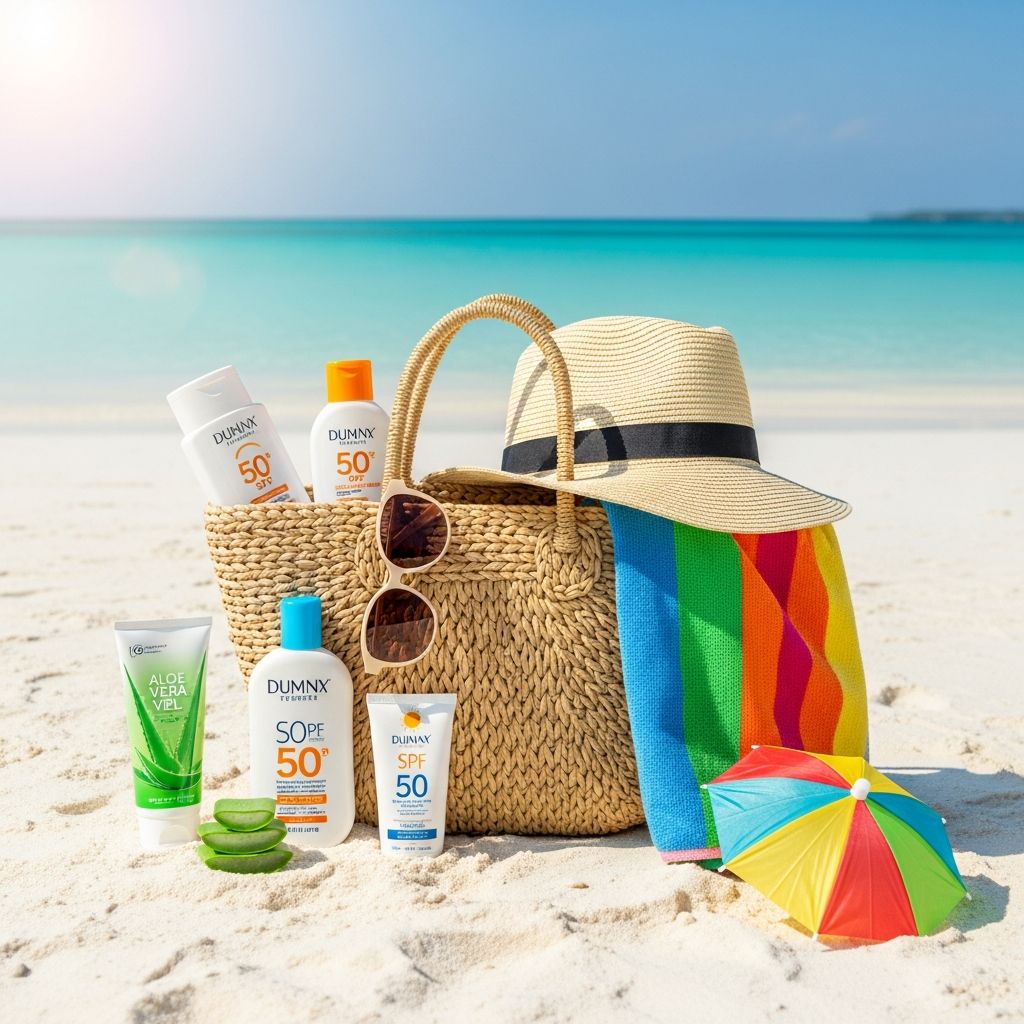
Sunscreens have been shown to help prevent skin cancer, the most common cancer in the world. When headlines focus on sunscreen safety allegations, they 99re not always based on strong scientific evidence. Still, consumers may worry about the products they use, or even stop using them, which could put their health at risk.
In recent years, controversy has swirled particularly around certain ingredients in sunscreens. Understanding the science behind these products is crucial for making informed choices about sun protection. This article breaks down the key issues, expert opinions, and practical advice to help you stay protected.
The FDA’s Sunscreen Review
The U.S. Food and Drug Administration (FDA) has been reevaluating sunscreen ingredients to ensure they meet modern safety standards. According to former FDA director Scott Gottlieb, “some of the essential requirements for these preventive tools haven 99t been updated in decades.” Hence the agency 99s decision to reassess several key ingredients and determine if they are GRASE 94 generally recognized as safe and effective.
At the time of the announcement, the FDA stated that only two of the 16 active ingredients in commercial sunscreens 94 zinc oxide and titanium dioxide 94 achieve GRASE status. Two others, PABA and trolamine salicylate, are no longer permitted. For the remaining 12 ingredients, the FDA requested additional data. Importantly, this does not mean these ingredients are unsafe; it means more research is needed to confirm GRASE under current guidelines.
The Skin Cancer Foundation welcomes this scrutiny and urges the FDA to approve new sunscreen ingredients stuck in review for nearly two decades. Since 2000, no new sunscreen active ingredients have been added to the FDA’s approved list in the U.S., limiting options for better UVA protection.
- GRASE ingredients: Zinc oxide, titanium dioxide 94 mineral blockers that sit on the skin’s surface.
- Under review (12 ingredients): Include chemical filters like avobenzone, oxybenzone, octocrylene 94 absorbed into the skin to convert UV rays to heat.
- Banned: PABA, trolamine salicylate.
FDA studies in 2019 and 2020 showed that ingredients like oxybenzone exceed a 0.5 ng/mL absorption threshold, but the accompanying editorial emphasized: 94These studies do not provide any evidence that chemical sunscreens cause harm. 95
An Ingredient in the Spotlight: Oxybenzone
Oxybenzone, a common ingredient in chemical sunscreens, has drawn significant attention. It provides broad-spectrum protection against both UVB (which causes sunburn) and UVA rays (linked to tanning, wrinkles, and deeper skin damage).
Concerns stem from animal studies where rats fed high doses of oxybenzone orally showed hormone disruptions. However, Dr. Elizabeth Buzney, MD, assistant professor at Harvard Medical School and member of the Skin Cancer Foundation 99s Photobiology Committee, clarifies: 94Unlike the rats, people don 99t eat it, and virtually no one practices 91perfect use, 92 in which they apply 94and reapply 94 sunscreen in the full amount recommended. 95
A human study on whole-body applications in men and postmenopausal women found temporary hormone variations that resolved with continued use, concluding no link to sunscreen. Oxybenzone appears in breast milk and urine due to absorption, but absorption does not equal toxicity.
Related Stories



| Ingredient Type | Examples | Mechanism | Pros | Concerns |
|---|---|---|---|---|
| Mineral | Zinc oxide, Titanium dioxide | Reflect/Scatter UV | GRASE by FDA, Less absorption | May leave white cast |
| Chemical | Oxybenzone, Avobenzone, Octocrylene | Absorb & Convert UV to heat | Broad-spectrum, Clear finish | Under FDA review for absorption |
Despite decades of use, no evidence links oxybenzone to harm in humans at typical application levels.
Sunscreen Safety: Debunking Myths
Misinformation claiming sunscreen causes skin cancer circulates widely on social media. Experts unanimously refute this: 94There is absolutely no evidence that sunscreen causes skin cancer. This claim is false, it has no scientific basis and endangers public health, 95 states Dr. Deborah S. Sarnoff, MD, president of the Skin Cancer Foundation.
UV radiation is a proven carcinogen, causing most skin cancers. Sunscreen, as part of a sun protection strategy, prevents them. Dr. Elizabeth Buzney adds: 94What we do know is that the sun causes most skin cancers. That is absolutely proven. 95
If you have prior sun damage, skin cancer may develop later despite current sunscreen use 94 not because of it. Stopping sunscreen increases risk.
- Myth: Sunscreen causes cancer.
- Fact: No evidence; UV causes cancer, sunscreen prevents it.
- Myth: Chemical sunscreens are toxic.
- Fact: Absorption occurs but no proven harm; mineral options available.
Proven Benefits of Sunscreen
Landmark research confirms sunscreen’s role in prevention. Regular use of SPF 15+ reduces squamous cell carcinoma (SCC) risk by 40% and melanoma by 50%.
Sunscreen also prevents premature aging: wrinkles, sagging, age spots. One in five Americans develops skin cancer by age 70 94 sunscreen is a vital tool.
The Skin Cancer Foundation’s recommendations are evidence-based, promoting sunscreen alongside shade, clothing, hats, and sunglasses.
If You Are Concerned
Dr. Buzney advises pregnant or breastfeeding individuals to avoid chemical sunscreens with oxybenzone out of caution, opting for mineral-based products. Everyone should continue comprehensive sun protection.
Recent passage of the SAFE Sunscreen Standards Act (2025) aims to streamline FDA approvals for new ingredients, expanding safe options.
The Skin Cancer Foundation Is on the Case!
The Skin Cancer Foundation monitors science via its Photobiology Committee, collaborating with experts. Their advice:
- Use broad-spectrum SPF 30+ sunscreen daily.
- Apply 30 minutes before sun exposure; reapply every 2 hours, after swimming/sweating.
- Seek shade, wear protective clothing, wide-brimmed hats, UV sunglasses.
- Avoid tanning beds.
- Perform regular skin self-exams; see a dermatologist annually.[10]
Don’t stop using sunscreen 94 it saves lives.
Frequently Asked Questions (FAQs)
What does FDA’s GRASE mean for sunscreens?
GRASE stands for Generally Recognized as Safe and Effective. Only zinc oxide and titanium dioxide currently qualify; others need more data but are not banned.
Does sunscreen cause skin cancer?
No. Zero evidence supports this; sunscreen prevents UV-induced cancers.
Is oxybenzone safe?
Decades of use show no human harm at normal doses. Concerned? Choose mineral sunscreens.
How should I use sunscreen?
Broad-spectrum SPF 30+, apply generously 30 min before sun, reapply every 2 hours or after water/sweat.
What’s a complete sun protection strategy?
Sunscreen + shade + clothing + hats + sunglasses. No single method suffices.
Are there new sunscreen developments?
The 2025 SAFE Sunscreen Act will help approve innovative filters faster.
References
- Sunscreen Does NOT Cause Skin Cancer: Dr. Sarnoff Wants You to Know 94 Skin Cancer Foundation. 2023. https://www.skincancer.org/blog/sunscreen-does-not-cause-skin-cancer-dr-sarnoff-wants-you-to-know/
- Skin Cancer Issues and Research 94 Skin Cancer Foundation. 2023. https://www.skincancer.org/media-and-press/skin-cancer-issues-and-research/
- Sunscreen Safety: The Facts 94 Skin Cancer Foundation. 2023. https://www.skincancer.org/blog/sunscreen-safety/
- Skin Health Misinformation: The Dark Side of Social Influencers 94 Skin Cancer Foundation. 2023. https://www.skincancer.org/blog/skin-health-misinformation-the-dark-side-of-social-influencers/
- What’s the Sunscreen Situation? 94 Skin Cancer Foundation. 2023. https://www.skincancer.org/blog/whats-the-sunscreen-situation/
- Sunscreen 94 Skin Cancer Foundation. 2023. https://www.skincancer.org/skin-cancer-prevention/sun-protection/sunscreen/
Similar Articles








Read full bio of Sneha Tete