Wheezing In Young Children: What Parents Need To Know
Understand the causes, symptoms, and care for wheezing in toddlers and infants to ensure timely medical support.
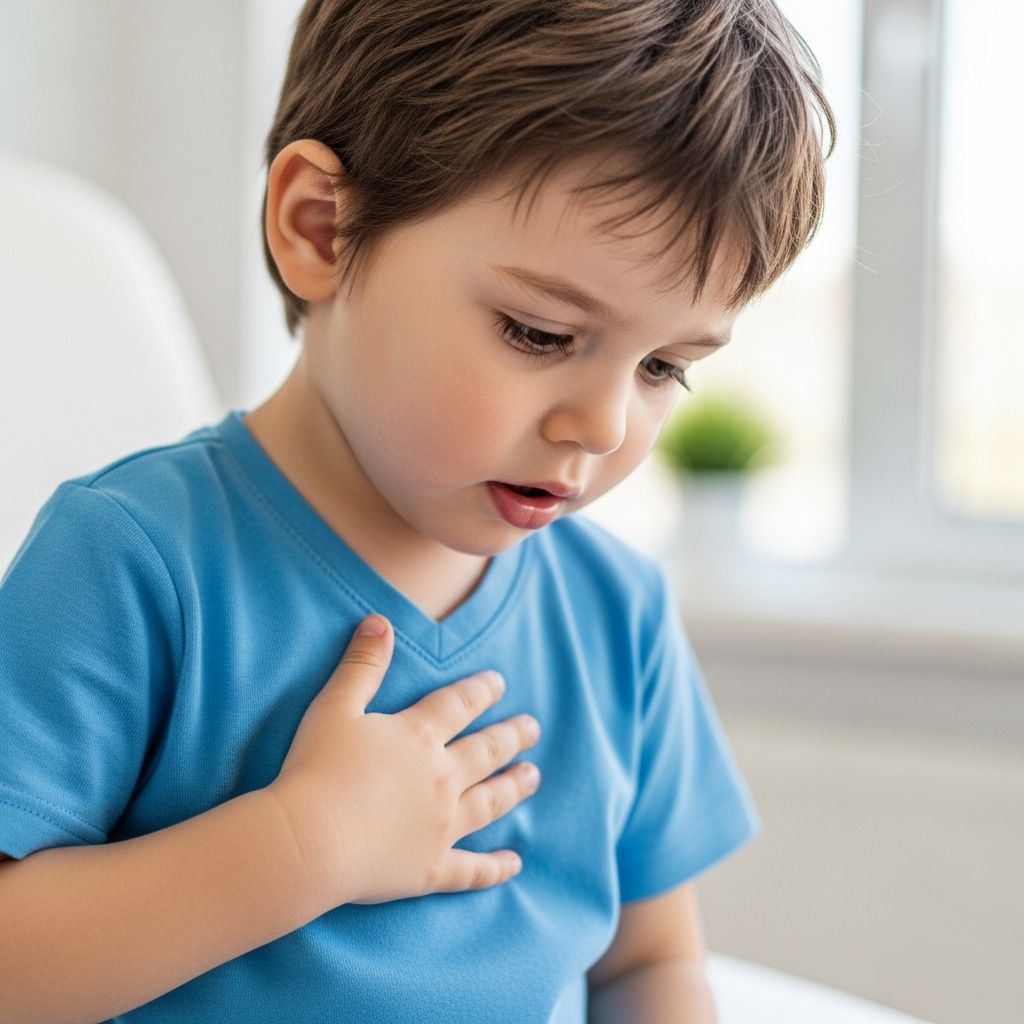
Wheezing, characterized by a high-pitched whistling sound during breathing, is a frequent concern for parents of children under five years old. This symptom arises from narrowed or obstructed small airways, often due to infections or inflammation, and requires prompt attention to prevent complications.
Recognizing the Sound and Signs of Wheezing
The distinctive whistle of wheezing typically occurs during exhalation as air forces through constricted bronchioles, though severe cases may produce it on inhalation too. In young children, smaller airways make them particularly susceptible, amplifying even minor obstructions into audible symptoms.
Accompanying signs often include persistent cough, rapid breathing, nasal flaring, chest retractions, and sometimes fever or feeding issues. These indicate the body’s struggle to move air effectively, especially in infants whose respiratory systems are still developing.
Primary Causes Behind Wheezing Episodes
Most wheezing in preschoolers stems from viral respiratory infections, which inflame and narrow airways. Understanding these triggers helps parents anticipate and respond effectively.
Viral Infections as the Leading Culprit
Respiratory syncytial virus (RSV) tops the list, particularly causing bronchiolitis in babies under two, peaking between 6-12 months. Other viruses like rhinovirus, metapneumovirus, and parainfluenza also provoke episodes, often during cold seasons from November to May.
These infections universally affect infants, but only those with predispositions—such as small lung capacity or prematurity—develop wheezing illnesses. Bacteria in airways can exacerbate viral effects, prolonging symptoms.
Asthma and Allergic Triggers
Recurrent wheezing signals possible early asthma, especially if episodic and linked to allergens, exercise, or family history of atopy like eczema or hay fever. Unlike one-off viral wheeze, asthma involves ongoing airway hypersensitivity.
Preschool wheeze may evolve into asthma if patterns persist beyond viral colds, with triggers including dust, pets, pollen, pollution, or smoke from candles and cleaners.
Rare but Serious Underlying Conditions
While viruses dominate acute cases, persistent or early-onset wheezing (from birth) warrants investigation for structural issues like tracheomalacia, vascular rings, or cysts compressing airways. These don’t respond to standard treatments and require imaging.
Functional disorders include gastroesophageal reflux (GERD) causing aspiration, bronchopulmonary dysplasia in preemies, ciliary dyskinesia leading to chronic infections, or even heart-related issues like failure. Cystic fibrosis or immunodeficiencies present with recurrent illnesses and poor growth.
| Type | Examples | Age of Onset | Key Features |
|---|---|---|---|
| Common (Acute) | RSV bronchiolitis, Viral wheeze | Under 2 years | Fever, runny nose, resolves in days |
| Common (Recurrent) | Asthma, Allergies | After 2 years | Triggers like pollen, family history |
| Uncommon | GERD, Foreign body | Any | Sudden onset, feeding difficulties |
| Rare | Vascular ring, Cystic fibrosis | Neonatal | Persistent, fails asthma therapy |
When Wheezing Demands Immediate Action
Related Stories



Not all wheezing is benign; escalation signals trouble. Seek emergency care if your child shows cyanosis (bluish lips/skin), extreme distress with grunting or head bobbing, inability to feed, or lethargy despite oxygen struggles. Tachypnea over 60-70 breaths per minute in infants or severe retractions also necessitate urgent evaluation.
- Monitor for dehydration from poor intake.
- Track symptom duration: acute lasts hours to days; chronic persists weeks.
- Note patterns: seasonal (RSV winter), episodic (asthma), or constant (anatomic).
Diagnostic Approaches for Accurate Identification
Pediatricians start with history: onset timing, triggers, family allergies, and seasonality. Physical exams reveal wheezing phase, oxygen levels, and distress signs. For recurrent cases, tests like chest X-rays rule out foreign bodies or anomalies; spirometry suits older preschoolers; allergy testing or sweat tests probe deeper causes.
Differentiating viral wheeze from asthma is key—former ties to colds without interim symptoms, latter occurs independently.
Treatment Strategies: From Home Care to Medical Interventions
Management hinges on severity and cause. Mild viral cases often self-resolve with supportive care.
Home Management Tips
Keep your child upright to ease breathing, use saline drops and bulb suction for congestion, ensure hydration, and avoid irritants like smoke. Cool-mist humidifiers help, but clean them to prevent mold.
Medications and Hospital Care
Bronchodilators like albuterol via inhaler or nebulizer relieve acute spasms, trialed even in viral cases. Steroids (oral or inhaled) curb inflammation in moderate-severe episodes or suspected asthma. Oxygen, high-flow nasal cannula, or ventilation supports hospitalized kids with bronchiolitis.
For asthma-like wheeze, controller inhalers prevent recurrences. Antibiotics are reserved for bacterial superinfections, not routine.
Prevention: Reducing Risk and Frequency
Minimize viral exposure via handwashing, avoiding crowds during peaks, and breastfeeding for immune boosts. No RSV vaccine for all infants yet, but high-risk ones may qualify for antibodies. Control allergies by reducing dust mites, pet dander, and tobacco smoke. Track triggers in a symptom diary to guide doctors.
Long-Term Outlook and Follow-Up
Most preschool wheezers outgrow episodes as airways enlarge, but 30-50% with multiple viral wheezes or atopy risk asthma. Regular check-ups monitor progression; early intervention alters trajectories.
Parental vigilance turns potential crises into manageable events, fostering healthy respiratory development.
Frequently Asked Questions (FAQs)
Is wheezing always asthma in toddlers?
No, viruses cause most first episodes; asthma is likely if recurrent without colds or with family history.
How long does viral wheezing last?
Typically 3-7 days, peaking at 2-3 days; seek help if worsening.
Can I give cough medicine to a wheezing infant?
Avoid over-the-counter cough suppressants under 2; they don’t help and risk side effects. Use prescribed treatments only.
Does secondhand smoke worsen wheezing?
Yes, it irritates airways; maintain a smoke-free home.
When to worry about persistent wheezing?
If daily, unresponsive to bronchodilators, or with growth issues—consult a specialist.
References
- Wheezing in children: Cause & Serious Symptom — CarePlus. 2023. https://careplusvn.com/en/wheezing-in-children-cause-serious-symptom
- Preschool wheeze — Asthma + Lung UK. 2024-02-15. https://www.asthmaandlung.org.uk/conditions/preschool-wheeze
- The Diagnosis of Wheezing in Children — American Academy of Family Physicians (AAFP). 2008-04-15. https://www.aafp.org/pubs/afp/issues/2008/0415/p1109.html
- Wheezing Symptoms In Kids — St. Louis Children’s Hospital. 2025. https://www.stlouischildrens.org/health-resources/symptom-checker/wheezing
- Viral-Induced Wheeze and Asthma Development — National Center for Biotechnology Information (PMC). 2020-04-07. https://pmc.ncbi.nlm.nih.gov/articles/PMC7173475/
- Coughing and wheezing in children — Better Health Channel (Vic.gov.au). 2024. https://www.betterhealth.vic.gov.au/health/conditionsandtreatments/coughing-and-wheezing-in-children
- Bronchiolitis – Symptoms and causes — Mayo Clinic. 2025-01-10. https://www.mayoclinic.org/diseases-conditions/bronchiolitis/symptoms-causes/syc-20351565
Similar Articles








Read full bio of medha deb