When Are Cortisol Levels Highest? Expert Guide
Discover when cortisol peaks daily, factors influencing spikes, health impacts, and proven strategies to manage this vital stress hormone effectively.
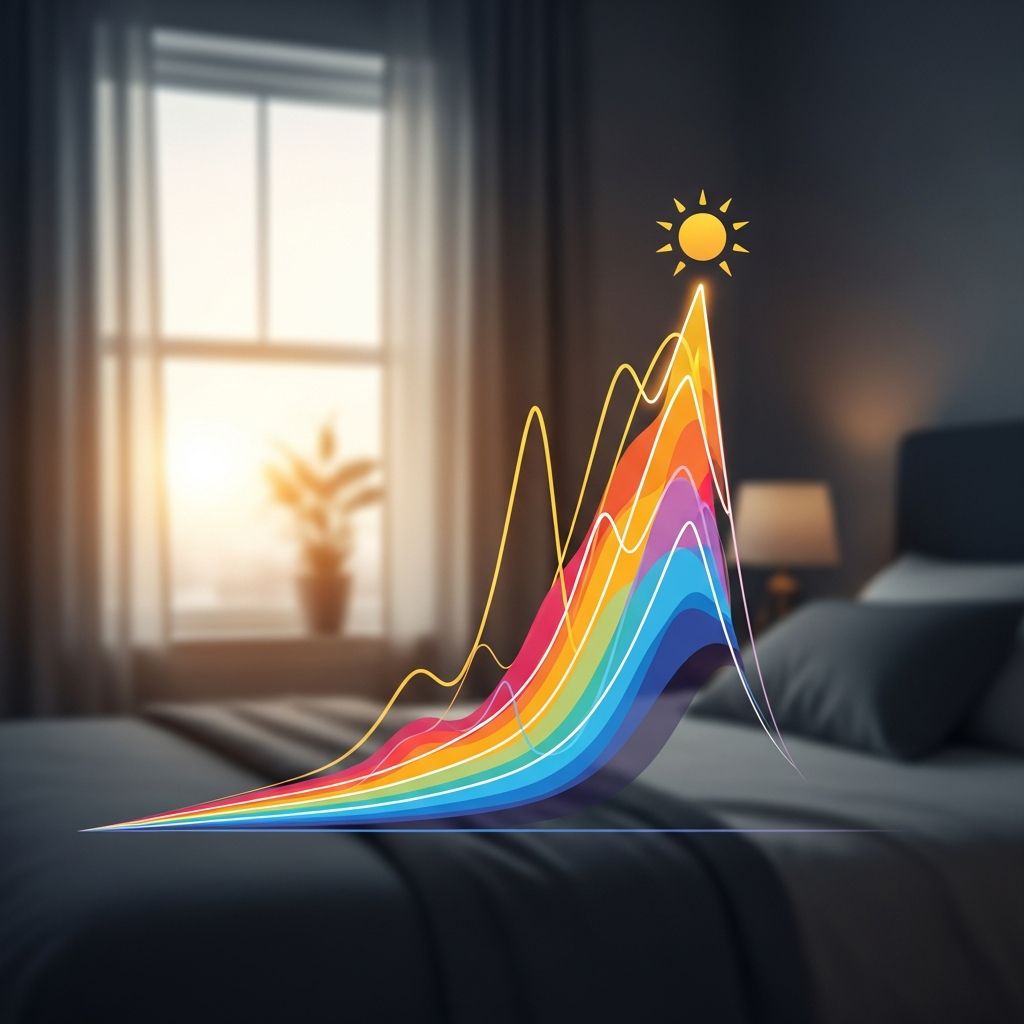
Cortisol, often called the “stress hormone,” follows a distinct daily pattern, peaking highest in the early morning hours shortly before waking. This rhythm helps regulate energy, metabolism, and the body’s response to daily challenges. Understanding this pattern is crucial, as imbalances can lead to health issues like fatigue, weight gain, and weakened immunity.
Produced by the adrenal glands, cortisol prepares the body for the day by boosting alertness and blood sugar levels. Levels naturally decline throughout the day, reaching their lowest at night to promote restful sleep. Disruptions from chronic stress, poor sleep, or medical conditions can cause abnormal spikes, impacting overall well-being.
What Is Cortisol?
Cortisol is a steroid hormone essential for life, produced in the adrenal glands atop the kidneys. It influences nearly every organ system, regulating metabolism, immune response, blood pressure, and the sleep-wake cycle. Beyond stress, cortisol maintains homeostasis by balancing energy use and inflammation.
In short bursts, cortisol enhances immunity by curbing excessive inflammation. However, prolonged elevation can desensitize the body, leading to chronic inflammation and immune suppression. It also mobilizes glucose from the liver for quick energy during stress, while modulating insulin and glucagon from the pancreas.
What Does Cortisol Do?
Cortisol’s roles extend far beyond stress management. It affects:
- Metabolism: Regulates glucose breakdown and fat/protein use for energy.
- Immune Function: Temporarily boosts defense but weakens it long-term if elevated.
- Blood Pressure: Elevated levels can raise it; low levels lower it.
- Circadian Rhythm: Peaks mornings, troughs evenings, signaling wakefulness.
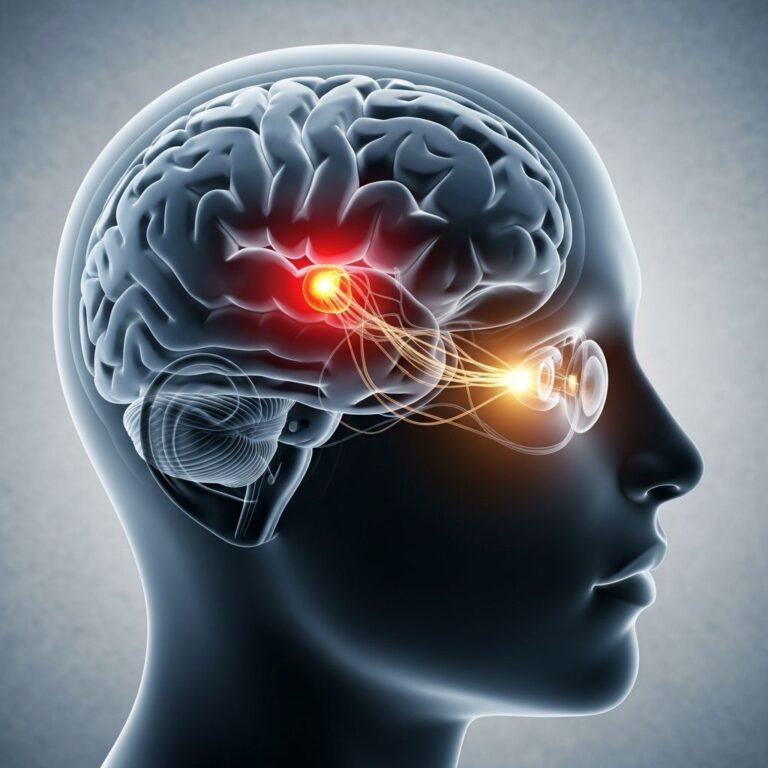
The hypothalamus-pituitary-adrenal (HPA) axis tightly controls production: hypothalamus releases CRH, pituitary secretes ACTH, prompting adrenals to make cortisol. This feedback loop ensures steady levels.
When Are Cortisol Levels Highest?
Cortisol exhibits a clear
circadian rhythm
: levels are lowest at midnight, gradually rise overnight, and peak between 6-8 AM, often 50-100% higher than evening baselines. This “cortisol awakening response” (CAR) jumpstarts metabolism and alertness upon waking.Studies confirm morning peaks align with natural light cues. For instance, salivary cortisol averages rise significantly pre-wake-up, dropping steadily to evening lows. Stress episodes cause acute spikes regardless of time, but the highest baseline occurs mornings.
| Time of Day | Typical Cortisol Level | Key Function |
|---|---|---|
| Midnight – 4 AM | Lowest | Promotes sleep |
| 6-8 AM (Peak) | Highest (up to 9x baseline in stress) | Boosts energy, alertness |
| Noon | Moderate decline | Sustains daytime function |
| Evening (8 PM+) | Low | Prepares for rest |
Data adapted from clinical observations; stress can multiply peaks dramatically, e.g., 9-fold increases during high-anxiety periods.
What Causes High Cortisol Levels?
Beyond natural rhythms, several factors elevate cortisol:
Related Stories



- Chronic Stress: Activates HPA axis repeatedly, leading to sustained highs.
- Poor Sleep: Disrupts rhythm, blunting morning peak or causing evening rises.
- Caffeine/Alcohol: Stimulate acute releases.
- Medical Conditions: Cushing syndrome (tumors overproducing ACTH/cortisol), adrenal hyperplasia.
- Medications: Long-term corticosteroids.
Acute stress, like exams, can spike salivary cortisol 9 times baseline, impairing balance and cognition short-term.
High Cortisol Level Symptoms
Prolonged high cortisol (hypercortisolism) signals via:
- Weight gain (abdomen, face – “moon face”).
- Fatigue despite high energy bursts.
- Muscle weakness, thin skin, easy bruising.
- High blood pressure, elevated blood sugar.
- Anxiety, irritability, sleep disturbances.
- Weakened immunity, frequent infections.
Low Cortisol Level Symptoms
Hypocortisolism (adrenal insufficiency) presents oppositely:
- Extreme fatigue, muscle weakness.
- Weight loss, low blood pressure.
- Dark skin patches (Addison’s).
- Nausea, vomiting, abdominal pain.
- Salt cravings, dehydration.
- Depression, low mood.
Normal Cortisol Levels
Levels vary by time, method (blood, saliva, urine):
| Test Type | Morning (Peak) | Evening | Units |
|---|---|---|---|
| Blood | 6-23 mcg/dL | 3-13 mcg/dL | mcg/dL |
| Saliva | 0.1-0.6 mcg/dL | <0.09 mcg/dL | mcg/dL |
| 24h Urine | 10-100 mcg/24h | N/A | mcg/24h |
Ranges from Cleveland Clinic; individual variation exists.
Cortisol Test
Providers order tests for suspected imbalance:
- Blood/Saliva: Timed draws capture rhythm.
- 24-Hour Urine: Measures total output.
- Dexamethasone Suppression: Assesses feedback.
- ACTH Stimulation: Checks adrenal response.
Consult a doctor for symptoms; self-testing lacks context.
How to Lower Cortisol
Lifestyle tweaks effectively balance levels:
- Exercise: Moderate 30 min/day; avoid overtraining.
- Sleep Hygiene: 7-9 hours, consistent schedule.
- Mindfulness: Meditation, yoga reduce HPA activation.
- Diet: Whole foods, limit caffeine/sugar.
- Social Support: Connection buffers stress.
For Cushing’s, surgery/medication targets cause. Stress management prevents spikes like those impairing balance.
Frequently Asked Questions (FAQs)
What time of day is cortisol highest?
Cortisol peaks in the morning (6-8 AM) as part of the awakening response, then declines.
Does stress increase cortisol immediately?
Yes, acute stress triggers rapid HPA activation, spiking levels up to 9x baseline.
Can high cortisol cause weight gain?
Yes, it promotes abdominal fat storage and appetite via metabolic shifts.
How accurate are at-home cortisol tests?
Salivary tests reflect free cortisol but require lab validation and timed collection.
Does exercise lower cortisol long-term?
Regular moderate exercise balances levels; excessive can raise them.
References
- Cortisol: What It Is, Function, Symptoms & Levels — Cleveland Clinic. 2025-02-14. https://my.clevelandclinic.org/health/articles/22187-cortisol
- Effect of increase in cortisol level due to stress in healthy young individuals on dynamic and static balance — PMC (NCBI). 2019-02-11. https://pmc.ncbi.nlm.nih.gov/articles/PMC6371989/
Similar Articles








Read full bio of Sneha Tete