Back Pain May Mean Arthritis: 6 Types, Symptoms, And Relief
Discover how arthritis causes back pain, from axial spondyloarthritis to osteoarthritis, and learn when to seek diagnosis and treatment.
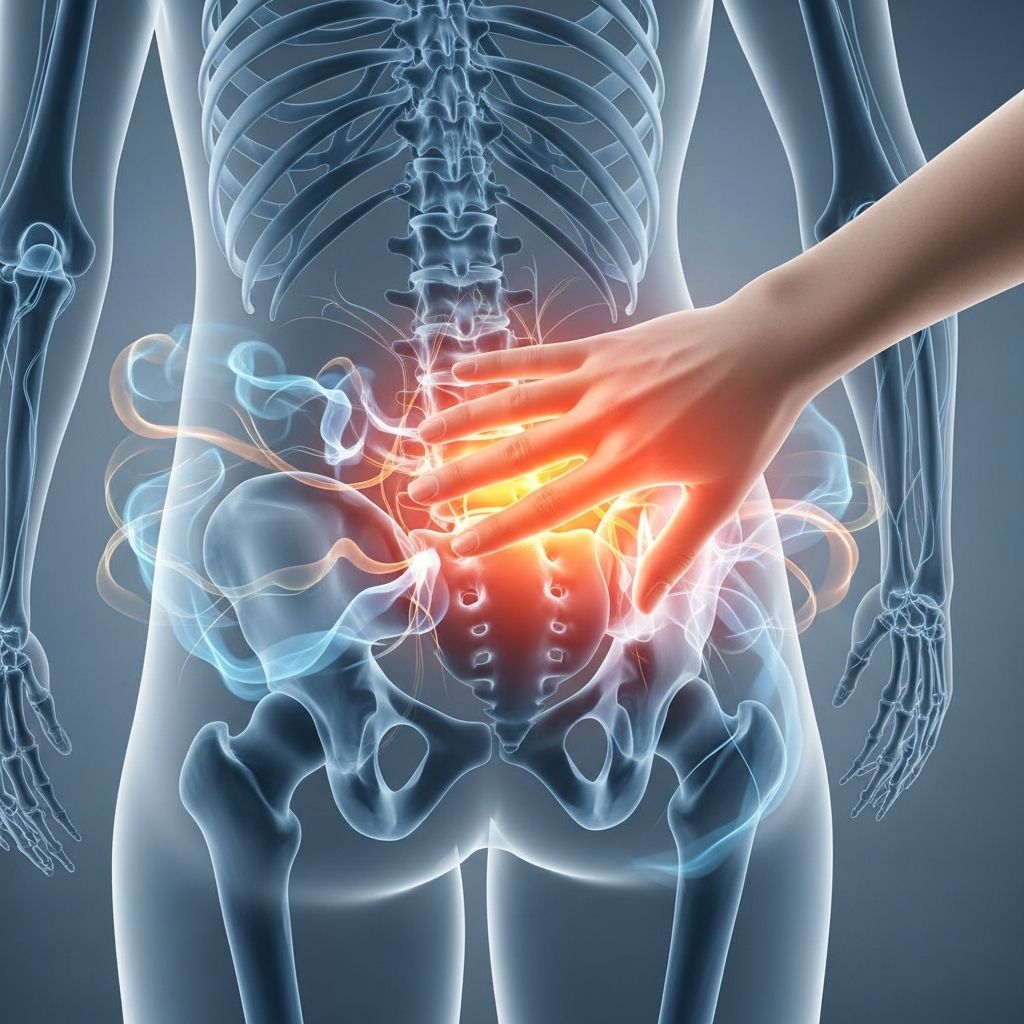
Many forms of arthritis and related conditions can cause back pain, stiffness, and swelling in the spine. About 80% of back pain is acute, lasting one to seven days, but persistent pain may indicate chronic issues like arthritis, most commonly in the lower back.
Several types fall under spondylarthropathies, or spinal arthritis, affecting both adults and children. If you’re dealing with ongoing back pain, swelling, or stiffness, it could stem from one of these arthritis-related conditions. This article breaks down the key types, symptoms, diagnosis, and management strategies to help you understand when back pain signals arthritis.
Axial Spondyloarthritis
Axial spondyloarthritis (axSpA) is a chronic inflammatory disease primarily targeting the sacroiliac joints—where the spine meets the pelvis—and the hips. It causes inflammation leading to pain and stiffness, often worse in the morning or after inactivity.
Symptoms include lower back pain that improves with movement but worsens at night, potential eye inflammation (uveitis), and family history of similar conditions. Early diagnosis is crucial as untreated axSpA can lead to spinal fusion (ankylosis).
- Pain lasting more than three months
- Stiffness for over 30 minutes upon waking
- Improvement with exercise
- Possible alternating buttock pain
Treatment often involves NSAIDs, biologics like TNF inhibitors, and physical therapy to maintain mobility.
Osteoarthritis
Osteoarthritis (OA), the most common arthritis type, affects the spine through cartilage breakdown in facet joints between vertebrae. Known previously as ‘wear-and-tear’ arthritis, it progresses to bone-on-bone friction, stiffness, pain, and bone spurs (osteophytes).
In the spine, OA destabilizes vertebrae, prompting spur formation for stability, but these can irritate nerves or cause spinal stenosis—narrowing that pinches nerves, leading to leg pain, numbness, or weakness. Four out of five adults experience back pain sometime, with OA common after age 40.
Symptoms develop gradually:
- Morning stiffness or after prolonged sitting
- Low back pain as the primary site
- Grinding sensation (crepitus) during movement
- Tenderness along affected joints
- Loss of flexibility in neck or back
Management includes pain relievers like acetaminophen or NSAIDs, exercise, and weight control.
Reactive Arthritis
Reactive arthritis develops after infections in the genital, urinary, or gastrointestinal tracts. It triggers joint inflammation, potentially affecting eyes, intestines, kidneys, or bladder, with the sacroiliac joint commonly involved, causing lower back pain.
Symptoms may appear weeks post-infection: asymmetric joint pain, back stiffness, and enthesitis (inflammation where tendons attach to bone). It often resolves but can become chronic in some cases.
Enteropathic Arthritis
Seen in about 5% of people with inflammatory bowel disease (IBD) like Crohn’s or ulcerative colitis, enteropathic arthritis frequently impacts the sacroiliac joint, resulting in lower back pain that parallels IBD flares.
Pain is inflammatory, improving with activity, and may accompany peripheral joint swelling. Treating the underlying IBD helps control symptoms.
Psoriatic Arthritis and Back Pain
Psoriatic arthritis (PsA) can involve the spine as axial disease or spondylitis, affecting sacroiliac joints and spine. Up to 10 years may pass before diagnosis in those with spinal symptoms alongside skin psoriasis.
Distinguish inflammatory from mechanical pain:
| Feature | Inflammatory Back Pain (PsA) | Mechanical Back Pain |
|---|---|---|
| Onset | Insidious, age <40 | Sudden, post-injury |
| Morning Stiffness | >30 minutes | <30 minutes |
| Response to Activity | Improves | Worsens |
| Night Pain | Wakes you | Rare |
Related Stories



Treatment per GRAPPA guidelines: NSAIDs, TNF inhibitors, or IL-17 inhibitors for axial PsA, differing from peripheral-focused therapies.
Spinal Stenosis
Spinal stenosis arises from vertebral bone overgrowth and ligament thickening, often with OA or ankylosing spondylitis. Narrowing compresses the spinal canal and nerves, causing back pain, leg numbness, weakness, or bowel issues.
Symptoms worsen with standing/walking (neurogenic claudication) and ease with sitting or bending forward.
Other Arthritis-Related Conditions
Additional culprits include:
- Polymyalgia rheumatica (PMR): Causes shoulder and hip girdle pain/stiffness, sometimes back.
- Fibromyalgia: Widespread pain including back, with fatigue and sleep issues.
- Paget’s disease: Abnormal bone remodeling leading to pain and deformity.
Getting a Proper Diagnosis
Back pain sources mimic arthritis: muscle spasms, strains, scoliosis, sciatica, or disc herniations. Doctors assess via history, exam, imaging (X-rays, MRI), and blood tests for inflammation.[10]
Key questions:
- Pain duration and triggers?
- Morning stiffness length?
- Family history of arthritis?
- Associated symptoms (e.g., IBD, psoriasis, infections)?
For inflammatory pain, rheumatologist referral is key. OA diagnosis leans on imaging showing spurs/stenosis.[10]
Back Pain Relief and Management
Most acute pain resolves with rest, heat/ice, and OTC meds. Chronic arthritis pain needs tailored approaches:
- Medications: NSAIDs, acetaminophen; biologics for inflammatory types.
- Exercise: Low-impact like swimming, walking to build strength.
- Therapies: PT, massage, acupuncture.
- Lifestyle: Maintain healthy weight, good posture.
Surgery (e.g., decompression for stenosis) is last resort.
Frequently Asked Questions (FAQs)
Is my back pain likely arthritis if I’m young?
Acute pain in younger people is usually strain or disc issues, but inflammatory arthritis like axSpA can start early.
How do I differentiate arthritis back pain?
Inflammatory pain improves with exercise, lasts mornings long; mechanical worsens with activity.
When should I see a doctor?
If pain persists >6 weeks, with numbness, weakness, bowel changes, or inflammatory features.[10]
Can exercise help arthritis back pain?
Yes, regular movement reduces stiffness and strengthens supporting muscles.
Are biologics safe for spinal arthritis?
Under medical supervision, they effectively target inflammation in axSpA/PsA.
References
- When Back Pain May Mean Arthritis — Arthritis Foundation. 2023. https://www.arthritis.org/health-wellness/about-arthritis/where-it-hurts/when-back-pain-may-mean-arthritis
- Is Your Back Pain Caused by OA? — Arthritis Foundation. 2023. https://www.arthritis.org/diseases/more-about/is-your-back-pain-caused-by-oa
- How PsA Causes Back Pain — Arthritis Foundation. 2023. https://www.arthritis.org/health-wellness/about-arthritis/related-conditions/other-diseases/psoriatic-arthritis-and-back-pain
- Osteoarthritis of the Back/Spine — Arthritis Foundation. 2023. https://www.arthritis.org/health-wellness/about-arthritis/understanding-arthritis/back-oa
- Back Pain Causes & Treatments — Arthritis Foundation. 2023. https://www.arthritis.org/diseases/back-pain
- How Can You Get Back Pain Relief? — Arthritis Foundation. 2023. https://www.arthritis.org/health-wellness/about-arthritis/understanding-arthritis/how-can-you-get-back-pain-relief
Similar Articles








Read full bio of medha deb