When Can Procrastinating Be Healthy? 4 Types Of Productive Delay
Discover how strategic procrastination can boost creativity, reduce stress, and improve decision-making in everyday life.
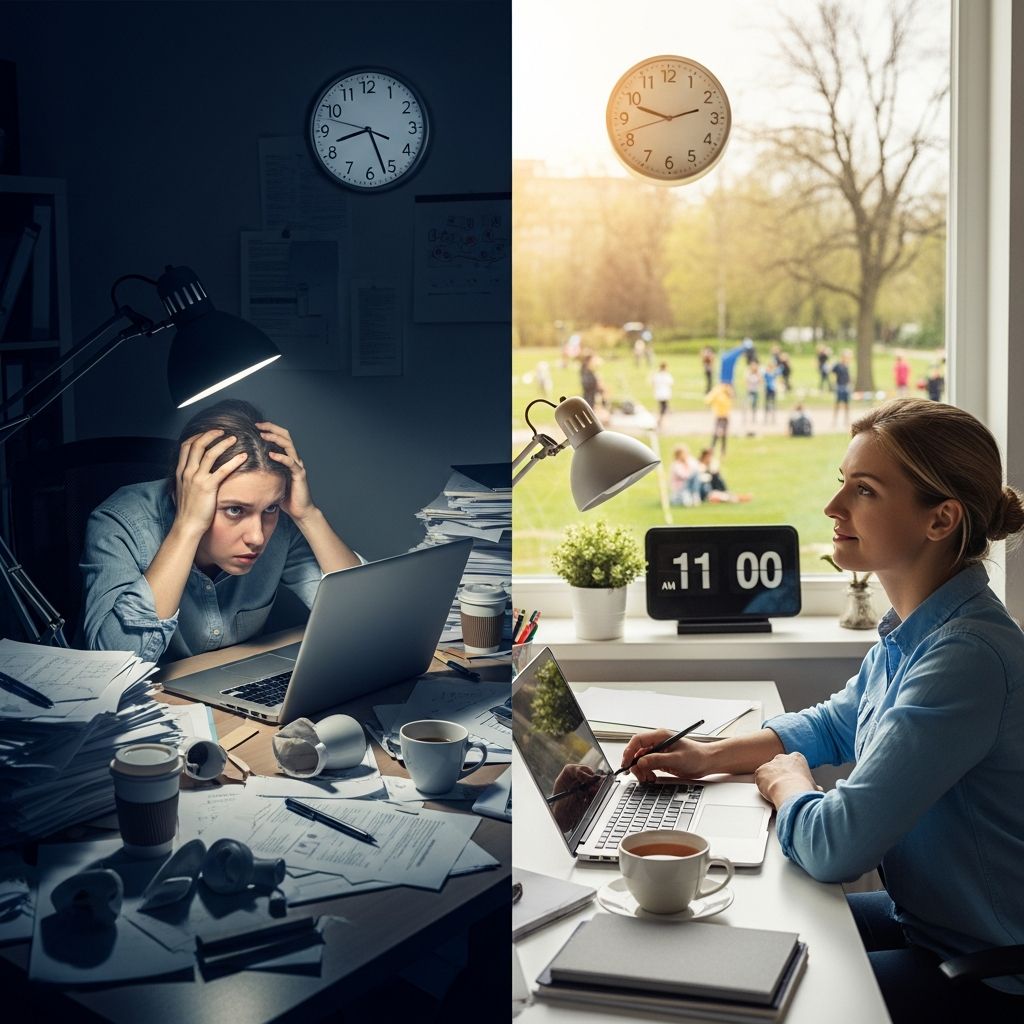
Procrastination is often viewed as a productivity killer, linked to stress, anxiety, and poor mental health outcomes. However, not all delays are detrimental.
Strategic procrastination
—intentionally postponing tasks—can yield benefits like enhanced creativity, clearer decision-making, and reduced burnout. This article examines when putting things off can actually support mental well-being, drawing from psychological research and real-world examples.What Is Procrastination?
Procrastination involves voluntarily delaying intended actions despite knowing potential negative consequences. Chronic forms contribute to mental health issues like depression and anxiety, as individuals avoid discomfort, leading to cycles of guilt and stress. Yet, acute or active procrastination differs: it serves as a deliberate pause, allowing incubation of ideas or recovery from overload.
Psychologists distinguish between passive procrastination (avoidance-driven) and active procrastination (productive delay). Active procrastinators thrive under time pressure, performing better than non-procrastinators in some studies. Understanding this spectrum reveals procrastination’s dual nature.
The Negative Side of Procrastination
While the focus here is on healthy aspects, acknowledging harms provides context. Chronic procrastination correlates with depression, anxiety, low self-esteem, and even physical health declines like hypertension. It acts as an avoidance strategy for emotional triggers such as fear of failure or perfectionism.
- Mental health impacts: Increases stress, guilt, and symptoms of OCD or ADHD-related issues.
- Physical effects: Delays medical care, exacerbating conditions via elevated cortisol.
- Relational strain: Missed commitments erode trust and performance.
These downsides highlight why indiscriminate delay is risky, but targeted pauses can mitigate them.
Benefits of Healthy Procrastination
Paradoxically, procrastination can recharge the mind, fostering breakthroughs. Research shows delays allow subconscious processing, akin to the ‘incubation effect’ in creativity studies.
Boosts Creativity and Problem-Solving
Delaying tasks permits diffuse-mode thinking, where the brain connects distant ideas. Historical examples abound: Charles Darwin procrastinated publishing evolution theory for 20 years, refining it immensely. Modern studies confirm incubation enhances insight problem-solving.
Procrastinators often excel in divergent thinking—generating novel ideas—outperforming punctual peers in creative tasks.
Improves Decision-Making
Rushing leads to errors; delay gathers more data. ‘Structured procrastination’—postponing less urgent tasks while tackling others—maintains momentum without overload. This prevents decision fatigue, where hasty choices prevail under pressure.
| Scenario | Rushed Approach | Procrastinated Benefit |
|---|---|---|
| Email Response | Impulsive reply breeds conflict | Delay allows perspective, better wording |
| Project Planning | Overcommitment to flawed plan | Incubation reveals better strategies |
| Creative Writing | Block due to force | Ideas percolate for richer output |
Reduces Stress and Prevents Burnout
Constant action spikes cortisol; pauses restore balance. ‘Productive procrastination’—switching to lighter tasks—signals self-care, combating perfectionism-driven anxiety. Low frustration tolerance improves with tolerated delays, building resilience.
Related Stories



Types of Healthy Procrastination
- Incubation Procrastination: Ideal for complex problems. Sleep or distraction aids subconscious work, as in Archimedes’ ‘Eureka’ bath moment.
- Energy-Based Delay: Postpone when fatigued; align tasks with peak circadian rhythms for efficiency.
- Arousal Procrastination: Thrives on deadlines for adrenaline-fueled focus, common in high-achievers.
- Rebel Procrastination: Resists overbearing ‘shoulds,’ reclaiming autonomy against inner critics.
When to Procrastinate Intentionally
Not every task warrants delay. Use these guidelines:
- Tasks requiring innovation: Give ideas space to evolve.
- During mental fatigue: Force yields poor results; rest boosts output.
- Low-stakes decisions: More info emerges over time.
- Avoid for time-sensitive or routine duties, where delay compounds stress.
Monitor patterns: if delay empowers, it’s healthy; if it breeds guilt, intervene.
Real-Life Examples
Bill Clinton credited procrastination for speeches—delaying drafts allowed authenticity. Leonardo da Vinci left works unfinished, iterating endlessly for masterpieces. In business, ‘strategic dawdling’ at IDEO fosters innovation via unhurried brainstorming.
Everyday: A writer procrastinates outlining, subconsciously weaving plot twists during walks, yielding superior narratives.
How to Procrastinate Productively
Transform vice into virtue with techniques:
- Schedule Delays: Block ‘incubation time’ guilt-free.
- Prioritize Ruthlessly: Tackle high-impact tasks; defer trivia.
- Use Timers: 25-minute Pomodoros with breaks for micro-procrastination.
- Mindfulness: Notice avoidance cues; reframe as rest.
- Self-Compassion: Replace ‘lazy’ with ‘recharging’ narratives.
Tools like Forest app gamify focus, while journals track productive delays’ wins.
Signs It’s No Longer Healthy
Healthy procrastination energizes; unhealthy drains. Watch for:
- Chronic last-minute rushes causing panic.
- Guilt overshadowing relief.
- Impact on health, relationships.
- Missed opportunities from perpetual delay.
If linked to ADHD, depression, or anxiety, seek therapy like CBT or REBT for root causes.
Frequently Asked Questions (FAQs)
Is procrastination ever good for mental health?
Yes, strategic delays reduce stress, enhance creativity via incubation, and prevent burnout, unlike chronic avoidance.
How does procrastination affect creativity?
It allows subconscious processing, leading to novel insights—procrastinators often score higher on divergent thinking tests.
Can procrastinators be successful?
Absolutely; many leaders like Steve Jobs used deadline pressure productively, turning arousal into peak performance.
When should I stop procrastinating?
When it causes distress, health issues, or relational harm—shift to action-oriented strategies.
What’s the difference between lazy and healthy procrastination?
Laziness avoids indefinitely; healthy delay is temporary, purposeful, yielding better results upon resumption.
Conclusion
Reframing procrastination as a tool—not a flaw—empowers balanced living. Embrace healthy delays for creativity and calm, while curbing excesses. Balance is key: procrastinate wisely to thrive.
(Word count: 1678)
References
- What You Need To Know About The Impact of Procrastination On Mental Health — BetterHelp. 2023. https://www.betterhelp.com/advice/procrastination/what-you-need-to-know-about-the-impact-of-procrastination-on-mental-health/
- Procrastination: An emotional struggle — American Counseling Association. 2016-01-01. https://www.counseling.org/publications/counseling-today-magazine/article-archive/article/legacy/procrastination-an-emotional-struggle
- Procrastination Mediates the Relationship between Problematic Smartphone Use and Depression Symptoms — PMC (National Library of Medicine). 2024-03-05. https://pmc.ncbi.nlm.nih.gov/articles/PMC10932071/
- How to stop procrastinating — Patient.info. 2023. https://patient.info/features/mental-health/procrastination-how-not-to-do-it
- A Guided Web-Based Intervention Targeting Procrastination — JMIR Research Protocols (.org, academic). 2023-01-18. https://www.researchprotocols.org/2023/1/e44907/
Similar Articles








Read full bio of Sneha Tete