When Should You Be Concerned About Ringing in Your Ears?
Understanding tinnitus: Learn when ear ringing requires medical attention and what you can do.
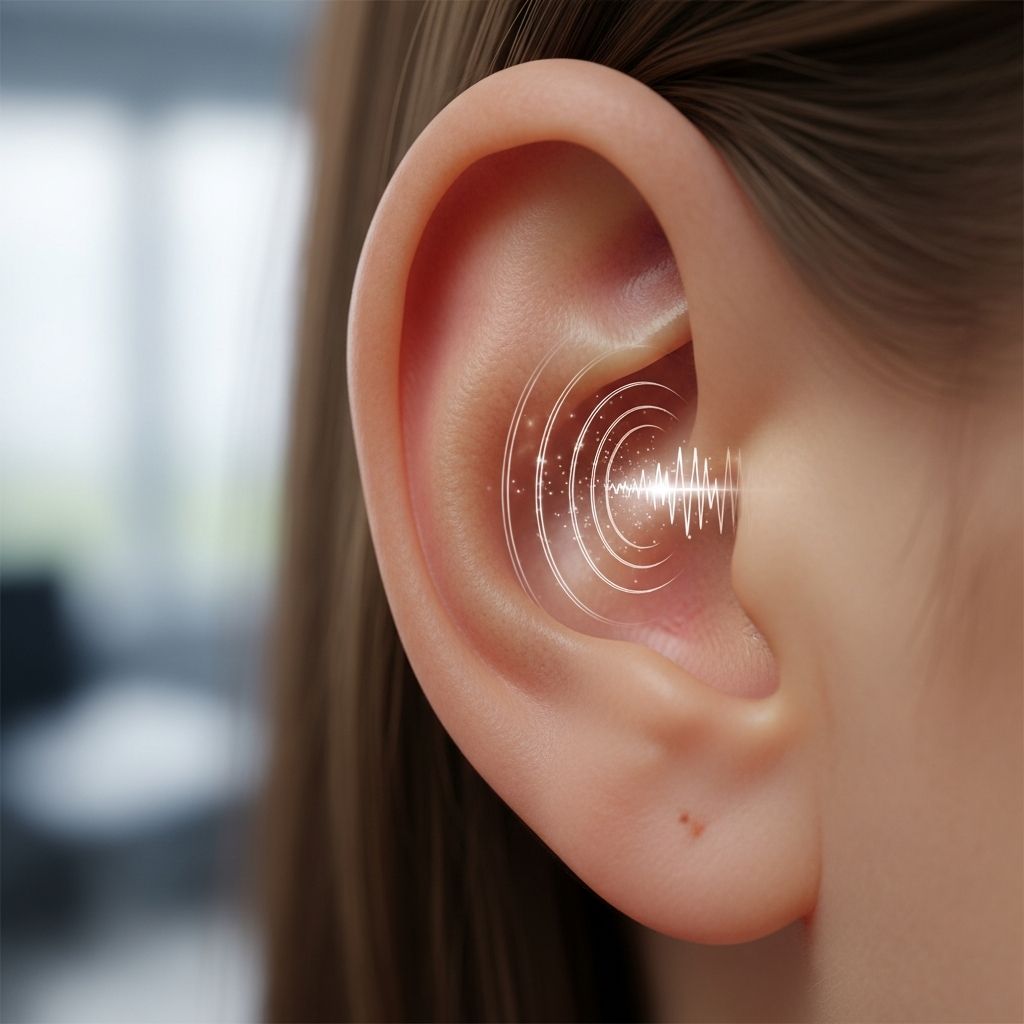
Ringing in the ears, medically known as tinnitus, is a condition that affects millions of people worldwide. Most people experience occasional ringing in their ears at some point in their lives, but for many, it becomes a persistent and bothersome condition. Understanding when tinnitus becomes concerning and requires medical attention is essential for protecting your hearing health and quality of life.
Tinnitus affects between 10 to 25 percent of adults globally, with approximately 12% of the general population experiencing this condition and up to 25% among older adults. While occasional ear ringing is usually harmless and typically resolves on its own, persistent tinnitus can significantly impact sleep quality, concentration, and emotional well-being. The key to managing tinnitus effectively lies in understanding what causes it, recognizing when it warrants professional attention, and knowing what treatment options are available.
What is Tinnitus?
Tinnitus is the perception of sound in the ears or head when no external sound is present. Often described as a phantom sound, tinnitus can manifest in various forms, including ringing, buzzing, hissing, roaring, clicking, or humming. Some people describe the sound as similar to crickets chirping or a pulsing noise. The sound can be constant or intermittent, affecting one ear or both ears, and may even seem to originate from inside the head rather than from the ears themselves.
Recent research has revealed that tinnitus is not simply a malfunction of the ear, but rather involves complex neurological processes. Scientists have discovered that many individuals with tinnitus experience auditory nerve loss that isn’t detected by conventional hearing tests, a phenomenon known as cochlear synaptopathy or “hidden hearing loss.” This groundbreaking discovery has transformed how researchers and clinicians understand and approach tinnitus, offering new hope for treatment development.
Common Causes of Tinnitus
Tinnitus can result from various underlying causes, and identifying the source is often crucial for determining the appropriate treatment approach. Understanding these causes can help you determine whether your tinnitus warrants medical evaluation.
Noise-induced hearing loss: Exposure to loud sounds is one of the most common causes of tinnitus. This can occur from occupational noise exposure, recreational activities like concerts or shooting, or even prolonged use of headphones at high volumes. The damage to inner ear structures from noise exposure can trigger tinnitus that may be temporary or permanent.
Age-related hearing loss: As people age, the structures of the inner ear naturally deteriorate, leading to presbycusis or age-related hearing loss. This type of hearing loss frequently accompanies tinnitus, particularly high-frequency tinnitus.
Earwax impaction: Accumulated earwax can block the ear canal and create a sensation of fullness along with tinnitus-like sounds. Fortunately, this type of tinnitus is usually easily resolved through professional earwax removal.
Ear infections and middle ear problems: Infections, fluid buildup, or other middle ear disorders can trigger temporary or persistent tinnitus. These conditions often resolve once the underlying infection or problem is treated.
Medications: Certain medications, including some antibiotics, anti-inflammatory drugs, and chemotherapy agents, can cause or worsen tinnitus as a side effect. Aspirin in high doses is particularly known to trigger tinnitus.
Head and neck trauma: Injuries to the head, neck, or jaw can damage structures involved in hearing and balance, potentially triggering tinnitus. Whiplash injuries and traumatic brain injuries are particularly associated with tinnitus development.
Cardiovascular conditions: Pulsatile tinnitus, where the sound synchronizes with your heartbeat, may indicate cardiovascular issues such as high blood pressure, atherosclerosis, or vascular malformations.
Temporomandibular joint (TMJ) disorders: Problems with the jaw joint can sometimes trigger or worsen tinnitus due to the proximity of the TMJ to structures involved in hearing.
When Tinnitus Becomes a Concern
While occasional ringing in the ears is typically harmless, certain situations warrant medical evaluation and concern. Recognizing these red flags can help you determine when to seek professional help.
Sudden onset tinnitus: If you suddenly develop ringing in your ears without any apparent cause, especially if accompanied by sudden hearing loss, seek immediate medical attention. Sudden sensorineural hearing loss with tinnitus can indicate a medical emergency requiring prompt treatment.
Unilateral tinnitus: Tinnitus that affects only one ear should be evaluated by a healthcare provider, as it may indicate an underlying condition requiring specific treatment.
Pulsatile tinnitus: If your tinnitus synchronizes with your heartbeat, this type of tinnitus requires medical evaluation, as it may indicate cardiovascular issues or vascular abnormalities.
Worsening symptoms: Tinnitus that gradually becomes louder or more frequent should be brought to your doctor’s attention, as it may indicate progression of an underlying condition.
Accompanying symptoms: Tinnitus accompanied by vertigo, dizziness, hearing loss, or neurological symptoms warrants professional evaluation.
Impact on quality of life: If tinnitus interferes with sleep, concentration, work performance, or emotional well-being, causing anxiety, depression, or social isolation, professional help is advisable. Beyond the nuisance of persistent ringing, severe tinnitus can be debilitating, significantly affecting quality of life and warranting intervention.
When to See a Healthcare Provider
Scheduling an appointment with a healthcare provider is recommended in the following situations:
- Tinnitus that persists for more than a few weeks
- Tinnitus that occurs in only one ear
- Tinnitus accompanied by hearing loss or other symptoms
- Sudden onset tinnitus without clear cause
- Tinnitus that interferes with daily functioning
- Tinnitus that worsens over time
- Tinnitus following head injury or trauma
- Recent changes in existing tinnitus patterns
Medical Evaluation for Tinnitus
When you visit a healthcare provider for tinnitus evaluation, they will typically perform several assessments to understand your condition better. Your doctor will begin with a thorough history, asking about when the tinnitus started, what it sounds like, whether it affects one or both ears, and whether it’s constant or intermittent. They’ll also inquire about recent noise exposure, head injuries, medication changes, or other relevant medical history.
A comprehensive physical examination of the ears, head, and neck will follow. Your doctor may use an otoscope to examine your ear canal and eardrum, checking for earwax impaction, infection, or other obvious problems. Hearing tests, including audiometry, will likely be performed to assess your hearing function and identify any hearing loss patterns.
Imaging studies may be recommended if your tinnitus is unilateral, pulsatile, or accompanied by neurological symptoms. MRI or CT scans can help identify structural abnormalities, vascular issues, or other underlying conditions that might explain your symptoms.
Recent advances in tinnitus diagnosis have provided new objective measures beyond traditional subjective questionnaires. Research published in Science Translational Medicine has identified novel biomarkers related to how the brain processes tinnitus, potentially allowing physicians to gauge severity more objectively and better predict which treatments might be most effective.
Understanding the Neuroscience of Tinnitus
Recent breakthrough research has significantly advanced our understanding of how tinnitus develops and persists. Scientists have discovered that tinnitus involves complex neurological processes throughout the auditory system and brain, not just in the ear itself.
One major discovery involves the identification of “hidden hearing loss” or cochlear synaptopathy. Researchers have found that many individuals with tinnitus experience significant loss of auditory nerve fibers that aren’t detected by conventional hearing tests. These individuals may have normal hearing thresholds on standard audiometry yet still experience tinnitus due to damage at the synapse between the cochlea and the auditory nerve.
Beyond peripheral hearing loss, tinnitus involves maladaptive changes throughout the auditory pathway. The brain responds to reduced input from the damaged auditory nerve by increasing its own activity—a compensatory mechanism that paradoxically results in the perception of phantom sound. Additionally, researchers have found that individuals with severe tinnitus show hyperactivity in the brainstem and altered connectivity patterns in brain regions responsible for attention and emotional processing.
Interestingly, the severity of tinnitus doesn’t correlate simply with how loud the phantom sound is. Instead, research suggests that people with severe tinnitus have difficulty “tuning out” the sound—their brain’s systems for filtering irrelevant information become compromised. The auditory threat evaluation system in the brain becomes hypersensitive, treating the tinnitus signal as an important threat that demands attention.
Treatment and Management Options
While there is currently no universal cure for tinnitus, various treatment approaches can help manage symptoms and improve quality of life. The most appropriate treatment depends on the underlying cause and the individual’s specific situation.
Treating underlying causes: When tinnitus results from a treatable condition, addressing that underlying issue often resolves the tinnitus. Earwax removal, treating ear infections, adjusting medications, or managing cardiovascular conditions can sometimes eliminate tinnitus symptoms entirely.
Sound therapy and masking: Using background sounds to mask or distract from tinnitus can help, especially at night. White noise machines, fans, or specially designed tinnitus masking apps can provide relief for some individuals.
Cognitive behavioral therapy: This psychological approach helps reduce the emotional impact and distress associated with tinnitus, teaching coping strategies and reducing the brain’s focus on the phantom sound.
Hearing aids: For individuals with accompanying hearing loss, hearing aids can amplify external sounds and reduce the relative prominence of tinnitus, often providing significant relief.
Tinnitus retraining therapy: This specialized therapy combines counseling with sound therapy to help the brain habituate to the tinnitus signal, gradually reducing its perception and impact.
Medications: While no medication specifically cures tinnitus, certain medications may help manage associated symptoms like anxiety or sleep disturbances.
Emerging treatments: Researchers are actively developing new treatment approaches, including neurotrophic drugs aimed at regenerating damaged auditory nerve fibers. These promising developments suggest that effective tinnitus treatments may become available in the coming years.
Lifestyle Modifications to Manage Tinnitus
Several lifestyle changes can help reduce tinnitus symptoms and improve overall hearing health:
- Protect your hearing by using earplugs in noisy environments and keeping headphone volume at safe levels
- Manage stress through relaxation techniques, exercise, or meditation, as stress often worsens tinnitus
- Avoid caffeine, alcohol, and nicotine, which may exacerbate tinnitus in some individuals
- Maintain good cardiovascular health through regular exercise and healthy diet
- Ensure adequate sleep and use background sounds if tinnitus disrupts sleep
- Limit exposure to loud noises and wear hearing protection when necessary
- Stay mentally and socially engaged to reduce focus on tinnitus
Frequently Asked Questions About Tinnitus
Q: Is tinnitus dangerous?
A: Tinnitus itself is not life-threatening, but it can significantly impact quality of life. Persistent tinnitus should be evaluated by a healthcare provider to rule out underlying conditions that may require treatment.
Q: Can tinnitus go away on its own?
A: Yes, temporary tinnitus often resolves without treatment, especially when caused by brief noise exposure or earwax impaction. However, chronic tinnitus typically persists without intervention.
Q: Is there a cure for tinnitus?
A: Currently, there is no universal cure for tinnitus, though various management strategies can reduce symptoms and improve quality of life. Research into new treatments, including nerve regeneration therapies, is ongoing.
Q: Should I be worried about sudden ringing in my ears?
A: Sudden onset tinnitus, especially if accompanied by hearing loss, warrants prompt medical evaluation. This could indicate a condition requiring urgent treatment to prevent permanent hearing damage.
Q: Can medications cause tinnitus?
A: Yes, certain medications can cause or worsen tinnitus. If you notice tinnitus after starting a new medication, discuss this with your healthcare provider rather than stopping the medication on your own.
Q: How can I sleep better with tinnitus?
A: White noise machines, fans, or tinnitus masking apps can help mask the phantom sound at night. Maintaining good sleep hygiene and managing stress can also improve sleep quality despite tinnitus.
Conclusion
While occasional ringing in the ears is a common experience that usually doesn’t warrant concern, persistent or worsening tinnitus deserves medical attention. Understanding when tinnitus requires professional evaluation and being aware of available treatment options empowers you to take control of your hearing health. If you experience sudden onset tinnitus, unilateral symptoms, or tinnitus that interferes with your daily life, schedule an appointment with your healthcare provider. Recent advances in understanding tinnitus neuroscience offer hope that more effective treatments will become available, bringing researchers and clinicians closer to their goal of silencing tinnitus and restoring quality of life for the millions affected by this condition.
References
- Loss of Auditory Nerve Fibers Uncovered in Individuals with Tinnitus — Massachusetts Eye and Ear, Mass General Brigham. 2023-11-01. https://masseyeandear.org/news/press-releases/2023/11/loss-of-auditory-nerve-fibers-uncovered-in-individuals-with-tinnitus
- Hope for sufferers of ‘invisible’ tinnitus disorder — Harvard Gazette. 2025-06-01. https://news.harvard.edu/gazette/story/2025/06/hope-for-sufferers-of-invisible-tinnitus-disorder/
- Ringing Ears: The Neuroscience of Tinnitus — PubMed Central, National Center for Biotechnology Information. 2011. https://pmc.ncbi.nlm.nih.gov/articles/PMC3073522/
- New “Hidden in Plain Sight” Facial and Eye Biomarkers for Tinnitus — Mass General Brigham. 2025. https://www.massgeneralbrigham.org/en/about/newsroom/press-releases/new-tinnitus-facial-eye-biomarkers-could-unlock-testing-treatments
- Hidden Hearing Loss Linked to Tinnitus, Harvard Study Finds — Dagens. 2025. https://www.dagens.com/health-0/hidden-hearing-loss-linked-to-tinnitus-harvard-study-finds
- Tinnitus is the perception of sound in the ears or head when no external sound is present — National Institute on Deafness and Other Communication Disorders (NIDCD), National Institutes of Health. https://www.nidcd.nih.gov/health/tinnitus
Similar Articles








Read full bio of Sneha Tete