Elbow Arthritis: 7 Types, Symptoms, And Treatments
Understand how arthritis and related conditions cause elbow pain, stiffness, and swelling, and learn when to seek diagnosis.
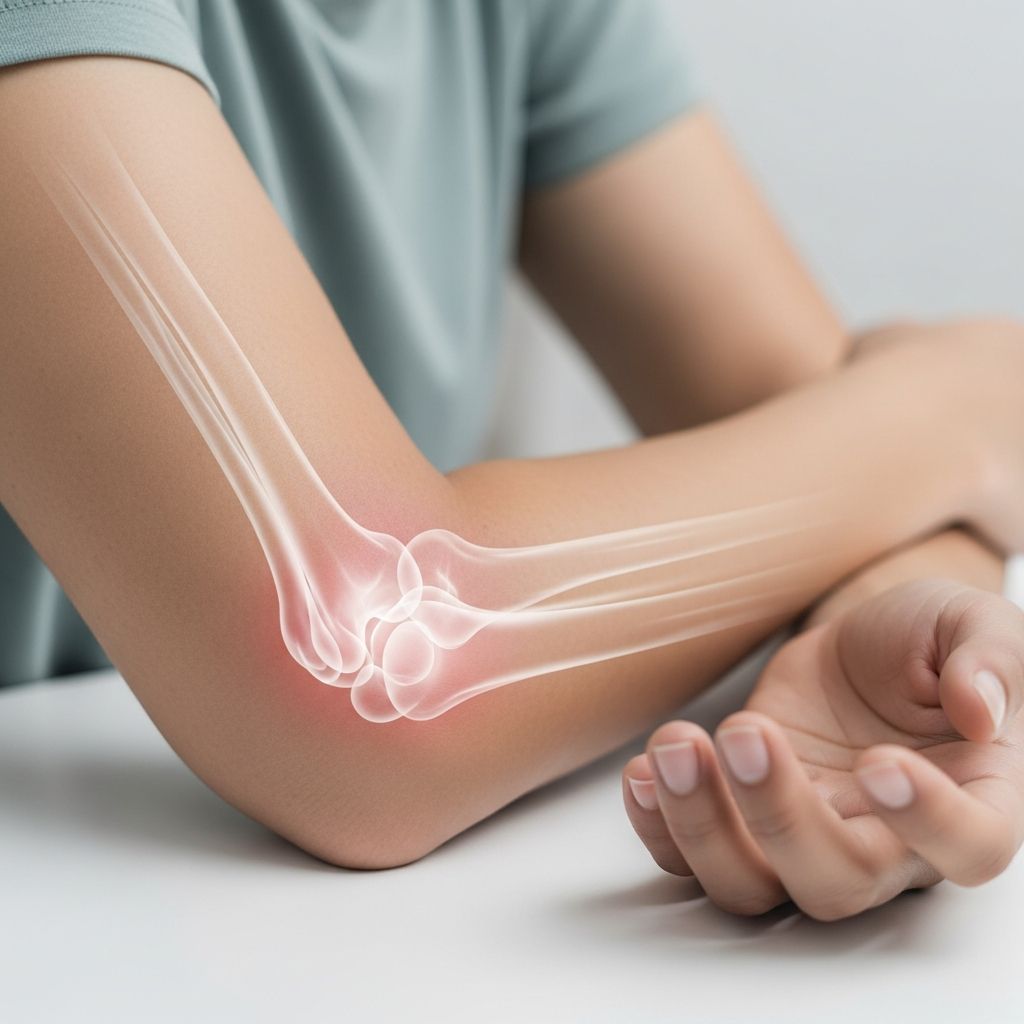
Many forms of
arthritis
and related conditions can lead to pain, stiffness, and swelling in the elbows. These symptoms often arise from joint inflammation, cartilage breakdown, or autoimmune responses, affecting daily activities like lifting or rotating the arm. Recognizing these signs early is crucial for effective management and preventing further joint damage.Elbow pain is common but can stem from various causes beyond arthritis, such as overuse injuries or nerve compression. However, persistent symptoms like
pain
,swelling
, andlimited motion
frequently point to arthritic conditions. This article covers the primary types of arthritis impacting the elbow, their symptoms, diagnostic approaches, and self-care strategies, drawing from authoritative medical sources.Symptoms of Elbow Arthritis
The hallmark symptoms of elbow arthritis include
pain
,stiffness
,swelling
, andreduced range of motion
. These may develop gradually or suddenly, depending on the type.- Pain: Often worsens with movement, such as rotating or extending the arm. It may feel like a deep ache or sharp sensation during activity.
- Stiffness: Particularly noticeable in the morning or after inactivity, limiting full extension or flexion of the elbow.
- Swelling: Due to inflammation or fluid buildup in the joint, which may cause warmth or redness in advanced cases.
- Locking or Catching: A grating or locking sensation from loose cartilage or bone fragments trapping in the joint.
- Numbness or Tingling: In later stages, pressure on the ulnar nerve can cause symptoms in the ring and pinky fingers.
These symptoms do not always occur simultaneously. For instance, pain and grating may precede swelling. If symptoms persist beyond a few days or interfere with daily tasks, consult a healthcare provider.
Rheumatoid Arthritis (RA)
**Rheumatoid arthritis** is a chronic autoimmune disease where the immune system attacks the joint lining (synovium), leading to inflammation, pain, swelling, and potential joint damage. The elbow is commonly affected, often symmetrically on both sides.
Symptoms include persistent pain, warmth, redness, and stiffness lasting over an hour in the morning. RA can also impact internal organs and cause fatigue. In the elbow, it results in synovial inflammation, leading to loss of function if untreated.
Early diagnosis via blood tests (e.g., rheumatoid factor) and imaging is essential. Treatments include disease-modifying antirheumatic drugs (DMARDs), biologics, and lifestyle changes.
Osteoarthritis (OA)
**Osteoarthritis**, the most common arthritis type, involves cartilage breakdown, causing bones to rub together. In the elbow, it’s often due to overuse, prior injuries, or repetitive motions like throwing.
Symptoms feature pain during rotation or extension, clicking or grating sensations, and gradual stiffness. Loose fragments may cause locking. Unlike RA, OA typically affects one elbow and progresses slowly.
Management focuses on pain relief with NSAIDs, physical therapy, and in severe cases, surgery like joint replacement.
Juvenile Arthritis
Related Stories



**Juvenile arthritis** encompasses diseases affecting children under 16, causing elbow pain and swelling among multiple joints. Types include juvenile idiopathic arthritis (JIA), leading to inflammation similar to RA.
Symptoms mimic adult arthritis but may include fever, rash, or eye inflammation. Early intervention prevents growth issues and joint deformity.
Tendinitis
**Tendinitis** occurs when tendons connecting muscles to bones inflame from overuse. Common forms are tennis elbow (lateral epicondylitis) and golfer’s elbow (medial epicondylitis).
Pain is tender on the outer or inner elbow, worsening with gripping. It lasts 6-24 months but improves with rest, ice, and activity modification.
Bursitis
**Bursitis** inflames the olecranon bursa at the elbow’s tip, causing swelling, pain, and restricted movement. Often from pressure or infection.
Treatment involves rest, ice, aspiration, or antibiotics if infected. It usually resolves spontaneously.
Lupus
**Lupus** (systemic lupus erythematosus) is autoimmune, attacking joints, skin, and organs. Elbow involvement includes pain, swelling, and rashes.
Tendinitis is common. Peripheral joints are primarily affected, managed with immunosuppressants.
Psoriatic Arthritis
**Psoriatic arthritis** links psoriasis with joint inflammation, causing asymmetric pain, swelling, and tendon issues in the elbow.
Symptoms include nail changes and skin plaques. Treatments target inflammation and skin symptoms.
Getting a Proper Diagnosis
Elbow pain may also arise from fractures, sprains, strains, dislocations, or nerve entrapments like cubital tunnel syndrome (tingling in fingers) or radial tunnel syndrome (forearm pain).
Diagnosis involves:
- Medical history and physical exam.
- X-rays or MRI for joint damage.
- Blood tests for autoimmune markers.
Seek immediate care for severe pain, fever, or deformity suggesting infection or fracture.
Treatment and Management
Options include:
- Medications: NSAIDs, corticosteroids, DMARDs.
- Therapy: Exercises to maintain motion.
- Lifestyle: Rest, ice, bracing, weight management.
- Surgery: For advanced cases (debridement, replacement).
| Condition | Key Symptoms | Common Treatments |
|---|---|---|
| Rheumatoid Arthritis | Symmetric pain, swelling, stiffness | DMARDs, biologics |
| Osteoarthritis | Grating, locking, pain on motion | NSAIDs, PT, surgery |
| Tendinitis | Tenderness on grip | Rest, ice, bracing |
| Bursitis | Swelling at tip | Aspiration, antibiotics |
Frequently Asked Questions (FAQs)
Q: How do I know if my elbow pain is arthritis?
A: Persistent pain, stiffness, swelling, or locking after rest suggests arthritis. See a doctor for exams and imaging.
Q: Can elbow arthritis be cured?
A: No cure, but treatments control symptoms and slow progression.
Q: Is elbow OA common?
A: Less common than knee/hip OA but linked to injuries or sports.
Q: When should I see a doctor for elbow pain?
A: If pain lasts >3 days, swells repeatedly, or limits motion.
Q: Does RA always affect elbows symmetrically?
A: Often yes, but not always.
References
- Osteoarthritis of the Elbow — American Academy of Orthopaedic Surgeons (AAOS). 2023. https://orthoinfo.aaos.org/en/diseases–conditions/osteoarthritis-of-the-elbow/
- Elbow Pain — Arthritis UK. 2024. https://www.arthritis-uk.org/information-and-support/understanding-arthritis/conditions/elbow-pain/
- Arthritis in Elbow Symptoms — Doctor Arthritis. 2023. https://doctorarthritis.org/blogs/about-arthritis/arthritis-in-elbow-symptoms
- When Elbow Pain May Mean Arthritis — Arthritis Foundation. 2024. https://www.arthritis.org/health-wellness/about-arthritis/where-it-hurts/when-elbow-pain-may-mean-arthritis
- Arthritis of the Elbow — Cedars-Sinai. 2023. https://www.cedars-sinai.org/health-library/diseases-and-conditions/a/arthritis-of-the-elbow-1.html
- Recognizing the Symptoms of Arthritis — Arthritis Foundation. 2024. https://www.arthritis.org/health-wellness/about-arthritis/understanding-arthritis/recognizing-the-symptoms-of-arthritis
Similar Articles








Read full bio of Sneha Tete