Foot Pain: When It May Mean Arthritis, What To Know
Discover how arthritis causes foot pain, common symptoms, affected types, and effective management strategies for better mobility.
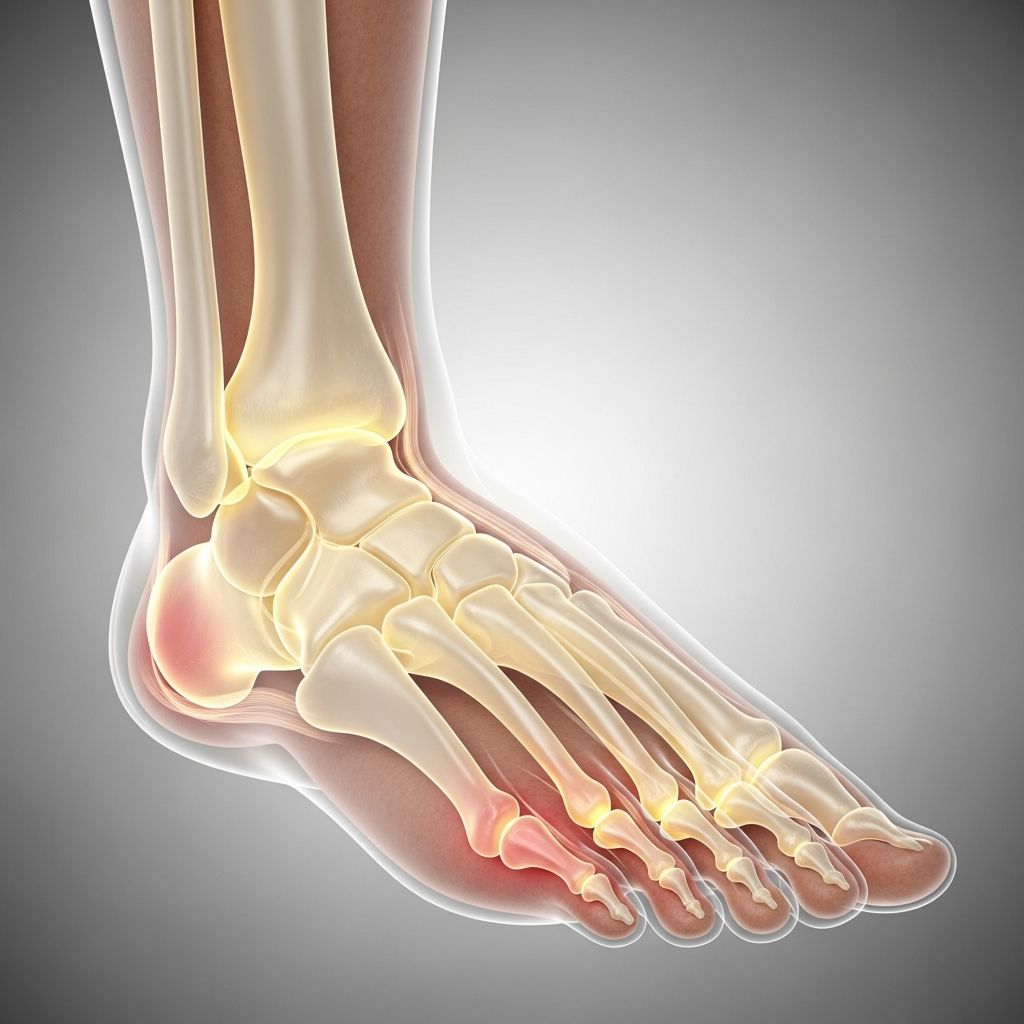
The feet bear the weight of the entire body, making them prone to pain from various causes, but persistent discomfort, swelling, or stiffness often points to arthritis. Arthritis encompasses over 100 conditions affecting joints, and the feet—with their 26 bones, 33 joints, and complex network of tendons, ligaments, and muscles—are frequently targeted, impacting daily activities like walking and standing.
How Arthritis Affects the Feet
Arthritis inflames the joints in the feet, leading to pain, swelling, and stiffness that worsens with activity or after rest. Over time, chronic inflammation erodes cartilage, damages bone surfaces, and weakens supporting structures, causing deformities such as hammertoes, bunions, or flattened arches. In osteoarthritis (OA), the most common form, cartilage breakdown makes bones rub together, producing grinding sensations and bone spurs. Inflammatory types like rheumatoid arthritis (RA) attack joint linings symmetrically, while psoriatic arthritis (PsA) and gout cause acute flares with enthesitis (tendon inflammation).
Foot pain from arthritis differs from other issues: unlike plantar fasciitis, which peaks with first morning steps and eases with movement, arthritis pain persists or intensifies throughout the day. Patients often describe it as walking on pebbles, especially in the forefoot where metatarsal joints connect toes to foot bones.
Osteoarthritis (OA)
Osteoarthritis, or wear-and-tear arthritis, commonly strikes weight-bearing foot joints like the big toe (hallux rigidus), subtalar joint, and ankle. Symptoms include deep, aching pain, stiffness after inactivity, reduced flexibility, and bony enlargements (osteophytes) that alter foot shape, making shoes ill-fitting. Bony growths at the big toe base form bunions; on the pinky toe, bunionettes. Advanced OA leads to joint space narrowing visible on X-rays, instability, and stress fractures from uneven weight distribution.
OA affects up to 20% of adults over 50, with feet involved in many cases due to lifelong stress. Risk factors include prior injuries, obesity, high-impact sports, and improper footwear. Pain localizes to affected joints, worsens with prolonged standing or walking, and may cause limping that strains knees, hips, and back.
Rheumatoid Arthritis (RA)
Rheumatoid arthritis, an autoimmune disease, symmetrically inflames small foot joints starting in hands, wrists, and feet. About 90% of RA patients eventually experience foot/ankle involvement, with 20% noticing symptoms there first. Morning stiffness lasting over 30 minutes, warmth, and swelling signal flares. Inflammation destroys bone and ligaments, leading to hammertoes (bent middle joints), claw toes (cocked-up big toe joint with curled others), hallux valgus (big toe drift), and collapsed arches (acquired flatfoot).
Synovitis (joint lining swelling) causes fusiform swelling; advanced RA forms rheumatoid nodules (pea-sized lumps) on heels or toes. Pain radiates, and walking becomes arduous as joints subluxate (partially dislocate). RA foot issues contribute to disability, with studies showing 50% of patients unable to walk unaided after 10 years without treatment.
Psoriatic Arthritis (PsA)
Psoriatic arthritis affects 30% of psoriasis patients, targeting feet with dactylitis (sausage-like toe swelling from tendon inflammation) in 40% of cases. Enthesitis hits attachment points: plantar fasciitis (heel-bottom pain, often with spurs), Achilles tendinitis (heel-back ache worst mornings), and nail psoriasis (pitting, separation). Toes swell entirely, limiting movement; heels burn with first steps.
Related Stories



PsA flares asymmetrically, causing stiffness, reduced range of motion, and foot deformities like pencil-in-cup (toe bone erosion). Unlike RA, it spares some joints while emphasizing tendons. Skin plaques on feet complicate matters, fostering infections.
Gout
Gout, crystal-induced arthritis, brutally attacks the big toe joint (podagra) in 50% of first attacks, with intense, throbbing pain, redness, heat, and swelling lasting 1-2 weeks. Urate crystals trigger flares from high-purine diets, alcohol, dehydration, or medications. Recurrent episodes erode joints, fostering OA. Tophi (urate deposits) form under skin, causing chronic pain and ulceration.
| Symptom | Description |
|---|---|
| Onset | Sudden, often nighttime |
| Pain Level | Excruciating; shoe touch intolerable |
| Duration | 3-10 days untreated |
| Triggers | Red meat, shellfish, beer |
Lupus and Foot Pain
Systemic lupus erythematosus (SLE) causes foot pain in 75% of patients via arthritis, myositis, neuropathy, and Raynaud’s (toe blanching/cyanosis). Joints swell intermittently; tendons weaken, drifting toes outward and flattening arches. Vasculitis damages vessels, fostering ulcers; neuropathy numbs feet, risking injuries. Lupus foot issues compound fatigue and mobility loss.
Other Causes of Foot Pain
- Ankylosing Spondylitis (AS): Heel enthesitis (Achilles/plantar) from spinal inflammation.
- Reactive Arthritis: Post-infection dactylitis, heel pain; resolves in 6-12 months.
- Tibialis Posterior Dysfunction: Arch collapse, medial pain/swelling.
- Bursitis: Fluid sacs inflame around toes, ball, heel, ankle.
Foot Deformities from Arthritis
Chronic inflammation reshapes feet: hammertoes (MTP hyperextension, PIP flexion), claw toes (MTP dorsiflexion, toe flexion), mallet toes (DIP flexion), bunions (hallux valgus), and hallux rigidus (big toe stiffness). RA/PSOA flatten longitudinal arches; bone spurs protrude. Deformities pressure skin, causing corns/calluses/ulcers, especially in diabetics.

These changes shift gait, overloading other joints and perpetuating pain cycles.
Treating Arthritis Foot Pain
Management blends medications, therapies, orthotics, and lifestyle. NSAIDs/steroids ease flares; DMARDs/biologics (for RA/PsA) halt progression. Physical therapy strengthens muscles; custom orthoses redistribute weight. Surgery—cheilectomy, fusion, joint replacement—reserved for severe cases.
Self-Care Strategies
- Choose wide, low-heel rocker-bottom shoes with soft insoles.
- Apply ice (20 min), elevate feet post-activity.
- Stretch calves/Achilles daily; use night splints for plantar fasciitis.
- Maintain healthy weight to cut joint load 4x per pound lost.
- Exercise: swimming, cycling, tai chi for low-impact strength.
When to See a Doctor
Seek care for persistent pain >2 weeks, swelling, redness, fever, inability to bear weight, or new deformities. Early intervention prevents damage; podiatrists/rheumatologists diagnose via exam, blood tests (RF, anti-CCP, ESR), imaging (X-ray, ultrasound, MRI). Urgent evaluation needed for skin breaks risking infection.
Frequently Asked Questions (FAQs)
What are the first signs of arthritis in feet?
Stiffness (especially mornings), aching pain after activity, mild swelling, and warmth around joints like the big toe or midfoot.
Can arthritis cause hammertoes?
Yes, RA and OA commonly cause hammertoes via ligament laxity and muscle imbalance.
Is foot pain always arthritis?
No, but persistent symptoms with stiffness/swelling warrant evaluation to rule out arthritis vs. fasciitis or neuropathy.
How can I prevent foot arthritis worsening?
Wear supportive shoes, manage weight, exercise regularly, and follow prescribed treatments.
Does gout only affect the big toe?
Primarily yes (50% first attacks), but can hit ankles, midfoot, or knees.
This comprehensive guide empowers those with foot pain to recognize arthritis signs, pursue timely care, and adopt habits for lasting relief. With proper management, most maintain active lives despite diagnosis.
References
- When Foot Pain May Mean Arthritis — Arthritis Foundation. 2023. https://www.arthritis.org/health-wellness/about-arthritis/where-it-hurts/when-foot-pain-may-mean-arthritis
- Demystifying Foot Pain — Arthritis Australia. 2024. https://www.arthritis.org.au/arthritis/arthritis-insights/living-well-with-arthritis/what-causes-foot-pain/
- Plantar Fasciitis Heel Pain — Arthritis Foundation. 2023. https://www.arthritis.org/health-wellness/about-arthritis/related-conditions/other-diseases/heel-pain-and-plantar-fasciitis
- Foot and Ankle Pain — Versus Arthritis (UK). 2024. https://www.arthritis-uk.org/information-and-support/understanding-arthritis/conditions/foot-and-ankle-pain/
- A Guide to Feet and Arthritis — Arthritis Foundation. 2022. https://www.arthritis.org/getmedia/a65beb30-af44-4221-a1bc-ffb7f3d4376b/AF-Feet-ebook.pdf
Similar Articles








Read full bio of Sneha Tete