When Hip Pain May Mean Arthritis: Symptoms & Management Guide
Understand the various types of arthritis that cause hip pain, their symptoms, and when to seek medical help for effective management.
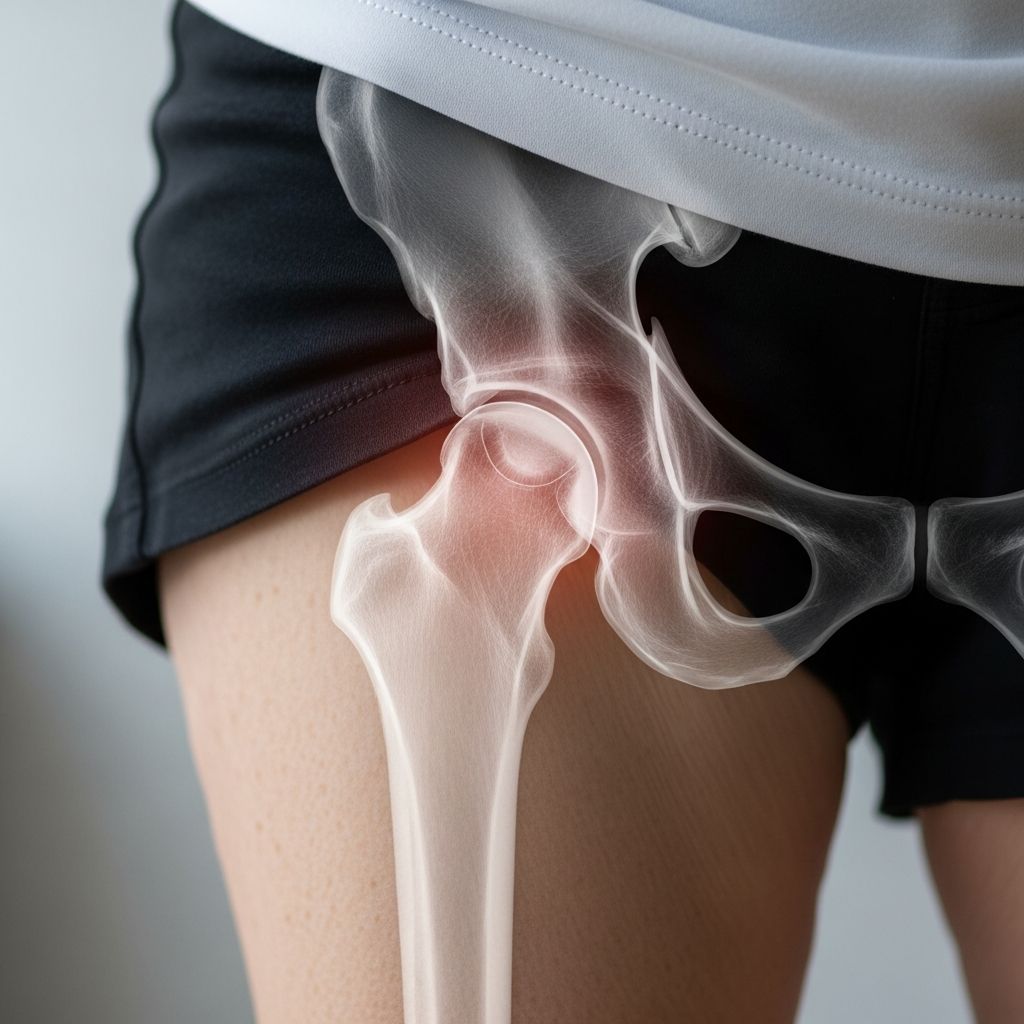
Hip pain affects millions, often signaling arthritis when accompanied by stiffness, swelling, or reduced mobility. This comprehensive guide covers arthritis types causing hip discomfort, symptoms, diagnosis, and management strategies based on expert insights.
Hip pain can originate from the joint itself or surrounding tissues, manifesting on the outside or inside of the hip, upper thigh, or outer buttock. Arthritis is a leading cause, involving joint inflammation and damage.
Osteoarthritis
**Osteoarthritis (OA)**, the most prevalent arthritis form, previously termed “wear and tear” arthritis, deteriorates joint cartilage cushioning bone ends. This leads to inflammation, pain, stiffness, motion loss, and bone spurs.
In hips, OA pain typically radiates to the groin, front thigh, buttocks, or knee. Stiffness peaks after inactivity, like mornings or prolonged sitting, easing with gentle movement but worsening with weight-bearing activities such as walking or standing.
Symptoms progress gradually over months or years, sometimes triggered by injury. Pain may fluctuate, intensifying end-of-day or during flare-ups with heightened stiffness. Advanced cases cause limping, leg-length discrepancies, and deformities from cartilage wear exposing rough bone surfaces.
- Groin or thigh ache during activity or rest.
- Start-up pain upon rising after sitting.
- Grating sensation or popping on movement.
- Reduced range of motion, difficulty bending or rotating hip.
Early OA responds to conservative measures: ice, rest, activity modification, anti-inflammatories, or injections. Severe cases may require hip replacement.
Rheumatoid Arthritis
**Rheumatoid arthritis (RA)** is an autoimmune disorder where the immune system attacks joint tissues, causing chronic inflammation. Unlike OA’s unilateral onset, RA often symmetrically affects both hips, with pain, stiffness, or swelling in hips, thighs, or groin.
RA hip symptoms include warmth, swelling beyond the joint, and morning stiffness lasting over 30 minutes. It impacts multiple joints and organs, distinguishing it from OA.
- Bilateral hip involvement.
- Inflammatory signs: redness, heat, swelling.
- Fatigue, fever during flares.
- Systemic effects like nodules or lung issues.
Early RA treatment with DMARDs or biologics prevents joint destruction.
Juvenile Arthritis
**Juvenile arthritis (JA)** encompasses rheumatic diseases in children under 16. Types like juvenile idiopathic arthritis (JIA) cause hip pain and swelling, potentially leading to growth issues or avascular necrosis if untreated.
Symptoms mimic adult arthritis: limp, refusal to bear weight, fever, rash. Prompt diagnosis via pediatric rheumatologist is crucial to preserve joint function.
AxSpA
**Axial spondyloarthritis (axSpA)** inflames the spine and sacroiliac joints linking spine to hips, causing lower back, buttock, and hip pain worse at night or morning. It may fuse vertebrae, stiffening hips and ribs.
Common in young adults, features include enthesitis (tendon inflammation) and uveitis. NSAIDs, biologics manage symptoms; hip replacement for advanced damage.
Psoriatic Arthritis
**Psoriatic arthritis (PsA)** links psoriasis skin disease to joint inflammation, affecting hips with groin, outer thigh, or buttock pain. It targets large/small joints, nails, and spine.
Related Stories



- Skin plaques, nail pitting.
- Asymmetric joint swelling (dactylitis).
- Enthesitis at Achilles or plantar fascia.
Treatment mirrors RA, emphasizing skin-joint control.
Infectious Arthritis
**Infectious (septic) arthritis** stems from bacterial, viral, or fungal bloodstream infections invading the hip joint. Onset is acute with severe pain, swelling, fever, chills; rarely multi-joint.
Emergency requiring antibiotics, drainage; delays risk joint destruction.
Reactive Arthritis
**Reactive arthritis** follows genitourinary, urinary, or GI infections, inflaming large joints like hips, knees, shoulders. Triad: arthritis, conjunctivitis, urethritis; self-limits but recurs.
Arthritis-Related Conditions
Myositis
**Myositis** inflames muscles, starting with hip/shoulder weakness, pain. Difficulty rising from chairs, combing hair signals proximal myopathy.
Autoimmune; treated with immunosuppressants. Elevated CK levels, biopsy confirm.
Other Causes of Hip Pain Mimicking Arthritis
Not all hip pain is arthritic. Differentiate:
- Trochanteric bursitis: Lateral hip tenderness, not joint-related; responds to injections.
- Stress fractures: Runners; groin pain on weight-bearing.
- Strains/dislocations: Traumatic; acute severe pain.
- Avascular necrosis: Bone death mimicking OA.
| Condition | Pain Location | Key Features |
|---|---|---|
| Osteoarthritis | Groin, thigh | Gradual, activity-related stiffness |
| RA | Bilateral groin/thigh | Swelling, morning stiffness >30min |
| Bursitis | Lateral hip | Tenderness to touch, no joint swelling |
| Infectious | Joint-centered | Fever, acute onset |
Getting a Proper Diagnosis
Self-diagnosis risks progression to disability. Consult primary care; referral to rheumatologist/orthopedist for:
- History/physical exam (ROM, gait).
- X-rays (joint space narrowing, spurs).
- MRI/CT for soft tissue/bone.
- Blood tests (ESR, CRP, RF, anti-CCP for inflammatory).
- Joint aspiration rules out infection.
Early intervention preserves function.
Treatment and Management
Tailor to type/severity:
- Conservative: Weight loss, PT, cane use, heat/ice, NSAIDs/acetaminophen.
- Injections: Corticosteroids, hyaluronic acid.
- Advanced: DMARDs/biologics (RA, axSpA), surgery (replacement).
- Lifestyle: Low-impact exercise (swim, bike), balance training.
Night pain? Elevate, mattress topper, avoid stomach sleeping.
Frequently Asked Questions (FAQs)
What are the first signs of hip arthritis?
Groin/thigh pain worsening with activity, morning stiffness <30min (OA) or longer (inflammatory).
Does hip arthritis hurt all the time?
No; early intermittent, progresses to constant. Flares alternate with relief.
Can hip arthritis cause leg length difference?
Yes, advanced OA erodes cartilage unevenly, shortening affected leg.
How to relieve hip arthritis pain at night?
Sleep side-lying with pillow between knees; avoid stomach sleeping.
When to see a doctor for hip pain?
If persists >2 weeks, limits walking, with swelling/fever.
Is walking good for hip arthritis?
Yes, moderate; strengthens muscles, but avoid overexertion.
Donate to Arthritis Foundation for research/education.
References
- Osteoarthritis of the Hip (Hip Arthritis) — UW Orthopaedic Surgery and Sports Medicine. 2023. https://orthop.washington.edu/patient-care/articles/hip/osteoarthritis-of-the-hip-hip-arthritis.html
- Osteoarthritis: Symptoms, Diagnosis, and Treatment — Arthritis Foundation. 2025-01-10. https://www.arthritis.org/diseases/osteoarthritis
- When Hip Pain May Mean Arthritis — Arthritis Foundation. 2025. https://www.arthritis.org/health-wellness/about-arthritis/where-it-hurts/when-hip-pain-may-mean-arthritis
- Osteoarthritis of the hip factsheet — Arthritis UK. 2022-06-01. https://www.arthritis-uk.org/media/22306/osteoarthritis-of-the-hip-factsheet.pdf
- 4 Causes of Hip Pain at Night — Arthritis Foundation. 2024. https://www.arthritis.org/health-wellness/about-arthritis/understanding-arthritis/causes-and-treatments-for-nighttime-hip-pain
Similar Articles








Read full bio of Sneha Tete