When Knee Pain May Mean Arthritis: 5 Types, Symptoms, Diagnosis
Discover how knee pain, swelling and stiffness could signal arthritis. Learn about types, symptoms and when to seek diagnosis for effective management.
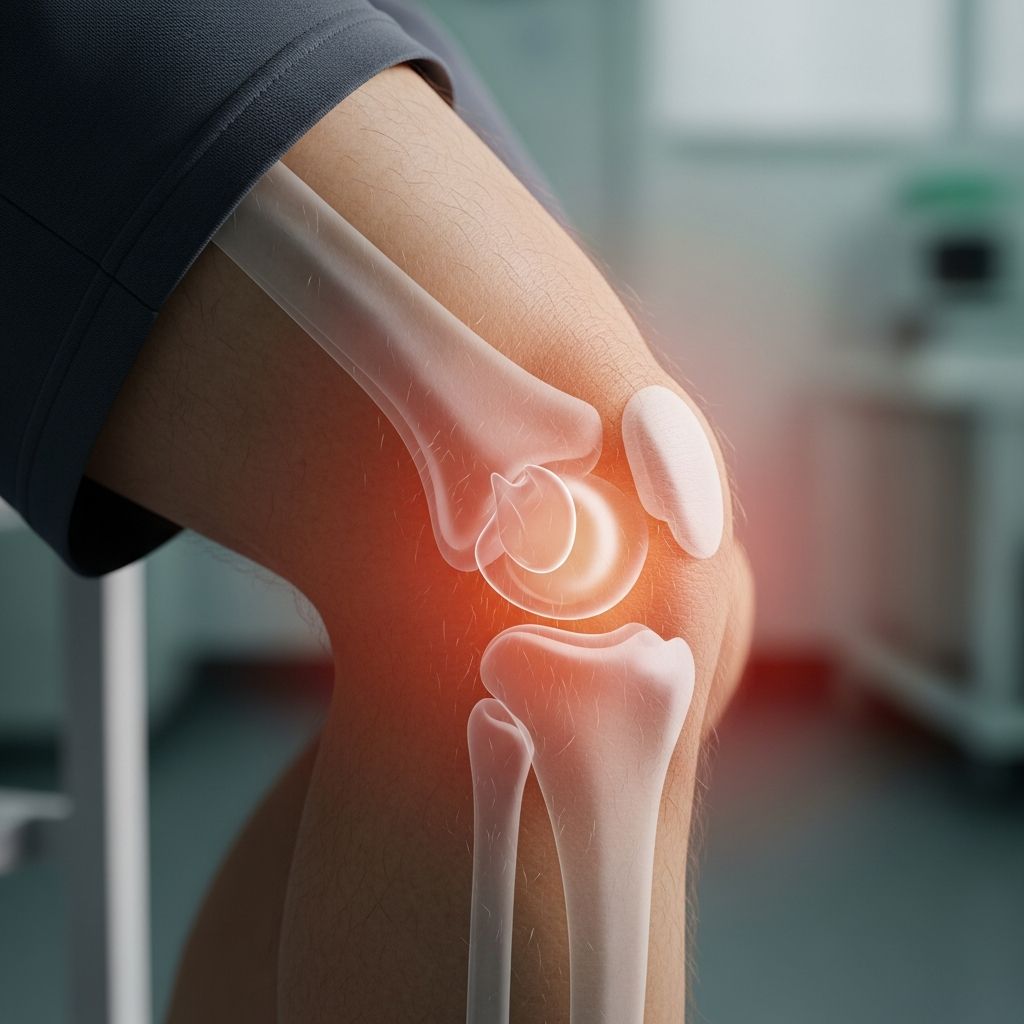
The knee joint, one of the body’s largest and most complex structures, bears significant weight and enables essential movements like walking, running and jumping. When knee pain arises, accompanied by swelling and stiffness, it often signals arthritis or related conditions. Understanding these symptoms is crucial for early intervention, as untreated issues can lead to joint damage, reduced mobility and long-term disability. This article explores common arthritis types affecting the knees, their distinct symptoms, diagnostic approaches and management strategies, drawing from authoritative health resources.
Osteoarthritis
**Osteoarthritis (OA)** is the most prevalent form of arthritis and frequently targets the knees. It develops when the protective cartilage cushioning the bone ends erodes, causing bones to rub together. This friction results in stiffness, pain and diminished joint function. Knees are highly susceptible due to their load-bearing role; common sensations include a grating feeling during movement or audible popping/crackling noises.
Symptoms of knee OA typically progress gradually. Patients often report aching pain during or after activity, morning stiffness lasting under 30 minutes, reduced range of motion, joint swelling, muscle weakness and instability where the knee may buckle. Pain intensifies at day’s end or with prolonged use, such as climbing stairs, and may radiate to the groin or thigh in some cases. Physical changes include bony enlargements (osteophytes), crepitus (grinding sounds) and cool effusions, distinguishing OA from inflammatory types.
Contributing factors include prior injuries, obesity, age and repetitive stress. The knee’s menisci—cartilage rings distributing weight—thin out, roughening joint surfaces and causing instability. Hard swelling from osteophytes or soft swelling from excess fluid (effusion) can occur, sometimes forming a Baker’s cyst at the knee’s back, which may burst and mimic calf issues. Muscle atrophy in the thighs exacerbates instability, altering gait and potentially affecting hips.
Rheumatoid Arthritis
**Rheumatoid arthritis (RA)** is an autoimmune disorder where the immune system erroneously attacks joint linings, triggering chronic inflammation. This leads to synovial damage, pain, swelling and functional loss. Unlike OA’s unilateral onset, RA symmetrically impacts joints; knee involvement typically affects both sides.
Symptoms mirror general inflammatory arthritis: prolonged morning stiffness exceeding 30 minutes, warmth, redness and swelling persisting over three days or recurring frequently. RA pain can occur at rest or during motion, often accompanied by systemic fatigue and fever. In knees, inflammation causes boggy synovitis, absent in OA. Early diagnosis is vital to prevent erosive joint destruction.
Gout
**Gout**, a crystal-induced arthritis, arises from excess uric acid forming needle-like urate crystals in joints. Though big toe attacks are classic, knees are commonly involved in subsequent flares. Symptoms erupt suddenly with excruciating pain peaking in 4-12 hours, intense swelling, redness and warmth.
Lingering discomfort may last weeks, with recurrent episodes affecting more joints and increasing in duration. Risk factors include diet high in purines, alcohol, dehydration and genetics. Knee gout mimics infection but resolves without treatment, though chronic cases lead to tophi (crystal deposits) and joint erosion.
Related Stories



Reactive Arthritis
**Reactive arthritis** follows infections in genital, urinary or gastrointestinal tracts, manifesting as sterile joint inflammation weeks later. Large joints like knees, hips and shoulders are primary targets. Symptoms include asymmetric pain, swelling and stiffness, often with eye inflammation (conjunctivitis) or urethritis forming the ‘can’t see, can’t pee, can’t climb a tree’ triad.
It tends to be self-limiting but can become chronic in 15-50% of cases, requiring antibiotics for underlying infection and anti-inflammatories for joints.
Infectious Arthritis
**Infectious (septic) arthritis** stems from pathogens invading the joint space, usually via bloodstream spread, though direct trauma or surgery can introduce bacteria, viruses or fungi. Knees are the most affected joint. Hallmarks are acute, severe pain, fever, hot/red swelling and rapid function loss—medical emergencies risking joint destruction within days if untreated.
Diagnosis involves joint aspiration for culture; treatment combines antibiotics and drainage. Prompt intervention preserves function.
Getting a Proper Diagnosis
Self-diagnosing knee pain is unreliable, as mimics abound: meniscus tears, ligament sprains, dislocations, patellofemoral syndrome, bursitis, tendinitis or adhesions restricting motion. Non-arthritic causes like fractures or tumors must be excluded.
Consult a primary care physician promptly for persistent pain, swelling >3 days, recurrent episodes (>3/month), redness/warmth, instability or motion difficulty. Expect history, exam, imaging (X-rays for OA/erosions, MRI for soft tissue) and labs (ESR/CRP for inflammation, uric acid for gout, synovial fluid analysis). Referrals to rheumatologists or orthopedists ensure targeted care. Untreated arthritis progresses to disability; early therapies like NSAIDs, PT, injections or surgery halt decline.
Warning Signs of Arthritis in Knees
- Pain: Constant, activity-worsened, rest-relieved (OA) or inflammatory.
- Swelling: Hard (osteophytes) or soft (effusion), lasting >3 days.
- Stiffness: Brief in OA (<30 min), prolonged in RA.
- Reduced Motion/Crepitus: Grinding, popping.
- Instability: Buckling, weakness.
- Warmth/Redness: Inflammatory hallmark.
Management and Lifestyle Tips
While awaiting diagnosis, apply RICE (Rest, Ice, Compression, Elevation). Maintain healthy weight to reduce knee load—each pound lost eases 4 pounds pressure. Low-impact exercises like swimming, cycling strengthen muscles without stress. Braces or orthotics aid stability.
| Arthritis Type | Key Knee Symptoms | Typical Onset |
|---|---|---|
| Osteoarthritis | Grating, aching post-activity, stiffness <30min | Gradual |
| Rheumatoid | Symmetric swelling, prolonged stiffness, warmth | Insidious |
| Gout | Sudden severe pain/swelling, peaks 4-12hrs | Acute flares |
| Reactive | Asymmetric large joint pain post-infection | 2-4 weeks post-infection |
| Infectious | Fever, hot/red joint, rapid destruction | Acute |
Frequently Asked Questions (FAQs)
Is knee pain always arthritis?
No, injuries like tears or sprains cause similar pain. Professional diagnosis differentiates.
How do I know if it’s OA or RA?
OA: gradual, mechanical pain, crepitus. RA: symmetric, morning stiffness >1hr, systemic symptoms.
Can gout affect knees?
Yes, after initial toe attacks, knees are common sites for flares.
When should I see a doctor for knee pain?
Immediately for swelling >3 days, redness, fever or instability.
Can knee arthritis be prevented?
Minimize risks via weight control, injury prevention, healthy diet.
Addressing knee pain proactively improves quality of life. Consult healthcare providers for tailored plans encompassing medications, therapy and lifestyle changes to preserve mobility.
References
- When Knee Pain May Mean Arthritis — Arthritis Foundation. 2023. https://www.arthritis.org/health-wellness/about-arthritis/where-it-hurts/when-knee-pain-may-mean-arthritis
- Osteoarthritis: Symptoms, Diagnosis, and Treatment — Arthritis Foundation. 2024. https://www.arthritis.org/diseases/osteoarthritis
- Osteoarthritis (OA) of the knee — Arthritis UK. 2024. https://www.arthritis-uk.org/information-and-support/understanding-arthritis/conditions/osteoarthritis-of-the-knee/
- Do I Have Arthritis? — Arthritis Foundation. 2023. https://www.arthritis.org/health-wellness/about-arthritis/understanding-arthritis/do-i-have-arthritis
- Recognizing the Symptoms of Arthritis — Arthritis Foundation. 2023. https://www.arthritis.org/health-wellness/about-arthritis/understanding-arthritis/recognizing-the-symptoms-of-arthritis
- Osteoarthritis: Signs and Symptoms — Johns Hopkins Arthritis Center. 2024. https://www.hopkinsarthritis.org/arthritis-info/osteoarthritis/signs-and-symptoms/
Similar Articles








Read full bio of Sneha Tete