When a Pain in the Neck Is Serious
Learn to distinguish between common neck pain and serious conditions requiring emergency care.
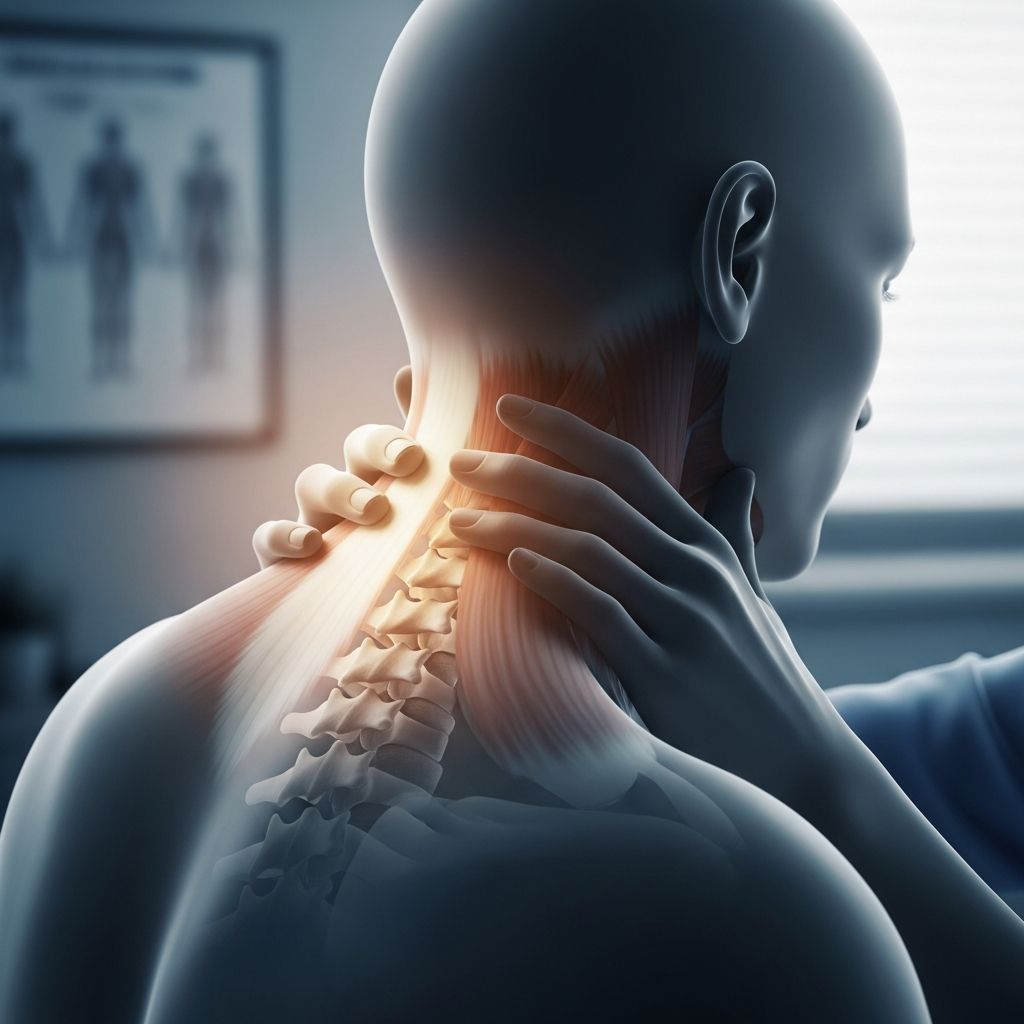
When a Pain in the Neck Is Serious: Understanding Heart-Related Symptoms
Most people experience neck pain at some point in their lives, often attributing it to poor posture, muscle strain, or sleeping in an awkward position. While these common causes are typically harmless and resolve with rest and over-the-counter medications, neck pain can sometimes signal a more serious underlying health condition that demands immediate medical attention. Understanding the difference between benign neck discomfort and symptoms indicating a potentially life-threatening illness is crucial for your health and safety.
Neck pain becomes particularly concerning when it occurs alongside other symptoms, especially those related to cardiac events or neurological problems. The challenge for many patients lies in recognizing when their discomfort warrants an emergency room visit rather than a simple home remedy. This comprehensive guide will help you identify the warning signs that indicate your neck pain may be serious and requires professional medical evaluation.
The Anatomy of Neck Pain and Why It Matters
The neck, or cervical spine, contains seven vertebrae that support your head and protect your spinal cord. Between these vertebrae are cartilage discs that act as cushions, while muscles, tendons, and ligaments provide support and allow for movement. Given this complex structure and the proximity of vital structures including blood vessels and nerves, neck pain can originate from various sources—some benign and others serious.
Common causes of mild to moderate neck pain include poor posture, muscle strain from repetitive activities, sleeping awkwardly, or stress-related muscle tension. However, more serious conditions such as heart attacks, spinal cord compression, nerve damage, or infections can also manifest as neck pain or pain radiating from the neck to other areas of the body.
Red Flags: When Neck Pain Requires Emergency Care
Certain symptoms accompanying neck pain should trigger immediate concern and prompt you to seek emergency medical attention. These warning signs may indicate conditions ranging from cardiac emergencies to serious spinal injuries.
Chest Pain Combined With Neck Pain
One of the most critical warning signs is chest pain occurring alongside neck or jaw pain. This combination can indicate a heart attack, particularly in women, who often experience atypical cardiac symptoms. When chest pain radiates to the neck, jaw, shoulder, or arm, this is a classic presentation of acute coronary syndrome. Do not delay—seek emergency care immediately if you experience this combination of symptoms.
Difficulty Breathing or Swallowing
Neck pain accompanied by trouble breathing or difficulty swallowing warrants urgent evaluation. These symptoms may indicate airway obstruction, severe infection, or other serious conditions affecting your respiratory or digestive systems. If you experience shortness of breath or feel as though your throat is closing, call 911 immediately.
Neurological Symptoms
Numbness, tingling, weakness, or loss of coordination in your arms, hands, or legs accompanying neck pain suggests possible nerve compression or spinal cord involvement. These neurological symptoms may indicate a herniated disc, spinal stenosis, or other serious spinal conditions. Additionally, if you experience sudden dizziness, confusion, vision changes, or loss of consciousness, seek emergency care right away, as these may signal stroke or other critical neurological events.
Loss of Bowel or Bladder Control
One of the most serious red flags is loss of control over bowel or bladder function occurring with neck pain. This symptom combination strongly suggests cauda equina syndrome or another severe spinal cord compression that can lead to permanent paralysis if not treated urgently. This is a medical emergency requiring immediate hospitalization.
High Fever With Severe Headache
When neck pain occurs alongside a high fever and severe headache, meningitis—an infection of the membranes surrounding the brain and spinal cord—should be considered. Meningitis is a life-threatening condition requiring immediate antibiotic treatment. Seek emergency care if you develop this symptom combination, especially if you also experience sensitivity to light, confusion, or a rash.
Traumatic Injury
Any neck pain following a significant accident, fall, motor vehicle collision, sports injury, or other trauma warrants professional medical evaluation. Even if the injury seems minor initially, spinal injuries can be subtle and develop complications over time. Always seek medical attention after trauma to rule out fractures, ligament injuries, or other damage.
When to Call 911: Immediate Emergency Symptoms
Certain symptom combinations require calling emergency services without delay. Do not attempt to drive yourself to the hospital if you experience any of the following:
- Chest pain with neck pain, shortness of breath, or pain radiating down your arm
- Severe difficulty breathing or swallowing
- Confusion, severe dizziness, or loss of consciousness
- Signs of stroke: facial drooping, arm weakness, or speech difficulty
- High fever (above 103°F), severe headache, and neck stiffness
- Severe neurological symptoms: sudden paralysis, numbness, or weakness affecting multiple limbs
- Any signs of serious trauma or accident involving your head and neck
Distinguishing Between Serious and Non-Serious Neck Pain
Not all neck pain signals danger. Understanding the characteristics of benign versus serious neck pain can help you make informed decisions about seeking care.
| Characteristic | Non-Serious Neck Pain | Potentially Serious Neck Pain |
|---|---|---|
| Onset | Gradual, after identifiable activity or poor posture | Sudden onset, especially after trauma or without clear cause |
| Associated Symptoms | Localized stiffness and soreness | Chest pain, neurological symptoms, fever, difficulty breathing |
| Response to Treatment | Improves with rest, heat, and over-the-counter pain relief | Does not improve or worsens despite treatment |
| Duration | Usually resolves within days to weeks | Persistent or progressive symptoms |
| Radiation Pattern | Localized to neck area | Radiates to chest, arm, or extends broadly |
What Happens in the Emergency Room
If you present to an emergency department with neck pain, medical staff will perform a systematic evaluation to determine the cause and severity of your symptoms. The process typically begins with vital signs assessment, including blood pressure, heart rate, temperature, and respiratory rate. Your medical history will be reviewed, and you’ll be asked detailed questions about when the pain started, what makes it better or worse, and what other symptoms you’re experiencing.
Depending on your symptoms, the medical team may order various diagnostic tests. These may include X-rays to identify fractures or structural abnormalities, CT scans for more detailed imaging of bones and soft tissues, or MRI scans to visualize nerve and spinal cord involvement. If cardiac problems are suspected, an electrocardiogram (EKG) and blood tests may be performed. A neurological examination may assess your reflexes, strength, sensation, and coordination to identify any nerve or spinal cord involvement.
Once a diagnosis is established, the emergency team will focus on immediate stabilization and pain management. Treatment depends entirely on the underlying cause and may range from pain medication and rest to emergency interventions for life-threatening conditions.
Conditions That Can Cause Serious Neck Pain
Understanding potential serious causes of neck pain can help you recognize when professional evaluation is necessary. Heart attacks, particularly in women, frequently cause jaw, neck, and shoulder pain as primary or sole symptoms. Spinal cord compression from herniated discs, bone spurs, or tumors can cause radiating pain, numbness, and weakness. Meningitis presents with neck pain, high fever, headache, and sensitivity to light. Cauda equina syndrome involves compression of nerves at the base of the spinal cord, causing back pain, leg pain, numbness, and loss of bladder or bowel control.
Cervical myelopathy, caused by spinal cord compression in the neck, results in progressive weakness, numbness, and loss of coordination. Vertebral artery dissection, a tear in the artery supplying blood to the brain, can cause neck pain, headache, and stroke symptoms. Infections such as cervical osteomyelitis affect the vertebrae, causing pain, fever, and sometimes neurological symptoms.
Preventing Neck Pain from Becoming an Emergency
While some serious conditions cannot be prevented, many cases of acute neck pain can be avoided through lifestyle modifications and preventive measures.
- Practice proper posture while sitting, standing, and walking to reduce neck strain
- Use ergonomic positioning when working at computers or using mobile devices
- Take regular breaks from repetitive activities to stretch and move
- Sleep with proper neck support using appropriate pillows
- Strengthen neck and shoulder muscles through regular exercise
- Manage stress through relaxation techniques, as tension often causes muscle tightness
- Avoid carrying heavy bags on one shoulder for extended periods
- Always wear your seatbelt and practice safe driving habits
- Maintain a healthy weight to reduce stress on your cervical spine
- Quit smoking, as it impairs blood flow to spinal discs
- Ensure adequate vitamin D and calcium intake for bone health
When to Follow Up With a Specialist
After an emergency department evaluation, your physician may refer you to a specialist for further management. A primary care physician typically coordinates your ongoing care, while specialists may include neurologists for nerve-related symptoms, orthopedic surgeons for bone and joint issues, or cardiologists if cardiac causes are suspected. Pain management specialists can provide advanced treatment options including physical therapy, injections, and other interventions tailored to your specific condition.
Follow-up care is essential for monitoring recovery, preventing complications, and addressing ongoing symptoms. Do not ignore recommendations for follow-up appointments, as delayed diagnosis of certain conditions can result in permanent damage.
Frequently Asked Questions
Q: How can I tell if my neck pain is from a heart attack?
A: Heart attack-related neck pain often occurs with chest pain, shortness of breath, arm pain or numbness, nausea, or sweating. Seek emergency care if you experience this symptom combination, especially if you have cardiac risk factors.
Q: Should I go to the ER for sudden neck pain?
A: If the sudden neck pain occurs without clear cause or is accompanied by other symptoms like chest pain, difficulty breathing, neurological symptoms, or recent trauma, yes—seek emergency evaluation.
Q: What’s the difference between a stiff neck and serious neck pain?
A: A stiff neck from sleeping awkwardly typically resolves with stretching and movement. Serious neck pain persists, worsens, or occurs with concerning symptoms requiring medical evaluation.
Q: Can stress cause neck pain that needs emergency care?
A: Stress typically causes mild muscle tension that improves with relaxation. However, if stress-related neck pain occurs with concerning symptoms, seek professional evaluation.
Q: When should I see a doctor for persistent neck pain?
A: If neck pain persists for more than a few days, worsens despite home treatment, or is accompanied by symptoms like headache, numbness, or radiating pain, contact your physician.
References
- When to Seek Immediate Medical Attention for Neck Pain — Harvard Health Publishing. 2023-03-22. https://www.health.harvard.edu/pain/when-to-seek-immediate-medical-attention-for-neck-pain
- Chest Pain and Neck Pain: Warning Signs of Heart Attack — American Heart Association. https://www.heart.org/
- Meningitis: Symptoms and Emergency Warning Signs — Centers for Disease Control and Prevention (CDC). https://www.cdc.gov/meningitis/bacterial/index.html
- Cauda Equina Syndrome: A Medical Emergency — American Academy of Orthopaedic Surgeons. https://orthoinfo.aaos.org/
- Cervical Spine Injuries and Spinal Cord Compression — National Institutes of Health (NIH). https://www.ninds.nih.gov/
- Acute Coronary Syndrome: Atypical Presentations in Women — American College of Cardiology. https://www.acc.org/
Similar Articles








Read full bio of Sneha Tete