When To Take Ashwagandha: 3 Best Times for Stress & Sleep
Discover the optimal timing, dosage, and benefits of ashwagandha for stress relief, better sleep, and overall wellness.
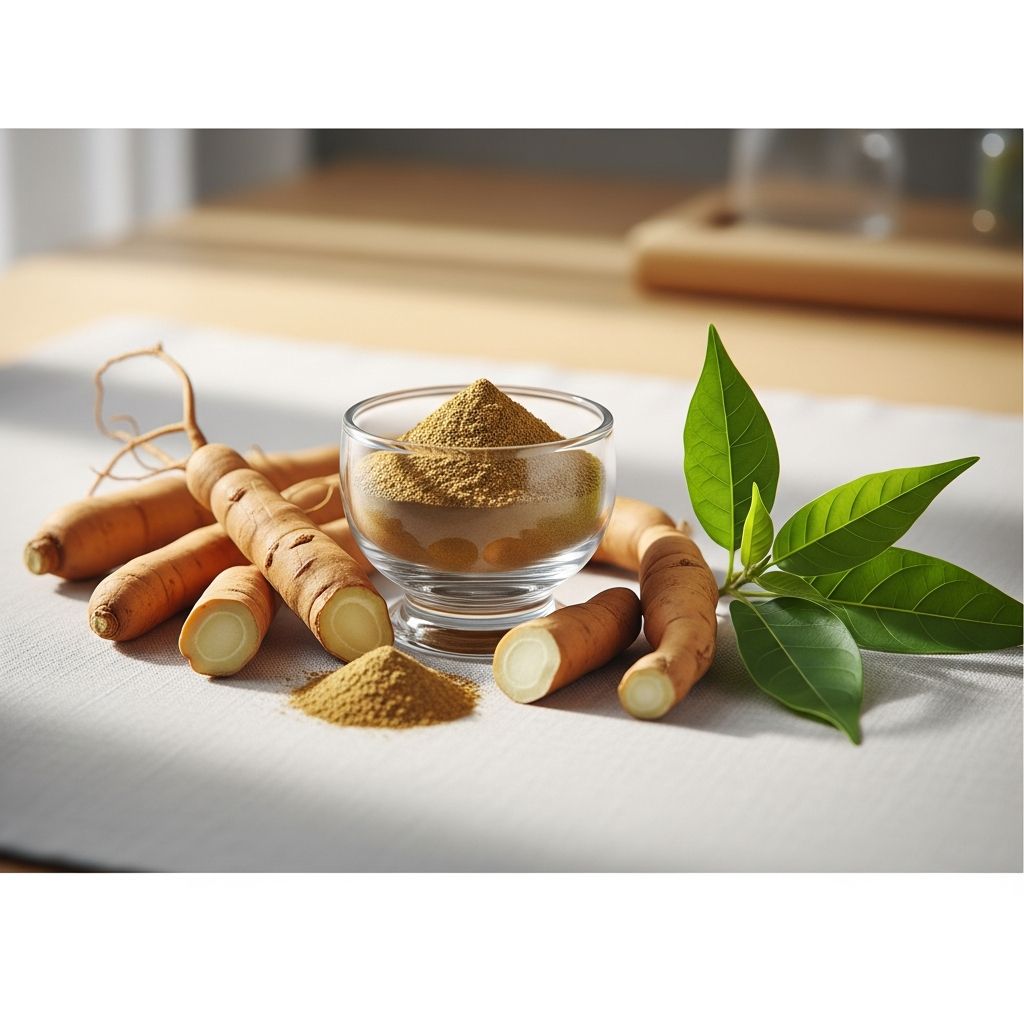
Ashwagandha, an ancient herb from Ayurvedic medicine, has surged in popularity for its adaptogenic properties that help the body manage stress. Known scientifically as Withania somnifera, it’s rich in withanolides, compounds believed to contribute to its effects on stress, anxiety, and sleep. But timing matters—taking it at the right time can optimize benefits while minimizing side effects.
This article covers the best times to take ashwagandha, recommended dosages, potential benefits, safety considerations, and expert insights, drawing from clinical research and health authorities.
What Is Ashwagandha?
Ashwagandha is a shrub native to India, North Africa, and the Middle East, revered in Ayurveda as a rasayana or rejuvenator. Its root and leaves are used in supplements, often as extracts standardized to withanolide content. It’s promoted for reducing cortisol (stress hormone) levels, improving sleep quality, enhancing cognitive function, and supporting physical performance.
Preclinical studies suggest withanolides play a key role, but other phytochemicals like alkaloids may also contribute. Human trials, including randomized controlled studies, show promising results for perceived stress reduction.
Benefits of Ashwagandha
Research supports several benefits:
- Stress and Anxiety Reduction: Multiple studies show ashwagandha lowers perceived stress. In one trial, adults taking 225-400 mg/day of root/leaf extract for 30 days reported less stress, anxiety, and depression, with reduced saliva cortisol at the lower dose.
- Sleep Improvement: A 90-day study of 130 adults found ashwagandha improved sleep efficiency, total sleep time, latency, and awakenings via actigraphy, alongside better quality of life.
- Cognitive and Physical Support: Participants noted enhanced multitasking, concentration, and overall well-being.
- Other Potential Uses: Preliminary evidence suggests benefits for food cravings, thyroid function, and athletic performance, though more research is needed.
Best Time to Take Ashwagandha
The optimal timing depends on your goals:
- For Stress Relief During the Day: Morning with breakfast. This aligns with natural cortisol peaks, helping sustain calm throughout the day without drowsiness. Experts recommend 300-600 mg split into two doses.
- For Sleep and Relaxation: Evening, 30-60 minutes before bed. Its mild sedative effects promote better sleep onset and quality. Doses around 250-600 mg work well here.
- With or Without Food? With food to enhance absorption and reduce stomach upset, especially for root extracts.
- Cycling Use: Take for 8-12 weeks, then break for 2-4 weeks to prevent tolerance.
| Goal | Best Time | Dosage Range | Tips |
|---|---|---|---|
| Stress/Anxiety | Morning | 300-600 mg/day | Split doses; with breakfast |
| Sleep | Evening | 250-600 mg | 30-60 min before bed |
| General Wellness | Morning or split | 225-600 mg/day | Consistent daily use |
Recommended Dosage
Standard doses from studies range from 225-600 mg/day of root extract standardized to 5% withanolides. A Florida trial used 225 or 400 mg NooGandha for 30 days with benefits. An Indian study used sustained-release Prolanza extract, showing effects by day 60. Start low (250 mg) and consult a doctor for personalized advice, especially if on medications.
Forms of Ashwagandha
- Capsules/Tablets: Most common, precise dosing.
- Powder: Mix into smoothies or milk; traditional Ayurvedic method (moon milk).
- Gummies/Tinctures: Convenient but check for added sugars/alcohol.
- Standardized Extracts: Like KSM-66 or Sensoril for consistent potency.
Side Effects and Safety
Ashwagandha is generally safe short-term, but evidence for long-term use is limited. Common side effects include mild GI upset, drowsiness, or headache. Rare serious issues include liver injury cases, often with unverified products or combinations.
Related Stories



- Contraindications: Avoid if pregnant (potential abortifacient), breastfeeding, or with autoimmune/thyroid conditions without medical advice.
- Interactions: May enhance sedatives, thyroid meds, or immunosuppressants.
Denmark banned it in 2023 due to concerns over thyroid/sex hormones and abortion risks. Always choose third-party tested products.
How to Choose Quality Ashwagandha
- Look for USP/NSF certification.
- Standardized to 1.5-5% withanolides.
- Organic, full-spectrum root extracts preferred.
- Avoid fillers or proprietary blends without transparency.
Frequently Asked Questions (FAQs)
Can you take ashwagandha every day?
Yes, for 8-12 weeks cycles, but take breaks and monitor for side effects.
Does ashwagandha make you gain weight?
No direct link; some report appetite changes, but studies show reduced food cravings.
Is ashwagandha safe for women?
Generally yes, but avoid during pregnancy; consult for hormone-sensitive issues.
How long does it take to work?
Effects on stress may appear in 2-4 weeks; sleep benefits in 4-8 weeks.
Can I take it with coffee?
Yes in morning for energy balance, but monitor for jitters.
Expert Advice
Registered dietitians and herbalists emphasize consistency, quality, and personalization. “Pair it with lifestyle changes like meditation for best stress results,” notes one expert. Always consult healthcare providers, especially with conditions or meds.
In summary, morning for stress, night for sleep—tailor to your needs for optimal results. Research continues to validate ashwagandha’s role in modern wellness.
References
- Ashwagandha: Is it helpful for stress, anxiety, or sleep? Overview for health professionals — Office of Dietary Supplements, National Institutes of Health (NIH). 2024-06-05. https://ods.od.nih.gov/factsheets/Ashwagandha-HealthProfessional/
- A standardized Ashwagandha root extract alleviates stress, anxiety, and improves quality of life — Fuladi S et al. Medicine (Baltimore). 2023. https://pubmed.ncbi.nlm.nih.gov/36820548/
- The impact of ashwagandha on perceived stress, sleep and food cravings in college students — ClinicalTrials.gov. 2022. https://clinicaltrials.gov/study/NCT04693893
- An investigation into the stress-relieving and pharmacological actions of an ashwagandha extract — Lopresti AL et al. Expert Rev Clin Pharmacol. 2022-07-18. https://pubmed.ncbi.nlm.nih.gov/35791729/
- Ashwagandha root extract and its effect on stress — Salve J et al. J Med Food. 2022. https://pubmed.ncbi.nlm.nih.gov/36321916/
Similar Articles








Read full bio of Sneha Tete