Shoulder Pain: Key Signs It Might Be Arthritis And What To Do
Discover how shoulder pain, stiffness and swelling could signal arthritis or related conditions, and learn key symptoms and management strategies.
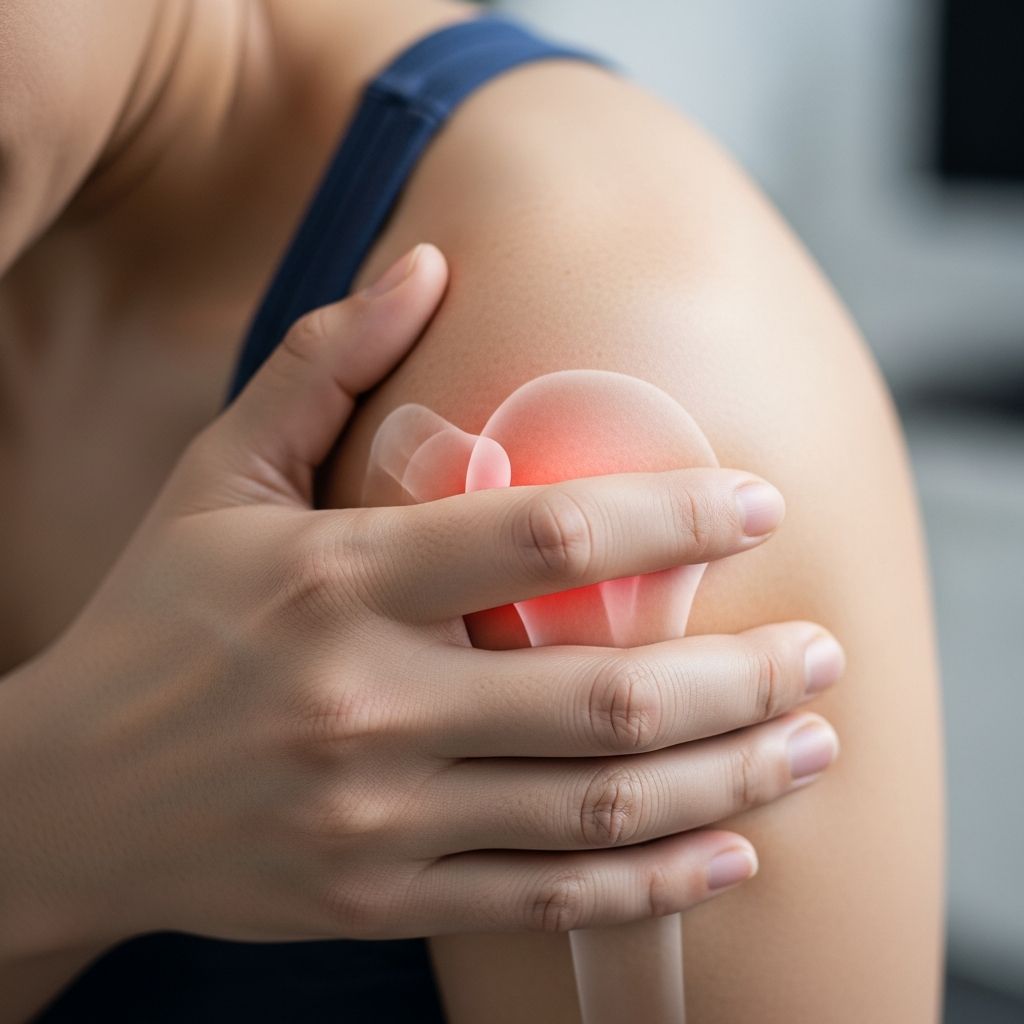
If you are experiencing pain, swelling and stiffness in your shoulders, you may have one of the following types of arthritis or related conditions. Shoulder discomfort affects millions, often stemming from cartilage breakdown, inflammation or immune responses that degrade joint function over time. Early recognition of symptoms like activity-worsening pain, morning stiffness or grinding noises is crucial for preventing progression and preserving mobility.
Osteoarthritis
The most common form of arthritis,
osteoarthritis (OA)
is caused by the breakdown of the cartilage that covers the ends of the bones where they meet to form joints. Bones rub against each other due to the cartilage loss, causing stiffness, pain and loss of movement in the joint. Bony projections (spurs) can develop around the joint. In shoulder OA, pain often worsens with activity, such as reaching overhead or lifting objects.It is estimated that nearly 1 in 3 people over the age of 60 have shoulder OA to some degree, making it a leading cause of chronic shoulder issues in older adults. Symptoms build gradually and include aching during or after activity, joint stiffness first thing in the morning or after rest, limited range of motion that improves slightly with movement, clicking or popping sounds, swelling and muscle weakness around the joint. Unlike acute injuries, OA pain persists at rest or night, disrupting sleep if lying on the affected side.
Diagnosis typically involves physical exams, X-rays showing joint space narrowing and spurs, or MRI for soft tissue assessment. Stages progress from mild cartilage wear to severe bone-on-bone contact, with symptoms varying independently of damage extent. Management starts conservatively with physical therapy to strengthen rotator cuff muscles, NSAIDs for inflammation, ice/heat therapy and corticosteroid injections. For advanced cases, shoulder replacement surgery restores function.
Rheumatoid Arthritis
**Rheumatoid arthritis (RA)** is a chronic inflammatory disease that occurs when the immune system over-reacts and attacks the joints. The result can be joint pain, swelling, inflammation and loss of function. RA usually affects joints on both sides of the body, meaning if one shoulder is affected, the other likely will be too.
Shoulder involvement in RA leads to deep joint pain, profound stiffness lasting over an hour in mornings, and symmetric swelling. Synovitis erodes cartilage and bone, potentially causing tendon damage and rotator cuff tears. Pain may feel aching or burning, worsening with use but present at rest. Women are disproportionately affected, with onset often between 30-60 years.
Treatment emphasizes disease-modifying antirheumatic drugs (DMARDs) like methotrexate to halt progression, biologics targeting inflammation, and low-dose prednisone for flares. Physical therapy maintains range, while surgery addresses deformities in severe cases. Early intervention prevents irreversible damage.
Juvenile Arthritis
**Juvenile arthritis** is the term used to describe types of arthritis that affect children and teens 16 years old and younger. There are different types of juvenile arthritis that can cause pain, swelling and stiffness in the shoulders.
Related Stories



Common forms include juvenile idiopathic arthritis (JIA), affecting up to 300,000 U.S. children, with shoulder involvement in systemic or polyarticular subtypes. Symptoms mimic adult RA: bilateral pain, morning stiffness, fever in systemic JIA, and growth disturbances if untreated. Enthesitis-related arthritis targets tendon insertions, causing shoulder girdle pain.
Management involves NSAIDs, DMARDs, biologics and intra-articular steroids. Multidisciplinary care with rheumatologists, physical therapists and psychologists supports development.
Bursitis
**Bursitis** is inflammation of small, fluid-filled sacs (bursae) that cushion and lubricate large joints, such as the knees, hips and shoulders. The result can be pain, swelling and tenderness in the affected area, particularly with movement.
Subacromial bursitis, common in shoulders, causes pain raising arms overhead, often from repetitive overhead activities or impingement. Unlike arthritis, it lacks grinding but features sharp pain on abduction and night discomfort. Swelling appears as a tender lump; fever signals infection. Rest, ice, NSAIDs and PT resolve most cases; aspiration or surgery for refractory cases.
Lupus
**Lupus** is a chronic autoimmune disease where the body’s immune system attacks healthy tissues, including the joints (and usually some internal organs). Large joints, including shoulders, can be affected.
Systemic lupus erythematosus (SLE) causes symmetric polyarthritis with morning stiffness under 30 minutes, unlike RA. Shoulder pain accompanies fatigue, rashes and organ involvement. Jaccoud’s arthropathy features deformities without erosion. Hydroxychloroquine, steroids and immunosuppressants control flares.
Infectious Arthritis
Also called
septic arthritis
, this disease is often caused by bacteria spreading through the bloodstream to the joint, sometimes viruses or fungi. Infectious arthritis can affect the shoulders. Symptoms usually come on rapidly and involve intense swelling, pain and fever. It rarely affects more than one joint.Staphylococcus aureus is the primary culprit; risk factors include immunosuppression or IV drug use. Emergent aspiration, cultures and IV antibiotics are essential to prevent joint destruction.
Reactive Arthritis
**Reactive arthritis** is a chronic form of arthritis that often occurs following an infection of the genital, urinary or gastrointestinal system. Large joints are often affected, especially the shoulders, hips and knees.
Symptoms appear 1-4 weeks post-infection (e.g., Chlamydia, Salmonella), featuring asymmetric oligoarthritis, enthesitis and conjunctivitis (Reiter’s triad). Shoulder pain responds to NSAIDs; DMARDs for persistence.
Arthritis-Related Conditions
Myositis
**Myositis** belongs to a group of disorders that cause inflammation and muscle weakness. Weakness and pain in the muscles of the hips and shoulders is often a first sign of myositis. The weakness may make it difficult to lift heavy objects or even lift your arm to comb your hair or to put on a coat.
Dermatomyositis or polymyositis proximal weakness precedes rash or lung issues. Steroids, immunosuppressants and IVIG treat; PT combats atrophy.
Frozen Shoulder
**Frozen shoulder** (adhesive capsulitis) features severe stiffness and pain in progressive stages: freezing (painful), frozen (stiff), thawing. Unlike arthritis, it resolves in 1-3 years but shares limited motion. PT, injections or manipulation under anesthesia aid recovery.
Tendinitis or Bursitis
Tendinitis involves tendon inflammation from overuse, causing anterior shoulder pain on flexion. Biceps tendinitis hurts with elbow flexion. Differentiated from arthritis by lack of grinding.
Polymyalgia Rheumatica
**Polymyalgia rheumatica (PMR)** causes bilateral shoulder and pelvic girdle pain/stiffness, worst mornings, in those over 50. Associated with giant cell arteritis; low-dose prednisone dramatically improves.
Shoulder Arthritis Symptoms
- Pain worsening with activity: Escalates reaching, lifting or overhead motions.
- Stiffness: Limited rotation, elevation; worse mornings or inactivity.
- Grinding/popping: Bones rub sans cartilage.
- Night pain: Disrupts sleep on affected side.
- Swelling/tenderness: Indicates inflammation.
Diagnosis and Treatment
Consult a doctor for persistent symptoms. Exams assess range; imaging (X-ray, MRI, ultrasound) confirms. Blood tests rule out inflammatory arthritis.
| Condition | Key Differentiator | Treatment |
|---|---|---|
| Osteoarthritis | Activity pain, grinding | PT, NSAIDs, surgery |
| RA | Bilateral, morning stiffness >1hr | DMARDs, biologics |
| Bursitis | Overhead pain, no grinding | Rest, ice, injections |
| Infectious | Rapid onset, fever | Antibiotics, drainage |
Frequently Asked Questions (FAQs)
Q: How do I know if shoulder pain is arthritis?
A: Look for persistent pain worsening with activity, stiffness, grinding and swelling. Consult a doctor for imaging and exams to differentiate from tendinitis or frozen shoulder.
Q: Can shoulder arthritis be cured?
A: OA is managed not cured; RA can remit with meds. Lifestyle changes slow progression.
Q: When should I see a doctor for shoulder pain?
A: If pain lasts >2 weeks, limits daily tasks, or accompanies fever/swelling.
Q: Does shoulder arthritis require surgery?
A: Only advanced cases; most respond to conservative care.
Q: How to relieve shoulder arthritis pain at home?
A: Ice/heat, gentle stretches, NSAIDs, posture correction.
References
- How to Tell If Your Shoulder Pain Is From Arthritis — Advanced Bone & Joint. 2025-07-18. https://advancedboneandjoint.com/2025/07/18/how-to-tell-if-your-shoulder-pain-is-from-arthritis/
- Shoulder Arthritis: What It Is, Symptoms & Treatment — Cleveland Clinic. 2024-05-15. https://my.clevelandclinic.org/health/diseases/22491-shoulder-arthritis
- When Shoulder Pain May Mean Arthritis — Arthritis Foundation. 2023-11-01. https://www.arthritis.org/health-wellness/about-arthritis/where-it-hurts/when-shoulder-pain-may-mean-arthritis
- Shoulder Pain — Arthritis UK. 2024-02-20. https://www.arthritis-uk.org/information-and-support/understanding-arthritis/conditions/shoulder-pain/
- Osteoarthritis: Symptoms, Diagnosis, and Treatment — Arthritis Foundation. 2024-08-10. https://www.arthritis.org/diseases/osteoarthritis
Similar Articles








Read full bio of Sneha Tete