When To Eat Fruit For Weight Loss: 3 Key Timing Strategies
Discover the optimal times to eat fruit for maximum weight loss benefits, backed by science and expert advice.
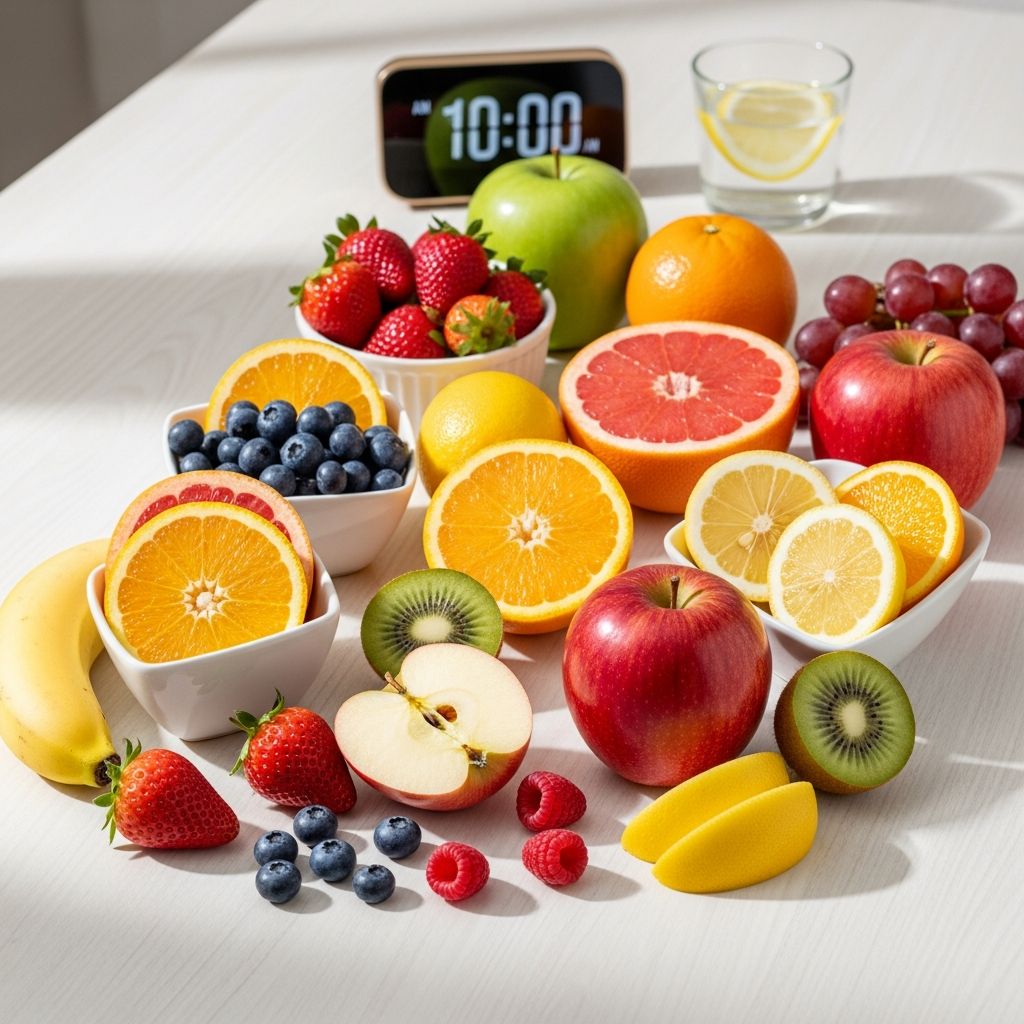
Timing fruit consumption can enhance its role in weight management. Whole fruits promote satiety, reduce energy intake, and support modest weight loss when eaten strategically, such as before meals or in place of higher-calorie foods.
Fruit Can Help With Weight Loss—Here’s When to Eat It
Whole fresh fruits are nutrient-dense, low in calories, and high in fiber and water, making them ideal for weight loss. Unlike fruit juices or processed sweets, whole fruits have a low glycemic load that prevents blood sugar spikes and curbs hunger. Research from randomized controlled trials (RCTs) shows that increasing whole fruit intake leads to weight maintenance or modest loss over 3–24 weeks, particularly in those with overweight or obesity.
A systematic review of RCTs found that fruits like apples, pears, and berries decrease energy intake at meals, especially when consumed prior to eating. This effect is attributed to fiber, which slows digestion and promotes fullness. Observational studies reinforce this, showing higher fruit consumers gain less weight over time.
The Best Time to Eat Fruit for Weight Loss
Experts recommend eating fruit before meals to maximize satiety and reduce overall calorie intake. Single-meal RCTs demonstrate that pre-meal fruit consumption lowers subsequent energy intake by displacing denser foods. The CDC advises substituting fruits and vegetables for higher-calorie items throughout the day to create calorie deficits without reducing food volume.
- Before meals: Eating fruit 10–15 minutes prior fills the stomach with low-calorie bulk, leading to smaller portions of main meals.
- As snacks: Mid-morning or afternoon fruit replaces processed snacks, maintaining steady energy without spikes.
- With breakfast: Add berries or apples to oatmeal or yogurt for fiber boost that sustains fullness.
Avoid eating large amounts of fruit right before bed, as natural sugars may affect sleep quality in sensitive individuals, though evidence is limited.
Why Eating Fruit Before a Meal Helps With Weight Loss
Consuming whole fruit before meals leverages its high water and fiber content to promote satiety. A review of RCTs indicates moderate certainty that pre-meal fruit reduces energy intake, with stronger effects when substituting energy-dense foods. For example, an apple before lunch can cut meal calories by 15–20% due to pectin fiber expanding in the stomach.
The Nurses’ Health Study data shows that increasing fruit intake over 24 years correlates with weight loss, especially berries and apples, while juices increase risk. This substitution principle—replacing refined carbs with fruit—creates a natural calorie deficit.
6 Best Fruits for Weight Loss
Choose fruits low in sugar and high in fiber for optimal results. Here’s a table of top options based on calorie density, fiber content, and research associations:
| Fruit | Calories (per 100g) | Fiber (g) | Key Benefits |
|---|---|---|---|
| Berries (e.g., blueberries) | 57 | 2.4 | Linked to lower diabetes risk and weight loss in cohort studies. |
| Apples | 52 | 2.4 | Prevents hunger spikes; associated with less weight gain. |
| Grapefruit | 42 | 1.6 | Low glycemic; supports satiety before meals. |
| Pears | 57 | 3.1 | High fiber promotes fullness; weight loss in observational data. |
| Oranges | 47 | 2.4 | Hydrating with volume for low calories. |
| Kiwi | 61 | 3.0 | Enzyme aids digestion; fiber curbs appetite. |
These fruits were highlighted in large cohort studies like the Nurses’ Health Study for associations with better weight control.
Related Stories



Should You Eat Fruit on an Empty Stomach?
Eating fruit on an empty stomach, such as first thing in the morning, can kickstart metabolism with quick-digesting vitamins and fiber. However, for weight loss, pairing with protein or fat may balance blood sugar better than solo consumption. RCTs show no adverse effects on energy intake from empty-stomach fruit, but pre-meal timing yields clearer benefits.
Harvard’s Nutrition Source notes non-starchy fruits like apples on an empty stomach prevent spikes that trigger hunger.
Is It True You Shouldn’t Eat Fruit After a Meal?
The myth that fruit after meals causes fermentation or digestive issues lacks strong evidence. Whole fruits digest similarly regardless of timing, and their fiber aids overall digestion. However, for weight loss, post-meal fruit may not reduce intake as effectively as pre-meal. CDC recommends whole fruits anytime as substitutes, uncooked or lightly prepared.
3 Common Fruit Mistakes That Prevent Weight Loss
- Choosing juice over whole fruit: Juices lack fiber, spike blood sugar, and link to higher diabetes risk. One cup of grapes (104 cal) beats raisins (100 cal in 1/4 cup) for fullness.
- Eating dried fruit excessively: Concentrated sugars lead to overeating; opt for fresh.
- Not substituting: Adding fruit without displacing calories causes gain. Replace snacks or sides.
7 Easy Ways to Add More Fruit to Your Meals
- Breakfast boost: Top yogurt or cereal with berries, reducing grain portion.
- Salad enhancer: Add apples or oranges to greens for sweetness and crunch.
- Pre-meal starter: Eat an apple 15 minutes before lunch.
- Smoothie base: Blend with spinach and protein; use whole fruits.
- Snack swap: Grapefruit instead of chips.
- Dinner side: Steamed pears with lean protein.
- Frozen treats: Freeze berries for low-cal dessert.
Frequently Asked Questions (FAQs)
Does eating fruit before or after a meal matter for weight loss?
Yes, before meals reduces subsequent intake more effectively due to satiety effects.
Can too much fruit cause weight gain?
Unlikely with whole fruits; RCTs show weight maintenance or loss. Substitute, don’t add.
Is fruit juice okay for weight loss?
No, it lacks fiber and increases diabetes risk; choose whole.
Best fruits for belly fat?
Berries, apples, grapefruit—high fiber, low calorie.
How much fruit per day for weight loss?
2–3 servings, focusing on variety and substitution.
References
- Impact of Whole Fruit on Energy Intake & Adiposity: Systematic Review — Howarth et al., Nutrients (PMC). 2019-05-08. https://pmc.ncbi.nlm.nih.gov/articles/PMC6518666/
- Vegetables and Fruits – The Nutrition Source — Harvard T.H. Chan School of Public Health. 2024 (updated). https://nutritionsource.hsph.harvard.edu/what-should-you-eat/vegetables-and-fruits/
- Healthy Habits: Fruits and Vegetables to Manage Weight – CDC — Centers for Disease Control and Prevention. 2023-06-15. https://www.cdc.gov/healthy-weight-growth/healthy-eating/fruits-vegetables.html
Similar Articles








Read full bio of Sneha Tete