When To Eat Fruit For Weight Loss: 5 Best Times
Discover the optimal times to eat fruit for maximum weight loss benefits, backed by science and expert advice.
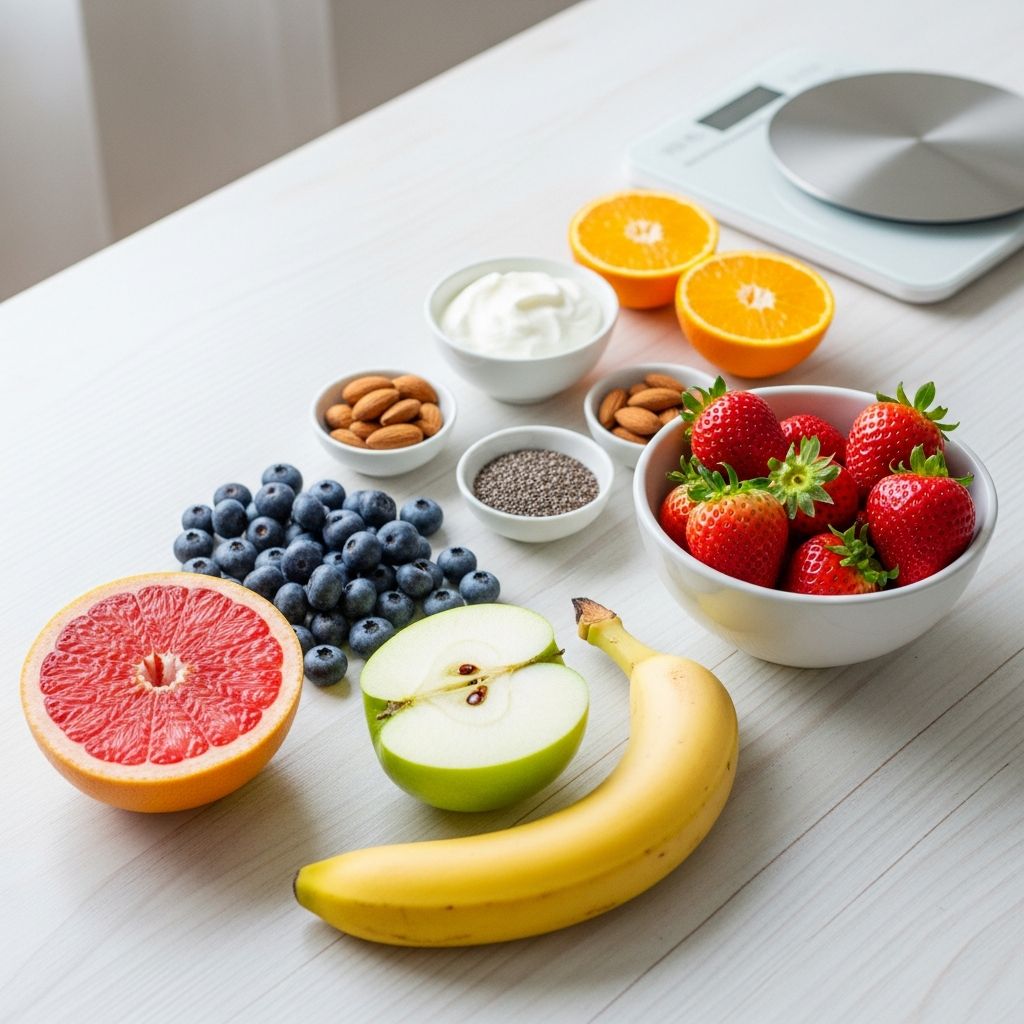
Timing your fruit consumption can significantly enhance weight loss efforts by leveraging its natural fiber, water content, and low-calorie density to promote satiety and control energy intake. Research from randomized controlled trials (RCTs) indicates that whole fresh fruit supports weight maintenance or modest loss, particularly when eaten strategically throughout the day.
Why Fruit Helps With Weight Loss
Whole fruits are nutrient-dense, providing essential vitamins, minerals, and fiber while remaining low in calories due to high water content. Unlike fruit juices or processed sweets, the fiber in whole fruit slows sugar absorption, preventing blood sugar spikes that trigger hunger. A systematic review of RCTs found that increasing whole fruit intake leads to modest weight loss over 3–24 weeks, with higher certainty in higher-quality studies. Observational data from large cohorts like the Nurses’ Health Study further link greater fruit consumption to less weight gain over time.
The CDC emphasizes that fruits add volume to meals with fewer calories, helping you feel full while creating a calorie deficit essential for weight loss. Substitution is key: replace higher-calorie foods with fruit to avoid adding excess energy.
Best Times to Eat Fruit for Weight Loss
- Before Meals: Consuming fruit 15–30 minutes prior to meals reduces subsequent energy intake. Single-meal RCTs show whole fruit pre-meal decreases overall calories consumed, especially when displacing energy-dense foods. The fiber promotes fullness, curbing overeating.
- At Breakfast: Starting the day with fruit stabilizes blood sugar and sustains energy. Non-starchy fruits like berries or apples pair well with protein, preventing mid-morning hunger. Studies link higher adolescent fruit intake to long-term metabolic benefits.
- Mid-Morning or Afternoon Snacks: Fruit as a snack bridges meals, maintaining satiety without calorie overload. Whole fruits outperform dried fruit or juice; for instance, 1 cup of grapes (100 calories) fills more than equivalent raisins.
- Post-Workout: Fruit replenishes glycogen with natural sugars and provides antioxidants for recovery, aiding muscle repair without excess calories.
- Evening (in Moderation): Low-glycemic fruits like berries before bed can curb nighttime cravings, but avoid high-sugar options close to sleep to prevent insulin spikes.
Fruits to Prioritize for Weight Loss
Select fruits low in glycemic load and high in fiber and water for optimal results. Harvard’s Nutrition Source highlights apples, pears, berries, and green leafy fruits for their weight loss-promoting properties.
| Fruit | Calories (per 100g) | Key Benefits | Best Time |
|---|---|---|---|
| Grapefruit | 42 | Boosts metabolism via vitamin C; high water content | Breakfast |
| Apples | 52 | Pectin fiber increases satiety; low glycemic load | Pre-meal |
| Berries (Strawberries/Blueberries) | 32–57 | Antioxidants; linked to less weight gain | Snacks |
| Pears | 57 | High soluble fiber for digestion | Afternoon |
| Oranges | 47 | Vitamin C; hydration support | Post-workout |
Fruits to Limit or Avoid
- Dried Fruits: Concentrated sugars lead to overconsumption; opt for whole equivalents.
- Fruit Juices: Lack fiber, causing rapid sugar absorption and higher diabetes risk.
- High-Sugar Tropical Fruits (e.g., Mangoes, Pineapples): Consume sparingly; higher glycemic impact.
Sample Daily Fruit Timing Plan for Weight Loss
- 7 AM Breakfast: Greek yogurt with berries and an apple (fiber boost).
- 10 AM Snack: Grapefruit half (metabolism kick).
- 12:30 PM Pre-Lunch: Pear 20 minutes before meal (appetite control).
- 3 PM Afternoon: Handful of strawberries (low-cal pick-me-up).
- 6 PM Dinner Side: Orange slices (vitamin replenishment).
This plan incorporates 3–5 servings, aligning with guidelines for calorie control. RCTs show such patterns support 0.5–1.36 kg loss over 6 weeks.
How Much Fruit Should You Eat?
Aim for 2–4 cups daily, adjusted for activity and goals. CDC recommends filling half your plate with fruits/veggies for volume without calories. RCTs confirm high intakes favor weight loss in overweight individuals. Track portions: one medium apple = 1 serving.
Related Stories



Potential Downsides of Eating Fruit
Fruit contains natural fructose, but whole form minimizes risks. Excessive intake without substitution can add calories. Those with fructose malabsorption should consult professionals. No evidence links whole fruit to obesity; it constrains adiposity.
Expert Tips for Incorporating Fruit
- Pair with protein/fat (e.g., nuts) to blunt sugar response.
- Choose seasonal, fresh over canned (watch added sugars).
- Pre-portion to avoid mindless eating.
- Experiment with savory pairings like fruit salads with greens.
Frequently Asked Questions (FAQs)
Is there a best time of day to eat fruit for weight loss?
Yes, pre-meal and as snacks maximize satiety; RCTs support reduced energy intake.
Does fruit make you gain weight?
No, whole fruit promotes weight maintenance or loss; substitution prevents gain.
Can I eat fruit at night?
Opt for low-glycemic options like berries in moderation to avoid sleep-disrupting spikes.
Is fruit juice as good as whole fruit?
No, juice lacks fiber and raises diabetes risk. Always choose whole fruit.
How much weight can fruit help me lose?
Modest losses of 0.5–1.36 kg over 6 weeks per RCTs, more with high intake in obesity.
References
- Impact of Whole Fruit on Energy Intake & Adiposity: Systematic Review — Howarth et al. 2019-05-15. https://pmc.ncbi.nlm.nih.gov/articles/PMC6518666/
- Vegetables and Fruits – The Nutrition Source — Harvard T.H. Chan School of Public Health. 2024. https://nutritionsource.hsph.harvard.edu/what-should-you-eat/vegetables-and-fruits/
- Healthy Habits: Fruits and Vegetables to Manage Weight – CDC — Centers for Disease Control and Prevention. 2025. https://www.cdc.gov/healthy-weight-growth/healthy-eating/fruits-vegetables.html
- 8 Fruits That Help You Lose Weight — Northwest Health. 2025-11-13. https://www.northwesthealth.com/health-library/392
Similar Articles








Read full bio of Sneha Tete