When To Take Probiotics: Comprehensive Timing And Strain Guide
Discover the optimal times, strains, and conditions for taking probiotics to maximize gut health benefits and support overall wellness.
Probiotics are live microorganisms that provide health benefits when consumed in adequate amounts, primarily supporting gut health by balancing the intestinal microbiome. Determining
when to take probiotics
depends on the strain, your health goals, and how they interact with food or medications. Research from the National Center for Complementary and Integrative Health (NCCIH) shows probiotics are promising for preventing antibiotic-associated diarrhea and other conditions, but timing optimizes their survival through the digestive tract.What Are Probiotics?
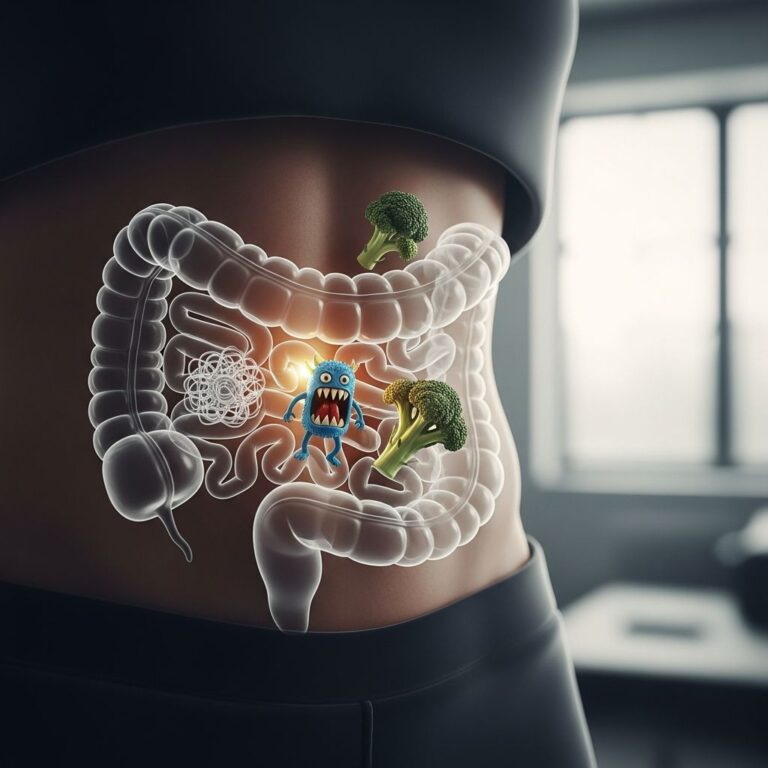
Probiotics are beneficial bacteria and yeasts found in foods like yogurt, kefir, sauerkraut, and supplements. They help maintain a healthy gut flora, which influences digestion, immunity, and even mental health. According to Mayo Clinic, probiotics aid in digesting food and alleviating symptoms of digestive disorders by competing with harmful bacteria and enhancing the gut barrier.
Common strains include Lactobacillus and Bifidobacterium, which produce short-chain fatty acids, modulate immune responses, and block pathogen adhesion. Unlike prebiotics (non-digestible fibers that feed good bacteria), probiotics are live cultures that colonize the gut temporarily.
Best Time of Day to Take Probiotics
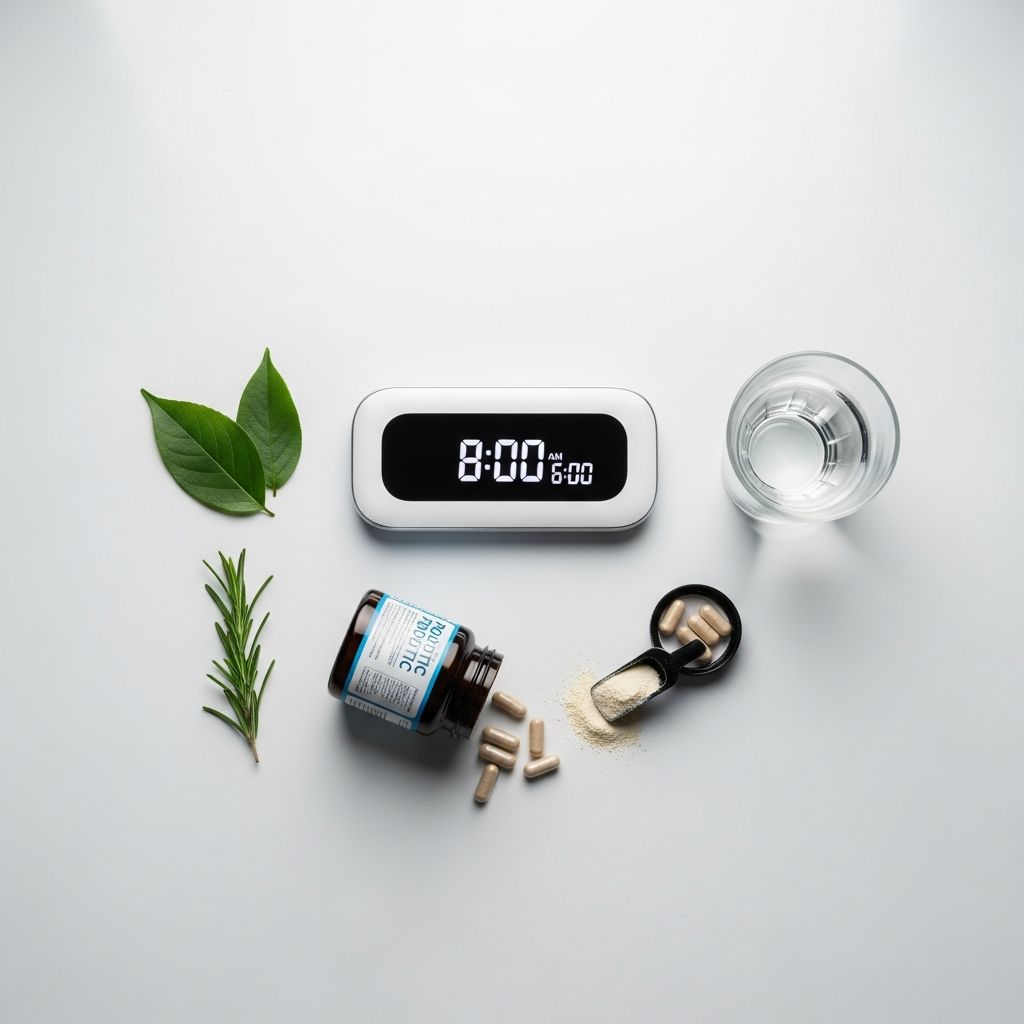
The ideal time to take probiotics is often
first thing in the morning on an empty stomach
. Stomach acid levels are lowest upon waking, improving bacterial survival rates to reach the intestines. A study review indicates that taking probiotics 30 minutes before a meal maximizes viability.- Morning (empty stomach): Recommended for most strains; acid production ramps up with food.
- Evening (before bed): Suitable for spore-forming probiotics like Bacillus coagulans, which resist acid better.
- Avoid late-night: Digestion slows during sleep, potentially reducing efficacy.
For consistency, choose a time you can stick to daily, as probiotics work best with regular intake. Frontiers in Microbiology notes strain-specific survival depends on gastric pH, oxygen, and moisture.
Should You Take Probiotics With or Without Food?
Timing with food varies by strain:
| Strain Type | With Food? | Reason |
|---|---|---|
| Lactobacillus & Bifidobacterium | No (empty stomach) | Food buffers acid less effectively; take 30 mins before meals. |
| Yeast-based (e.g., Saccharomyces boulardii) | Yes | More acid-resistant; food doesn’t hinder survival. |
| Spore-formers (B. coagulans) | With or without | Encapsulated spores protect against stomach acid. |
NCCIH research supports taking probiotics separately from antibiotics by 2-3 hours to prevent killing beneficial bacteria. Mayo Clinic advises checking labels, as some formulations are enteric-coated for food compatibility.
Best Probiotic Strains for Specific Conditions
Not all probiotics are equal; match strains to needs based on evidence.
Antibiotic-Associated Diarrhea
**Lactobacillus rhamnosus GG or Saccharomyces boulardii**: A 2017 NCCIH-reviewed analysis of 31 studies (8,672 patients) found probiotics reduce C. difficile risk by half in antibiotic users. Take during and 2 weeks post-antibiotics.
Irritable Bowel Syndrome (IBS)
**Bifidobacterium infantis or multi-strain**: AAFP meta-analysis of 21 RCTs showed improved abdominal pain and quality of life (RR=1.82). Take daily for 4-8 weeks.
Related Stories



Infant Colic and Preterm Infants
**Lactobacillus reuteri**: Effective for colic; for preterms, Lactobacillus + Bifidobacterium reduces necrotizing enterocolitis (RR=0.43 per Cochrane review).
Other Conditions
- Ulcerative Colitis: Maintains remission.
- H. pylori Eradication: Lactobacillus adjunct boosts success (NNT=10).
- Atopic Dermatitis: Prenatal/infant exposure lowers risk.
- General Gut Health: L. acidophilus, L. fermentum for cholesterol and immunity.
How Long Should You Take Probiotics?
Duration depends on the goal:
- Acute issues (e.g., diarrhea): 1-2 weeks.
- Chronic (IBS, immunity): 4-12 weeks, then maintenance.
- Daily wellness: Ongoing, as effects fade without continued use.
AAFP evidence shows benefits peak after consistent use, but monitor for side effects like bloating.
Probiotic Storage and Shelf Life
Improper storage kills bacteria:
- Refrigerate: Most live cultures (check label); avoid freezing unless specified.
- Room temperature: Spore-formers or shelf-stable.
- Shelf life: 1-2 years unopened; use by date critical.
Heat, moisture, and light degrade probiotics. Buy from reputable sources with CFU (colony-forming units) counts verified at expiration.
Who Should Avoid Probiotics?
Generally safe, but cautions apply:
- Immunocompromised: Risk of infection.
- Severe illnesses: Consult doctor for preterm infants, critical patients.
- Pregnant/breastfeeding: Strain-specific safety data limited.
Mayo Clinic notes rare side effects like gas; start low dose.
Frequently Asked Questions (FAQs)
Can I take probiotics every day?
Yes, daily use is safe and effective for most healthy adults to support gut balance.
Do probiotics survive stomach acid?
Many don’t without protection; choose acid-resistant strains or enteric-coated capsules. Timing on empty stomach helps.
Are yogurt probiotics effective?
Yes, if live cultures are present (check labels); supplements offer higher, targeted doses.
Can probiotics help with weight loss?
Emerging evidence for strains like L. gasseri, but not a primary treatment.
When to see a doctor about probiotics?
If symptoms persist, or for personalized advice based on health conditions.
Choosing the Right Probiotic Supplement
Look for:
- 10-50 billion CFU.
- Clinically studied strains.
- Third-party testing (USP/NSF).
- Prebiotic synergy (synbiotics).
Synbiotics combine probiotics with prebiotics for enhanced survival and efficacy in metabolic health.
References
- Probiotics: Usefulness and Safety — National Center for Complementary and Integrative Health (NCCIH), NIH. 2023-10-05. https://www.nccih.nih.gov/health/probiotics-usefulness-and-safety
- Probiotics for Gastrointestinal Conditions: A Summary of the Evidence — American Academy of Family Physicians (AAFP). 2017-08-01. https://www.aafp.org/pubs/afp/issues/2017/0801/p170.html
- A comprehensive review of probiotics and human health — Frontiers in Microbiology. 2024-11-01. https://www.frontiersin.org/journals/microbiology/articles/10.3389/fmicb.2024.1487641/full
- Probiotics and prebiotics: What you should know — Mayo Clinic. 2024-01-20. https://www.mayoclinic.org/healthy-lifestyle/nutrition-and-healthy-eating/expert-answers/probiotics/faq-20058065
Similar Articles








Read full bio of medha deb