When To Take Turmeric: 5 Evidence-Based Timing And Dosage Tips
Discover the optimal times, methods, and dosages for taking turmeric to maximize its powerful anti-inflammatory and antioxidant benefits.
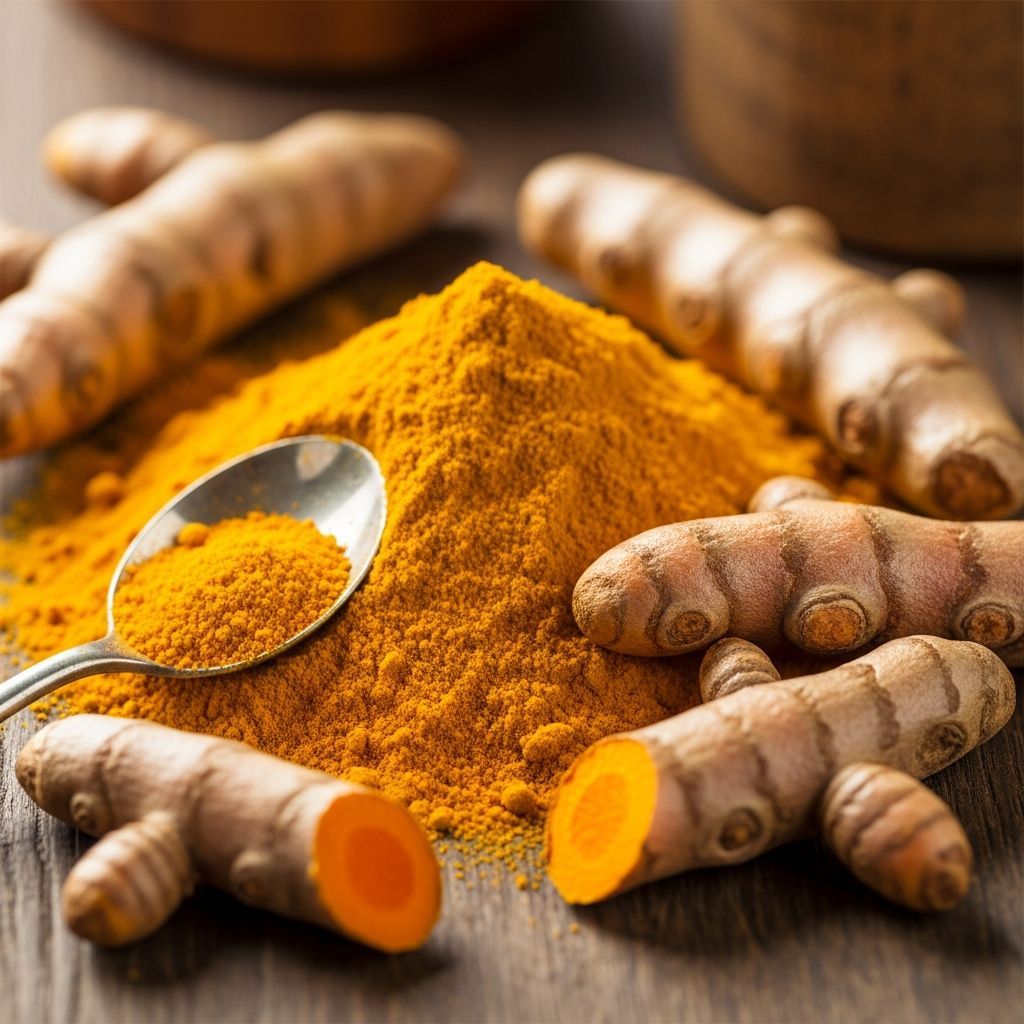
Turmeric, the golden spice revered in traditional medicine for millennia, has surged in popularity thanks to its active compound curcumin. This potent polyphenol offers remarkable anti-inflammatory and antioxidant properties, potentially aiding everything from joint pain to digestive health. But timing is everything—when you take turmeric can dramatically impact its bioavailability and effectiveness.
In this comprehensive guide, we explore the science-backed best practices for turmeric supplementation, including optimal times of day, whether to take it with food or empty stomach, ideal dosages, and crucial interactions to watch for. Whether you’re managing arthritis, boosting immunity, or simply incorporating this superfood into your routine, get ready to optimize your turmeric intake.
What Is Turmeric and Why Take It?
Derived from the Curcuma longa plant, turmeric’s vibrant orange rhizomes have been a staple in Ayurvedic and Traditional Chinese Medicine for over 4,000 years. Modern science validates centuries of use: over 3,000 published studies highlight curcumin’s therapeutic potential.
- Joint Health: Reduces osteoarthritis symptoms comparable to ibuprofen in clinical trials
- Digestion: Eases IBS symptoms and supports gut barrier function
- Brain Health: May cross blood-brain barrier to combat depression and cognitive decline
- Heart Health: Improves endothelial function and reduces post-exercise muscle damage
- Anticancer Potential: Inhibits tumor growth in preclinical studies
However, curcumin’s poor bioavailability (absorbed at just 1-2% without optimization) means strategic timing and formulation matter immensely.
The Best Time to Take Turmeric: Morning, Night, or Split Doses?
Unlike many supplements with rigid timing rules, turmeric’s optimal schedule depends on your health goals:
| Goal | Best Time | Why? |
|---|---|---|
| Joint Pain/Arthritis | Morning + Evening | Maintains steady anti-inflammatory levels throughout day/night |
| Digestion/IBS | With Meals (15-30 min before) | Stimulates bile production, enhances fat digestion |
| Brain Health/Mood | Evening/Bedtime | Supports BDNF production during sleep, reduces morning cortisol |
| Exercise Recovery | Post-Workout | Reduces DOMS, oxidative stress from training |
| General Wellness | Morning with Breakfast | Sets anti-inflammatory tone for entire day |
Morning Benefits: Kickstart Your Anti-Inflammatory Day
Starting your day with turmeric leverages its ability to modulate the HPA axis (hypothalamic-pituitary-adrenal), potentially blunting morning cortisol spikes while enhancing serotonin and dopamine pathways. A 2023 randomized controlled trial found morning curcumin supplementation improved mood scores by 28% versus placebo.
Evening Advantages: Overnight Repair and Recovery
Nighttime dosing capitalizes on turmeric’s synergy with sleep physiology. Curcumin upregulates brain-derived neurotrophic factor (BDNF)—essential for neural repair that peaks during deep sleep stages. Studies show 15-20% better cognitive performance the following day with PM dosing.
Split Dosing: The Gold Standard for Chronic Conditions
For therapeutic levels addressing arthritis or IBD, divide your total daily dose: half AM, half PM. This maintains steady-state plasma curcumin levels above the therapeutic threshold (10 ng/mL), per pharmacokinetic research.
Related Stories



With Food or Empty Stomach? The Absorption Equation
With a meal containing healthy fats = dramatically enhanced absorption
Curcumin is fat-soluble, requiring dietary lipids for micelle formation and intestinal uptake. A landmark study showed piperine + fat increased bioavailability by 2,000%:
- Empty stomach: 1-2% absorption
- With fats alone: 7-10x improvement
- Fats + black pepper (piperine): 20x improvement
- Liposomal/phytoSOME® formulas: 185x improvement
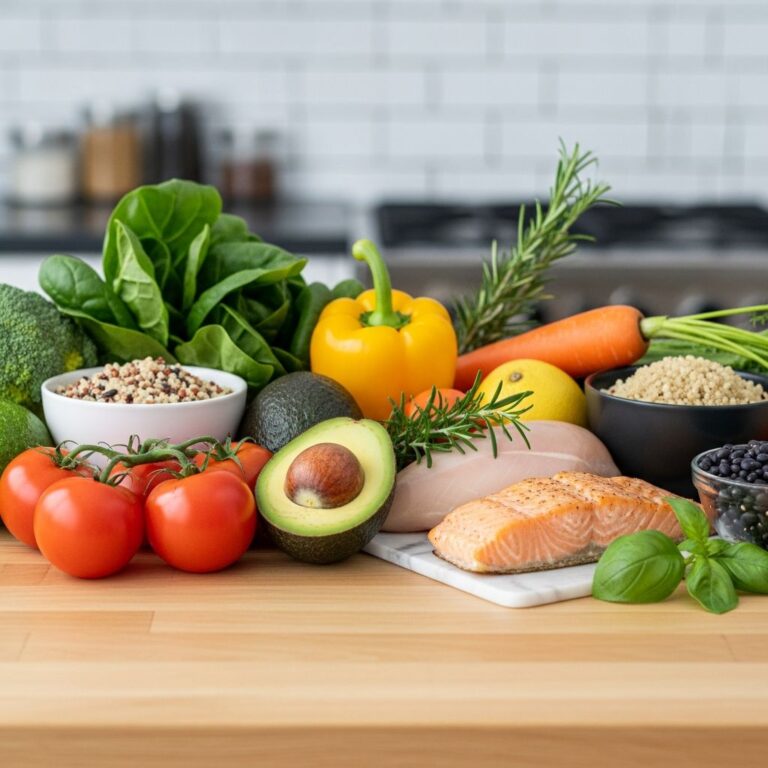
Pro tip: Pair with avocado, coconut oil, nuts, olive oil, or fatty fish. Avoid taking with calcium-rich foods (dairy) which bind curcumin.
Optimal Turmeric Dosage: How Much and What Form?
| Form | Curcumin Content | Recommended Dose | Bioavailability |
|---|---|---|---|
| Standard Powder | 2-5% curcumin | 1-3g daily | Poor |
| 95% Curcumin Extract | 95% curcuminoids | 500-1,500mg daily | Moderate |
| With Piperine | 95% + 5-10mg piperine | 500mg 1-2x daily | 20x standard |
| Liposomal/Nano | Varies | 200-400mg daily | 185x standard |
Therapeutic range: 500-2,000mg curcumin daily, safely used in clinical trials up to 12g/day. Start low (400mg) and titrate up.
5 Ways to Boost Turmeric Absorption
- Black Pepper Magic: Piperine inhibits glucuronidase enzymes, extending curcumin half-life from 1.75 to 4+ hours
- Healthy Fats: Medium-chain triglycerides (coconut oil) create optimal micelles
- Quercetin Synergy: Found in onions/apples, inhibits efflux pumps
- Bromelain: Pineapple enzyme enhances anti-inflammatory synergy
- Advanced Formulations: Choose Meriva®, Longvida®, or Theracurmin®
Turmeric Timing With Other Supplements and Medications
⚠️ Critical Timing Interactions
- Separate from Iron supplements by 2+ hours (turmeric inhibits absorption)
- Take with probiotics (synergistic gut benefits)
- With Omega-3s (enhanced anti-inflammatory effects)
- 2 hours apart from blood thinners (warfarin, aspirin)
- Diabetes meds: Monitor blood sugar (additive effects)
Who Should Avoid or Use Turmeric Cautiously?
- Gallbladder issues: Stimulates bile—avoid if you have gallstones
- Bleeding disorders: Potent platelet inhibitor
- Pregnancy: Limited safety data (high doses)
- G6PD deficiency: Risk of hemolytic anemia
- Surgery: Stop 2 weeks prior
Real-World Turmeric Timing Protocols
Arthritis Warrior Protocol
- 7 AM: 500mg curcumin + piperine + breakfast fats
- 7 PM: 500mg curcumin + dinner + omega-3s
Gut Health Reset
- 15 min before lunch/dinner: 400mg curcumin + ginger + probiotics
Mood & Brain Boost
- 8 PM: 600mg Longvida® curcumin + magnesium glycinate
Frequently Asked Questions (FAQs)
Can I take turmeric every day?
Yes, 500-2,000mg curcumin daily is safe for most adults long-term. Culinary use is even safer.
Does turmeric need to be taken with black pepper?
For standard extracts, absolutely—piperine boosts absorption 20x. Liposomal forms don’t require it.
Should I take turmeric before or after meals?
With meals containing fat. 15-30 minutes before enhances digestion; during meals maximizes absorption.
Can turmeric upset my stomach?
High doses (>1g) may cause mild GI upset. Take with food and start with 400mg doses.
What’s the best turmeric supplement brand?
Look for third-party testing, 95%+ curcuminoids, piperine or advanced delivery (Meriva, BCM-95, Longvida), and GMP certification.
Final Takeaway: Consistency + Smart Timing = Results
Turmeric’s power multiplies when you optimize timing, pair with fats/piperine, and match dosage to goals. Morning doses energize, evening doses repair, split doses conquer chronic inflammation. Choose bioavailable forms and stay consistent for 4-8 weeks to assess benefits.
Your golden ticket to better health awaits—just mind your timing!
References
- Curcumin: A Review of Its Effects on Human Health — National Center for Biotechnology Information (NCBI). 2017-10-22. https://www.ncbi.nlm.nih.gov/pmc/articles/PMC5664031/
- Influence of piperine on the pharmacokinetics of curcumin — PubMed (Clinical Nutrition). 1998. https://pubmed.ncbi.nlm.nih.gov/9619120/
- Curcumin for arthritis: Does it really work? — Arthritis Foundation (.org). 2024. https://www.arthritis.org/health-wellness/treatment/complementary-therapies/supplements-and-vitamins/curcumin-for-arthritis
- Therapeutic Roles of Curcumin: Lessons Learned — National Institutes of Health (NIH). 2012-07-31. https://www.ncbi.nlm.nih.gov/pmc/articles/PMC3535097/
- Curcumin and Inflammation — National Center for Complementary and Integrative Health (NCCIH, NIH.gov). 2023. https://www.nccih.nih.gov/health/turmeric
- Bioavailability of curcumin and piperine — Planta Medica (Thieme). 2007. https://doi.org/10.1055/s-2006-957450
Similar Articles








Read full bio of Sneha Tete