Whey Protein: Benefits, Types, and Safety
Discover the science-backed benefits of whey protein for muscle growth, weight management, and overall health, plus types, dosage, and potential risks.
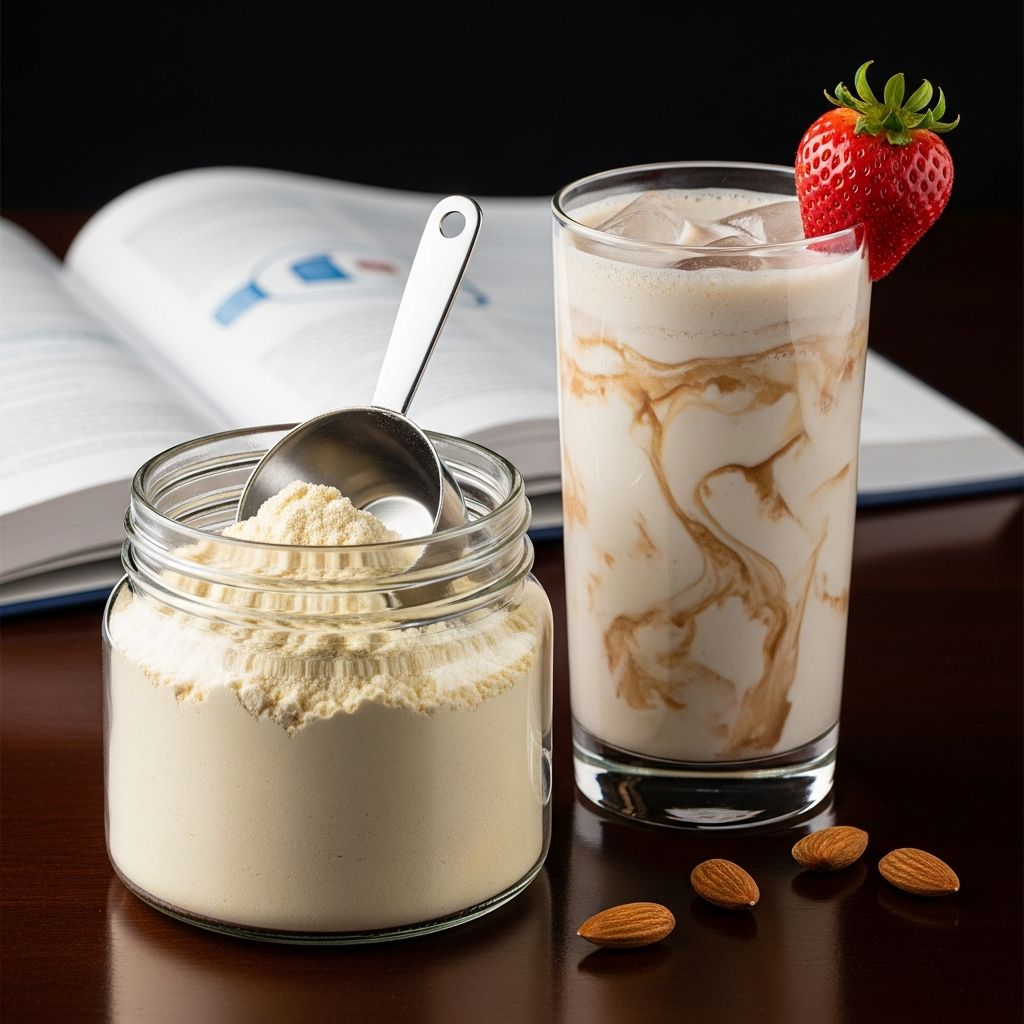
Whey protein, derived from milk during cheese production, is a complete protein rich in essential amino acids, particularly leucine, making it highly effective for muscle growth, recovery, and various health benefits.
What Is Whey Protein?
Whey protein is one of two main proteins in milk (the other being casein), comprising about 20% of cow’s milk protein and up to 60% in human breast milk, which underscores its high biological value. It separates as a liquid byproduct during cheese-making and is processed into powder supplements containing all nine essential amino acids, including high levels of branched-chain amino acids (BCAAs) like leucine (key for muscle protein synthesis) and cysteine (which boosts glutathione, a major antioxidant).
The primary proteins in whey include β-lactoglobulin (~55%), α-lactalbumin (~20%), serum albumin (~7%), immunoglobulins (~13%), and minor proteins (~5%). Its fast absorption rate—faster than casein or soy—makes it ideal post-workout.
Types of Whey Protein
There are three main types, differing in processing, protein content, and suitability:
- Whey Protein Concentrate (WPC): Least processed, contains 70-89% protein with some fats, carbs, and lactose. Best for general use and budget-conscious consumers.
- Whey Protein Isolate (WPI): Further filtered to remove most fat and lactose, offering 90%+ protein. Ideal for lactose-intolerant individuals or those seeking low-calorie options.
- Whey Protein Hydrolysate (WPH): Predigested via hydrolysis for quickest absorption, used in medical formulas and infant products due to reduced allergens, though protein content varies.
| Type | Protein Content | Key Features | Best For |
|---|---|---|---|
| WPC | 70-89% | Retains some lactose/fat; affordable | General fitness, bulking |
| WPI | 90%+ | Low lactose/fat; purer | Lactose-sensitive, weight loss |
| WPH | Varies (high) | Predigested; fast absorption | Athletes, medical needs |
9 Health Benefits of Whey Protein
1. Builds and Repairs Muscle
Whey excels at stimulating muscle protein synthesis (MPS) due to its high leucine content, the most anabolic amino acid. Studies show it increases muscle growth when paired with resistance training, especially post-workout. Human breast milk’s high whey proportion supports its role in growth.
2. Increases Strength
Regular whey intake with strength training boosts muscle strength more than other proteins or carbs alone, aiding athletes in performance gains.
3. Reduces Fat Mass
Whey promotes fat loss while preserving muscle, particularly in overweight individuals on calorie-restricted diets, outperforming soy or carbs.
4. Boosts Metabolism
As a high-quality protein, whey raises metabolic rate via diet-induced thermogenesis and supports sustained fullness, aiding weight management.
5. Lowers Blood Pressure
Whey peptides reduce systolic and diastolic blood pressure in hypertensive individuals, comparable to some medications.
6. Improves Cholesterol Levels
A 2025 meta-analysis of 20 trials found whey lowers triglycerides and raises HDL (‘good’) cholesterol, supporting heart health.
7. Supports Heart Health
Beyond cholesterol, whey reduces inflammation, improves vascular stiffness, and boosts nitric oxide for better blood flow, though results vary by study.
8. Boosts Antioxidants
Cysteine in whey elevates glutathione levels, combating oxidative stress and offering anti-aging, anticancer, and immune benefits.
9. Anticancer Properties
Whey may trigger apoptosis in cancer cells and reduce treatment-related muscle wasting, per 2024 research, though more human trials are needed.
Potential Downsides and Risks
While generally safe, whey isn’t risk-free. A 2024 review of 21 studies linked high doses to liver/kidney stress (especially in compromised individuals), gut microbiota changes, acne flares, bone mass impacts, and behavioral shifts. Digestive issues like bloating affect lactose-sensitive people; opt for isolates.
Related Stories



- Liver/Kidney Concerns: Excessive intake may strain organs in those with pre-existing conditions.
- Gut Health: Mixed effects—some studies show benefits (e.g., more Lactobacillus, less pathogens), others dysbiosis.
- Acne: High dairy protein intake correlates with increased acne via IGF-1 spikes.
- Other: Rare allergies; avoid if milk-allergic.
Who Should Avoid Whey Protein?
- People with milk allergies or severe lactose intolerance.
- Those with kidney/liver disease—consult a doctor.
- Acne-prone individuals, as it may exacerbate.
- Pregnant/breastfeeding without medical advice.
How to Use Whey Protein Safely
Dosage: 0.24-0.4g/kg body weight per serving maximizes MPS; e.g., 20-40g daily for most adults, split around workouts. Total protein: 1.6-2.2g/kg body weight for athletes.
Timing: Post-workout for optimal recovery; also pre/intra-workout or between meals.
Tips: Mix with water/milk; combine with creatine/carbs for synergy. Start low to test tolerance.
FAQs
Is whey protein good for weight loss?
Yes, it curbs appetite, preserves muscle during calorie deficits, and boosts metabolism, outperforming other proteins in fat loss studies.
Does whey protein cause acne?
Possibly, especially in susceptible people, due to hormonal effects like elevated IGF-1; isolates may help minimize.
Can whey damage kidneys?
Not in healthy individuals, but high doses risk strain in those with kidney issues—monitor intake and consult professionals.
What’s the best time to take whey?
Post-workout for muscle repair, but anytime to meet protein needs works.
Is whey protein safe for vegetarians?
No, it’s dairy-derived; vegans should choose plant-based alternatives.
References
- Whey Protein 101: The Ultimate Beginner’s Guide — Healthline. 2023 (updated). https://www.healthline.com/nutrition/whey-protein-101
- Investigating the Health Implications of Whey Protein Consumption — PMC (NCBI). 2024-01-24. https://pmc.ncbi.nlm.nih.gov/articles/PMC10815430/
- Whey protein: Health benefits, side effects, and dangers — Medical News Today. 2025 (updated). https://www.medicalnewstoday.com/articles/263371
Similar Articles








Read full bio of medha deb