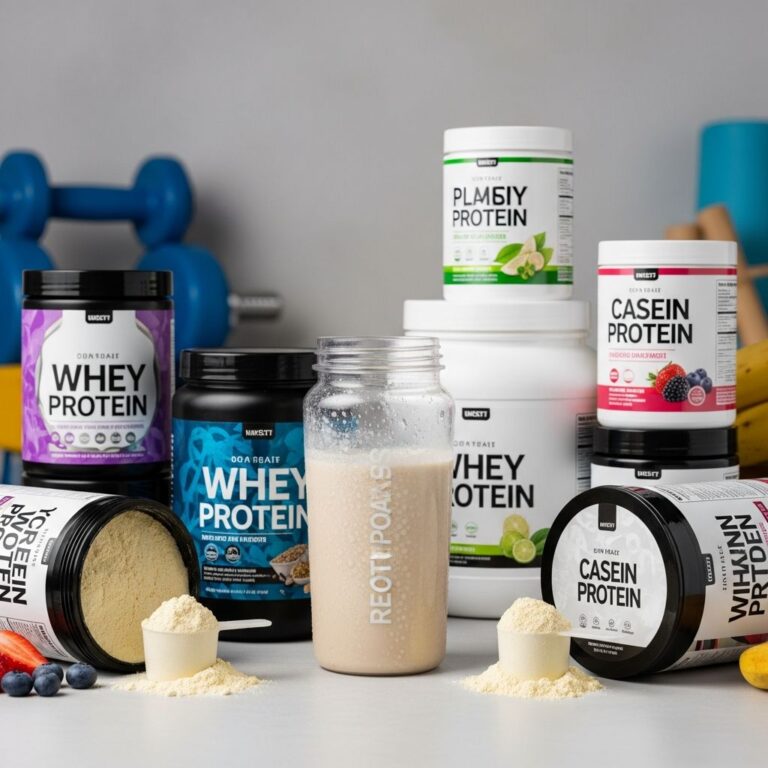
Whey Protein Vs Isolate: 6 Key Differences You Need To Know
Discover the key differences between whey protein concentrate and isolate to choose the best supplement for your fitness and dietary goals.
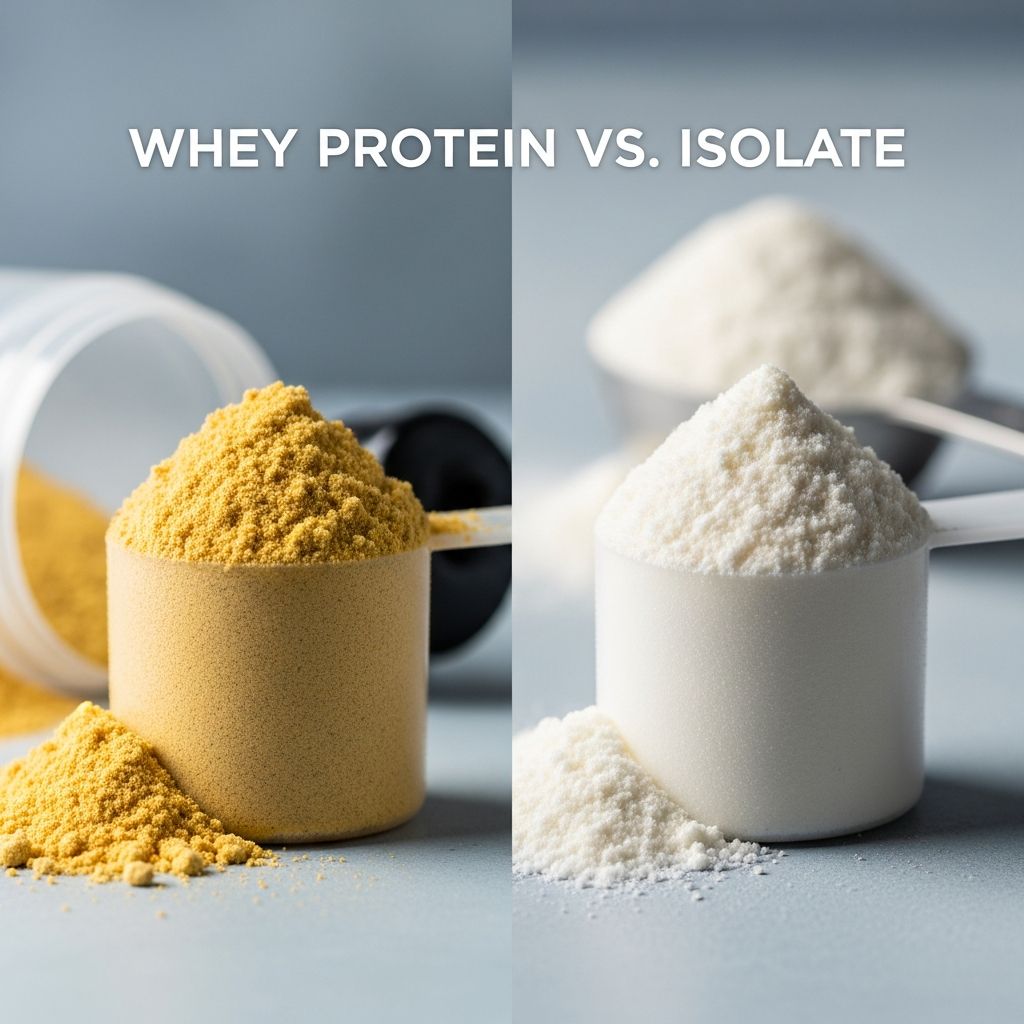
Whey protein concentrate and whey protein isolate are two popular forms of protein supplements derived from milk during cheese production. The primary distinction lies in their processing: concentrate retains more fats, carbs, and lactose (70-80% protein), while isolate undergoes additional filtration for higher purity (90-95% protein), lower calories, and better digestibility.
Both deliver complete proteins with all essential amino acids, supporting muscle growth, recovery, and overall health. Choosing between them depends on goals like maximizing protein intake, managing lactose sensitivity, or budget constraints.
What Is Whey Protein?
Whey protein is a byproduct of milk coagulation in cheese-making, forming a liquid separated from curds. It undergoes basic filtration to produce
whey protein concentrate (WPC)
, containing 70-80% protein by weight, with the remainder being bioactive compounds, carbs (including lactose), and fats.WPC provides around 19-23g of protein per serving, along with small amounts of immunoglobulins, lactoferrin, and growth factors that may boost immunity and gut health. It’s versatile for shakes, baking, or daily nutrition, offering a more ”whole food” profile at a lower cost.
- Affordable and nutrient-dense: Includes beneficial micronutrients from milk.
- Calorie range: Higher due to fats/carbs (about 100-120 calories per 25g serving).
- Suitable for: Beginners, general fitness, or those without dairy sensitivities.
What Is Whey Protein Isolate?
**Whey protein isolate (WPI)** starts as whey but undergoes advanced cross-flow microfiltration or ion-exchange to remove nearly all non-protein elements, yielding 90-95% protein purity. This results in minimal lactose (<1%), fats (<1%), and carbs, making it nearly pure protein.
A typical serving delivers 23-25g protein with under 100 calories, ideal for lean muscle gains or calorie-controlled diets. It’s quickly absorbed, aiding post-workout recovery.
- High purity: Maximizes protein per scoop with fewer fillers.
- Low lactose: Better for sensitive stomachs.
- Cost: Higher due to extra processing.
Whey Protein Concentrate vs. Whey Isolate: Key Differences
The core variances stem from manufacturing: concentrate uses basic filtration, preserving milk’s natural components, while isolate employs precise methods like microfiltration to isolate protein.
| Aspect | Whey Concentrate | Whey Isolate |
|---|---|---|
| **Protein Content** | 70-80% (18-23g/serving) | 90-95% (23-25g/serving) |
| **Carbs/Lactose** | 4-8g, higher lactose | <1-2g, minimal lactose |
| **Fats** | 2-5g | <1g |
| **Calories (per 25g protein)** | 110-130 | 90-110 |
| **Digestibility** | Good, but may cause bloating | Excellent, faster absorption |
| **Price** | Lower ($0.80-1.20/serving) | Higher ($1.20-2.00/serving) |
Data synthesized from multiple sources; values approximate per 30g scoop. Isolate edges out in purity but concentrate offers more micronutrients.
Processing Methods
Concentrate: Ultrafiltration removes water and some minerals, retaining 20-30% non-protein. Isolate: Additional steps like hydrolysis or microfiltration strip fats/lactose, achieving 90+% protein.
Protein Content and Amino Acids
Both are complete proteins rich in BCAAs like leucine (2-3g/serving), crucial for muscle protein synthesis. Isolate has slightly higher leucine due to concentration.
Lactose Content and Digestibility
Concentrate has 4-6% lactose, potentially causing issues for intolerants. Isolate’s <1% makes it gentler. Both digest faster than casein.
Calories and Macros
Isolate’s leanness suits cutting phases; concentrate’s extras aid bulking.
Health Benefits of Whey Protein and Isolate
Both support muscle hypertrophy, fat loss, and recovery via high bioavailability (PDCAAS score ~1.0). Studies show whey reduces post-injury muscle loss. They boost satiety, aid weight management, and provide immune-supporting peptides.
Related Stories



- Muscle building: 20-40g post-workout optimal.
- Weight loss: High protein increases metabolism.
- Recovery: BCAAs reduce soreness.
Who Should Use Whey Protein Concentrate?
Ideal for budget-conscious users, beginners, or those wanting natural milk nutrients without strict macros. Great for meal replacements.
Who Should Use Whey Protein Isolate?
Best for lactose-intolerant individuals, low-carb/keto dieters, competitive athletes, or anyone prioritizing purity and quick absorption.
Potential Downsides
- Concentrate: Bloating, higher calories.
- Isolate: Costlier, fewer bioactives.
- Both: Avoid if milk-allergic; excess may strain kidneys in pre-existing conditions.
How to Choose Between Them
Assess goals: purity/digestion = isolate; value/nutrients = concentrate. Blends offer balance. Check third-party testing for quality.
Frequently Asked Questions (FAQs)
Is whey isolate better than concentrate?
Isolate offers higher protein purity and digestibility, but concentrate is more affordable and nutrient-rich. Depends on needs.
Which has more protein per serving?
Isolate: 90-95% vs. concentrate’s 70-80%.
Can I take whey if lactose intolerant?
Choose isolate for minimal lactose; avoid if allergic.
Are they safe daily?
Yes, 1-2 scoops for most; consult doctor for health issues.
Does isolate build more muscle?
No significant difference if total protein matches; both effective.
Final Thoughts
Whether whey concentrate or isolate, both excel as supplements. Match to your diet, tolerance, and budget for optimal results.
References
- What is the difference between Isolate and Whey proteins? — NDL Pro Health. 2024. https://ndlprohealth.com/en-us/blogs/tips/difference-isolate-and-whey-protein
- Whey Isolate Vs Whey Protein: We Ask the Experts — Men’s Health UK. 2024. https://www.menshealth.com/uk/nutrition/a60438196/whey-isolate-vs-whey-protein/
- Whey Isolate vs Whey Concentrate | What’s The Difference? — MyProtein US. 2024. https://us.myprotein.com/thezone/supplements/whey-isolate-vs-whey-concentrate/
- Whey Protein: Concentrate vs. Isolate (2025 Guide) — Transparent Labs. 2025. https://www.transparentlabs.com/blogs/all/whey-protein-isolate-vs-concentrate
- Whey Protein Concentrate vs. Isolate: By a Nutritionist — Naked Nutrition. 2024. https://nakednutrition.com/blogs/protein/whey-protein-concentrate-vs-isolate
- Difference Between Whey and Whey Isolate — WebMD. 2024. https://www.webmd.com/diet/difference-whey-and-whey-isolate
Similar Articles








Read full bio of Sneha Tete