Whey Vs Plant Protein: Ultimate Guide To Choosing Your Powder
Discover the key differences between whey and plant protein powders to choose the best option for your fitness goals, diet, and health needs.
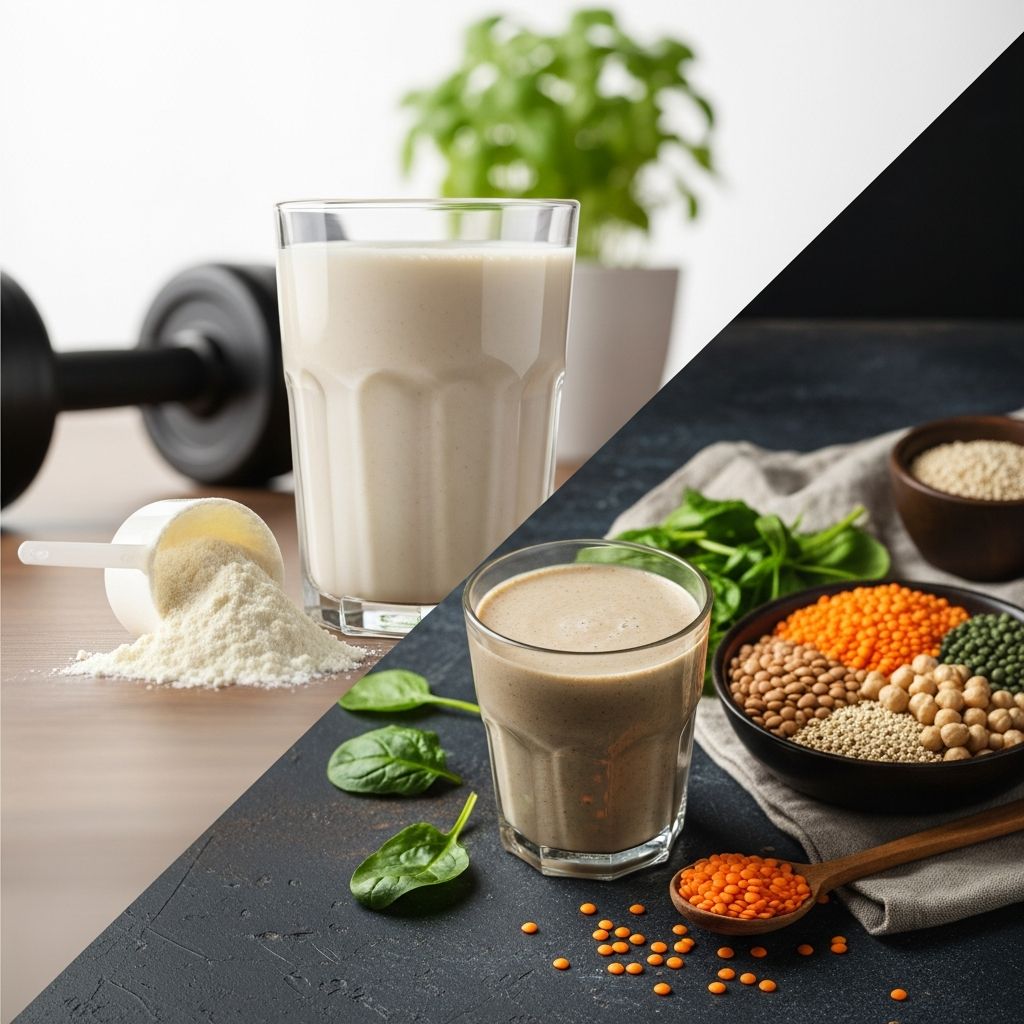
Protein powders are essential tools for athletes, fitness enthusiasts, and anyone aiming to meet their daily protein needs. Whey protein, derived from milk, has long been the gold standard for muscle building due to its complete amino acid profile and high bioavailability. Plant-based proteins, sourced from peas, soy, rice, hemp, and more, have surged in popularity thanks to their vegan-friendly nature, sustainability, and suitability for those with dairy allergies or intolerances. But which is truly better? This article breaks down the nutritional profiles, health benefits, muscle-building potential, digestion, environmental impact, and more to help you decide.
What Is Whey Protein?
Whey protein is a byproduct of cheese production, extracted from cow’s milk during the curdling process. It separates into liquid whey, which is then filtered, dried, and powdered. Available in forms like concentrate (70-80% protein), isolate (90%+ protein, low lactose), and hydrolysate (pre-digested for faster absorption), whey is renowned for its rapid digestion and rich content of branched-chain amino acids (BCAAs), particularly leucine, which triggers muscle protein synthesis.
Whey’s complete protein status means it contains all nine essential amino acids in optimal ratios. A typical serving provides 20-30 grams of protein, making it ideal post-workout. However, it contains lactose, which can cause digestive issues for the 65% of adults worldwide who are lactose intolerant.
What Is Plant Protein?
Plant protein powders are made from sources like peas, soy, brown rice, hemp seeds, and pumpkin seeds. Unlike whey, most single-plant proteins are incomplete, lacking sufficient amounts of certain essential amino acids. Manufacturers often blend them (e.g., pea + rice) to create complete profiles mimicking whey’s amino acid balance. Soy is a notable exception as a complete single-source plant protein.
A standard scoop delivers 20-30 grams of protein, though some products fall short. Plant proteins shine in added fiber, antioxidants, vitamins, and minerals, plus they’re lactose-free, vegan, and often hypoallergenic. Pea protein promotes satiety, soy aids thermogenesis, brown rice is hypoallergenic, and hemp offers sustainability.
Nutritional Comparison
Both whey and plant proteins pack similar protein per serving (20-30g), but differences emerge in amino acids, calories, and extras. Whey boasts higher BCAAs (~26% vs. 18-19% in plants), especially leucine for muscle repair. Plant blends can match this when fortified.
| Nutrient | Whey Protein | Plant Protein |
|---|---|---|
| Protein per Scoop | 20-30g | 20-30g (varies) |
| Complete Protein | Yes | Yes (blends/soy) |
| BCAAs | High (26%) | Moderate (18-19%) |
| Calories | ~120 | ~110 (slightly less) |
| Fiber | 0g | 1-3g |
| Lactose | Yes (concentrate) | No |
Plant proteins often include more micronutrients like iron from peas or omega-3s from hemp, while whey offers calcium and B-vitamins.
Muscle Building and Performance
Does whey outperform plant protein for gains? Research shows no significant difference when protein and leucine levels are matched. A study found a novel plant protein matched whey’s effects on muscle hypertrophy and strength. Other trials comparing pea, rice, and soy to whey reported similar body composition improvements.
One study noted whey slightly superior to soy for lean mass, but it had low power and small sample size. Meta-analyses confirm plant blends build muscle equally if dosed properly (e.g., 20-25g leucine-rich protein post-workout). Both support weight loss by increasing satiety and preserving muscle during calorie deficits.
Related Stories



Digestion and Allergies
Whey’s fast absorption suits post-workout, but lactose and dairy proteins trigger bloating, gas, or allergies in many. Plant proteins are gentler, lacking lactose and common allergens. They’re ideal for IBS sufferers or vegans. Plant sources like pea are highly digestible, often easier than whey for sensitive stomachs.
- Whey drawbacks: 65% global lactose intolerance; dairy allergies affect 2-3%.
- Plant advantages: Hypoallergenic (e.g., rice, hemp); added fiber aids gut health.
Tip: Opt for whey isolate or plant hydrolysates for best digestibility.
Sustainability and Ethics
Plant proteins win on eco-friendliness. Whey production involves dairy farming, high water use, land, and methane emissions. Plants like pea and hemp require less resources, thrive in varied climates, and produce fewer greenhouse gases.
- Pea: Low water, nitrogen-fixing.
- Hemp: Grows fast, no pesticides needed.
- Soy/Rice: Scalable, vegan.
For ethical reasons, plants suit vegans/vegetarians perfectly.
Cost and Taste
Whey is often cheaper ($1-2/serving) with creamier texture and flavors. Plants cost more ($1.50-3/serving) due to processing, with earthier tastes improved by blends/flavors. Both vary by brand.
Who Should Choose Whey?
- Athletes prioritizing max BCAAs and rapid absorption.
- No dairy issues; budget-conscious.
- Seeking creamy shakes.
Who Should Choose Plant Protein?
- Vegans, lactose-intolerant, or dairy-allergic.
- Eco-conscious consumers.
- Wanting fiber/antioxidants.
Blends: The Best of Both?
Hybrid powders (whey + plant) or multi-plant blends offer complete profiles, balanced digestion, and broad appeal. They’re increasingly popular for versatility.
Frequently Asked Questions (FAQs)
Is plant protein as good as whey for building muscle?
Yes, when servings provide similar protein and BCAAs. Studies show equivalent muscle growth and strength gains.
Is plant protein harder to digest than whey?
No, it’s often easier due to no lactose or dairy allergens. Plant proteins suit sensitive digestion better.
Can plant protein cause bloating?
Some (e.g., single-source pea) might, but blends minimize this. Start low and hydrate.
Which is better for weight loss?
Both, as high-protein diets curb hunger. Plants add fiber for extra satiety.
Are plant proteins complete?
Soy yes; others need blending for all essential amino acids.
Final Verdict
Neither reigns supreme—choice depends on diet, goals, tolerances, and values. Whey excels for pure performance; plants for inclusivity and planet. Aim for 20g+ protein/scoop from quality sources. Consult a doctor for personalized advice. Whole foods first, powders second.
References
- Whey Protein Vs. Plant Protein: A Complete Comparison — Vitaquest. 2023. https://vitaquest.com/whey-protein-vs-plant-protein/
- A Novel Plant-Based Protein Has Similar Effects Compared to Whey — PMC/NCBI. 2022-07-20. https://pmc.ncbi.nlm.nih.gov/articles/PMC9355667/
- Plant-Based Protein vs. Whey Protein: Which Is Better? — Healthline. 2023-10-15. https://www.healthline.com/nutrition/whey-vs-plant-protein
Similar Articles








Read full bio of medha deb