Which Blood Pressure Number Matters Most?
Understanding systolic vs. diastolic: Which blood pressure number should you prioritize?
Understanding Your Blood Pressure Numbers
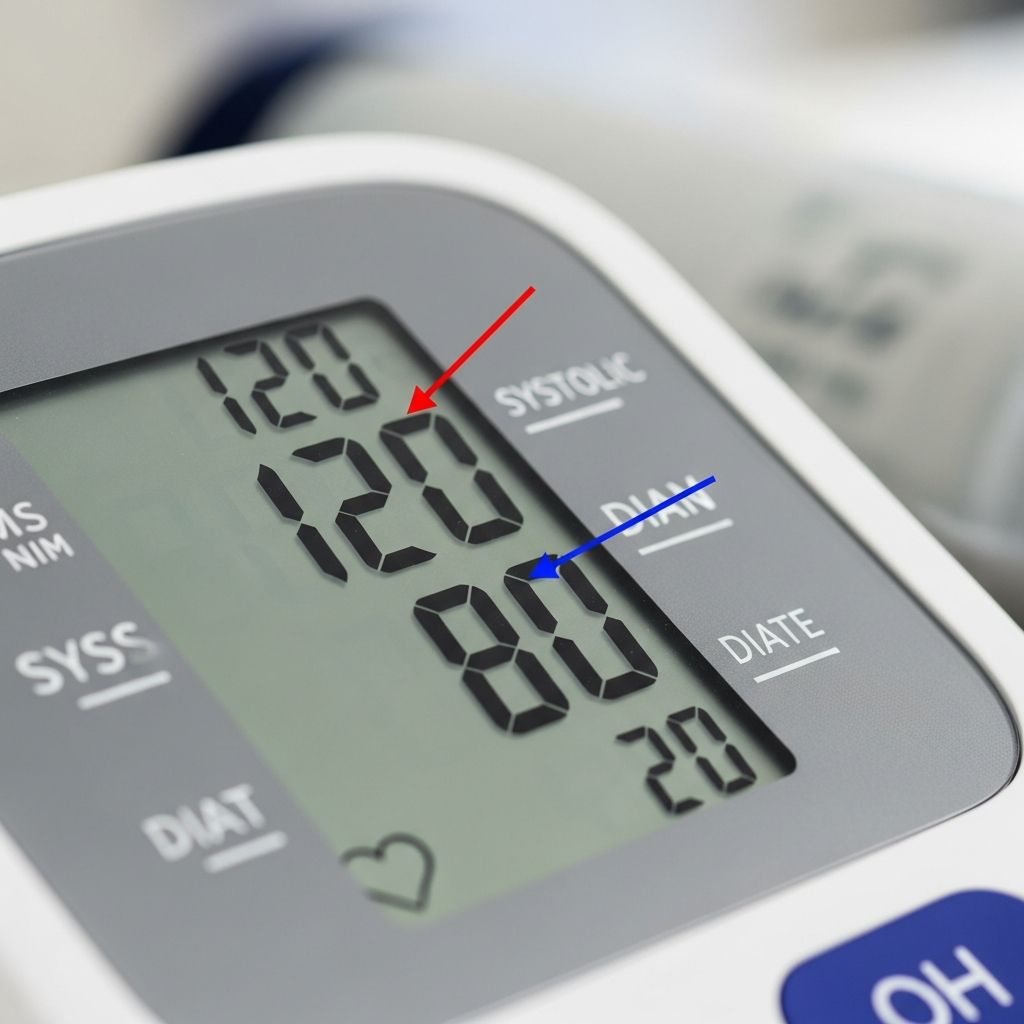
Blood pressure readings appear as two numbers separated by a slash—for example, “136 over 79.” But what do these numbers actually mean, and which one should you pay closer attention to? Understanding blood pressure is essential because it’s one of the most critical indicators of your cardiovascular health. The American Heart Association reports that nearly half of U.S. adults have high blood pressure, and many don’t even know it because hypertension often presents no symptoms.
Blood pressure measurement reflects the force of blood pushing against your artery walls. These two numbers tell different but equally important stories about your heart health and circulation. Dr. Niteesh Choudhry, a professor of medicine at Harvard Medical School, explains that interpreting these numbers correctly is vital for understanding your risk of serious health complications.
Breaking Down the Numbers: Systolic vs. Diastolic
The top number in your blood pressure reading is called systolic pressure. This measurement represents the force of blood pushing against your artery walls when your heart actively beats and contracts. It’s the pressure at the moment of maximum heart activity. The systolic number tells you how hard your heart is working to pump blood throughout your body during each heartbeat.
The bottom number is your diastolic pressure, which measures the force of blood pushing against your artery walls when your heart is at rest between heartbeats. This is the period when your heart refills with blood before the next contraction. The diastolic reading provides insight into the baseline pressure in your circulatory system when your heart isn’t actively pumping.
Both numbers matter for your health, though research has traditionally focused more on the systolic reading. This emphasis stems from a larger body of research linking elevated systolic pressure to poor cardiovascular outcomes. However, experts emphasize that if either number is abnormally high, it requires attention and management.
What Are Normal Blood Pressure Ranges?
According to the American Heart Association and American College of Cardiology, understanding where your blood pressure falls on the health spectrum is crucial for taking appropriate action. The following categories help classify blood pressure readings:
| Blood Pressure Category | Systolic (Top Number) | Diastolic (Bottom Number) |
|---|---|---|
| Normal | Less than 120 mmHg | Less than 80 mmHg |
| Elevated | 120-129 mmHg | Less than 80 mmHg |
| Stage 1 Hypertension | 130-139 mmHg | 80-89 mmHg |
| Stage 2 Hypertension | 140 mmHg or higher | 90 mmHg or higher |
| Hypertensive Crisis | 180 mmHg or higher | 120 mmHg or higher |
A normal blood pressure reading falls below 120/80 mmHg. When your systolic pressure consistently reaches 120-129 mmHg while your diastolic remains below 80 mmHg, this is considered elevated blood pressure—a warning sign that changes may be needed. Stage 1 hypertension occurs when readings consistently hit 130-139 mmHg systolic or 80-89 mmHg diastolic, while stage 2 hypertension is diagnosed at 140/90 mmHg or higher. If your blood pressure suddenly spikes above 180/120 mmHg, this represents a hypertensive crisis requiring immediate medical attention.
The Consequences of High Blood Pressure
When blood pressure remains elevated over time, the consequences for your body can be severe and far-reaching. High blood pressure causes arteries to stiffen and lose their natural flexibility. Dr. Elizabeth Jackson, director of the Cardiovascular Outcomes and Effectiveness Research Program at the University of Alabama at Birmingham, explains this process using a practical analogy: “They are supposed to be flexible. Think about arteries being like a garden hose. If you push a lot of fluid through and the pressure is high, the hose gets stiff and doesn’t work as well.”
Related Stories



Persistent hypertension can lead to multiple serious health complications:
- Stroke caused by blood clots or ruptures in brain blood vessels
- Heart attacks from reduced blood flow to heart muscle
- Kidney failure due to damage to delicate blood vessels in the kidneys
- Heart failure as the heart weakens from constant overwork
- Vision problems and blindness from damage to eye blood vessels
- Cognitive decline and dementia from reduced brain blood flow
- Sexual dysfunction in both men and women
This is why high blood pressure is considered a major cardiovascular risk factor. It silently damages your organs over years or decades without obvious symptoms, making regular monitoring absolutely essential.
Why Both Numbers Matter
While systolic pressure has received more research attention and media focus, experts stress that dismissing either number is dangerous. The logic behind monitoring both readings is straightforward: if one number is elevated while the other remains normal, that abnormal reading still requires medical attention and intervention.
For example, some people have isolated systolic hypertension where only the top number is high, while others develop isolated diastolic hypertension. Each pattern can increase cardiovascular risk, and each requires appropriate treatment. The key principle is that abnormal numbers—whether systolic, diastolic, or both—signal that your cardiovascular system is under stress.
Understanding Risk Factors for High Blood Pressure
High blood pressure develops gradually over time, typically due to a combination of genetic and lifestyle factors. Some risk factors cannot be controlled, while others are very much within your power to modify.
Controllable Risk Factors:
- Being overweight or obese
- Physical inactivity and sedentary lifestyle
- Poor diet high in sodium and processed foods
- Excessive alcohol consumption
- Smoking and tobacco use
- Chronic stress without adequate management
- Insufficient sleep and poor sleep quality
Non-Controllable Risk Factors:
- Increasing age
- Family history of hypertension
- Gender (men at higher risk until age 65)
- Race and ethnicity (African Americans face higher rates)
- Underlying health conditions like kidney disease or diabetes
Certain populations face disproportionately high risks. African American women in the United States have some of the highest rates of hypertension in the world, a disparity rooted in historical and systemic factors that create ongoing health inequities. Until age 64, men generally face higher hypertension risk than women, but this reverses at age 65 and beyond when women’s risk increases significantly.
Treatment Options for High Blood Pressure
The encouraging news is that high blood pressure is highly treatable, regardless of which number is elevated. Treatment approaches typically follow a stepped progression beginning with lifestyle modifications before advancing to medication if necessary.
Lifestyle Modifications:
The first line of defense against hypertension involves making sustainable lifestyle changes. Weight loss, when needed, can significantly reduce blood pressure. Increasing physical activity—aiming for at least 150 minutes of moderate aerobic exercise weekly—strengthens your cardiovascular system and helps regulate blood pressure. Dietary changes, particularly reducing sodium intake and following a heart-healthy eating plan like the DASH diet, can yield substantial improvements.
Additional lifestyle measures include limiting alcohol consumption, managing stress through relaxation techniques or meditation, quitting smoking if applicable, and ensuring adequate quality sleep of 7-9 hours nightly. These changes work synergistically to address the underlying factors contributing to elevated blood pressure.
Medication Options:
When lifestyle modifications alone fail to achieve target blood pressure goals, medications become necessary. Various classes of antihypertensive drugs work through different mechanisms to reduce blood pressure. These may include ACE inhibitors, angiotensin II receptor blockers, beta-blockers, calcium channel blockers, diuretics, and other agents. Your healthcare provider will select medications based on your specific blood pressure pattern, underlying health conditions, and potential side effects.
What About Low Blood Pressure?
While less common than hypertension, low blood pressure presents its own health concerns. Hypotension can result from being overtreated with blood pressure medications, dehydration, or underlying illnesses. Unlike high blood pressure, which often produces no symptoms, low blood pressure typically causes noticeable symptoms including dizziness, lightheadedness, fatigue, and fainting.
Treatment for low blood pressure depends on identifying and addressing the underlying cause. Importantly, what constitutes “too low” varies significantly between individuals. Some people naturally function well with lower blood pressure readings, while others experience symptoms at higher levels. Medical professionals tailor treatment to each person’s specific condition and circumstances.
The Importance of Regular Monitoring
You cannot manage what you don’t measure. Since high blood pressure typically produces no warning symptoms, regular monitoring is the only way to know if your blood pressure is within a healthy range. Many people with hypertension don’t realize they have it because they never check their numbers.
Blood pressure screening is now a standard component of medical visits. Taking your blood pressure at home between office visits can provide valuable information about your typical readings and how they respond to treatment. Modern home blood pressure monitors make it easier than ever to track this vital sign.
Frequently Asked Questions About Blood Pressure
Q: Is systolic or diastolic pressure more important?
A: Both numbers are important for assessing your cardiovascular health. While systolic pressure has been the focus of more research, either elevated number requires attention and management. Doctors use whichever number is abnormal to guide treatment decisions.
Q: Can I lower my blood pressure without medication?
A: Yes, many people can achieve significant blood pressure reductions through lifestyle changes including weight loss, regular exercise, dietary modifications (especially reducing sodium), limiting alcohol, managing stress, quitting smoking, and improving sleep quality. However, some people also need medication to reach healthy targets.
Q: How often should I check my blood pressure?
A: People with normal blood pressure should have it checked at least annually. Those with elevated readings or hypertension should monitor more frequently—often multiple times weekly or as directed by their healthcare provider. Regular monitoring helps track treatment effectiveness.
Q: What’s considered a hypertensive crisis?
A: A hypertensive crisis occurs when blood pressure suddenly spikes to 180/120 mmHg or higher. This represents a medical emergency that can cause stroke, heart attack, or organ damage. Seek immediate medical attention if you experience these readings with symptoms like chest pain or shortness of breath.
Q: Why do some people have only elevated systolic pressure?
A: Isolated systolic hypertension can occur due to arterial stiffness that develops with age or due to specific cardiovascular changes. This pattern is common in older adults and still requires treatment to reduce cardiovascular risk.
References
- Blood Pressure: What Do the Numbers Mean and Why Do They Matter? — American Heart Association. 2023-05-02. https://www.heart.org/en/news/2023/05/02/blood-pressure-what-do-the-numbers-mean-and-why-do-they-matter
- Blood Pressure Categories — American Heart Association and American College of Cardiology. Accessed 2024. https://www.heart.org/en/professional/guidelines-and-statements
- Understanding Blood Pressure Measurements — National Heart, Lung, and Blood Institute (NHLBI). U.S. Department of Health & Human Services. Accessed 2024. https://www.nhlbi.nih.gov/health/blood-pressure
Similar Articles








Read full bio of medha deb