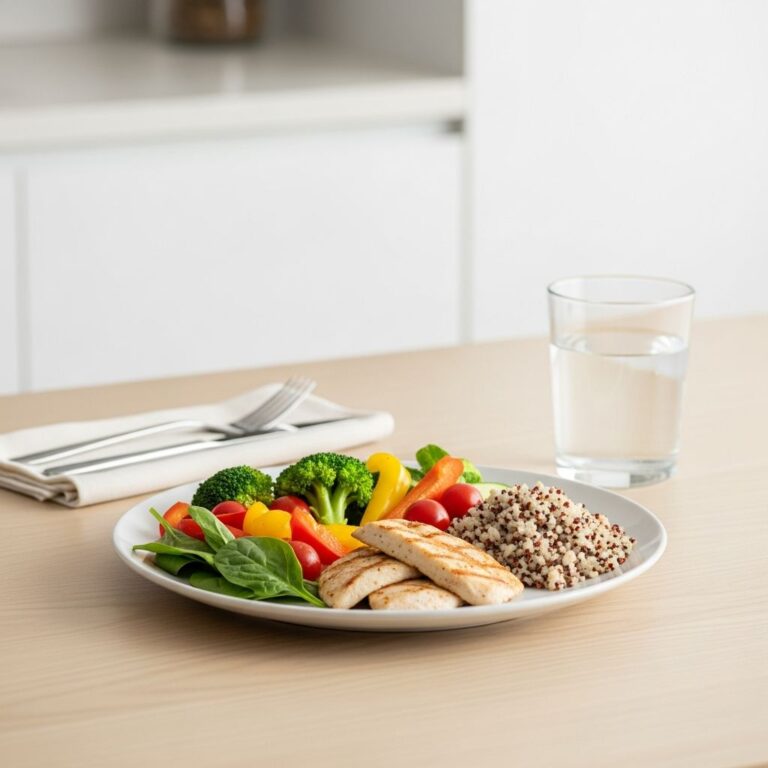
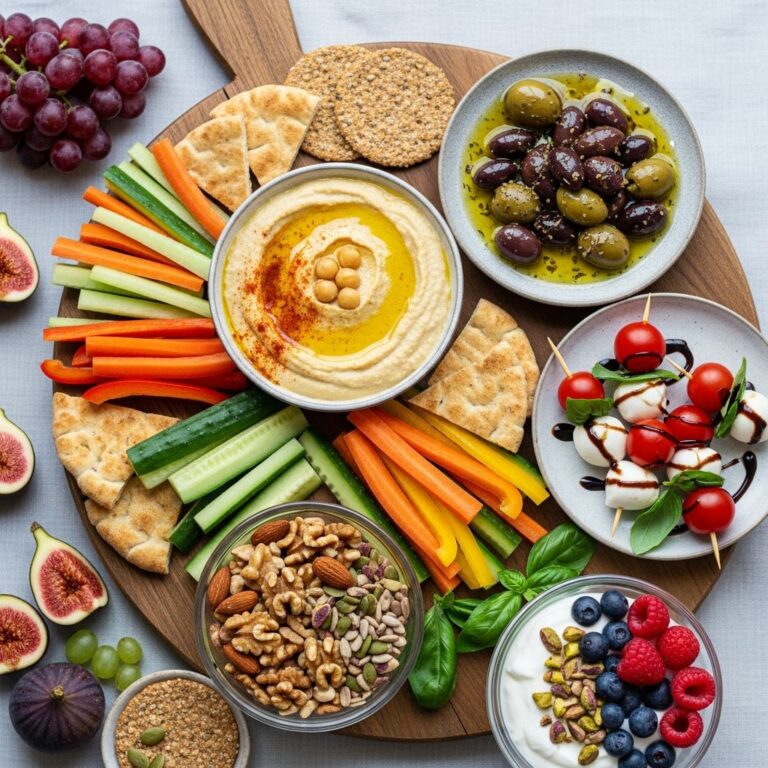
Which Is Healthier: Salty or Sweet Snacks?
Discover which snack type—salty or sweet—poses greater health risks and learn smarter snacking strategies for better nutrition.
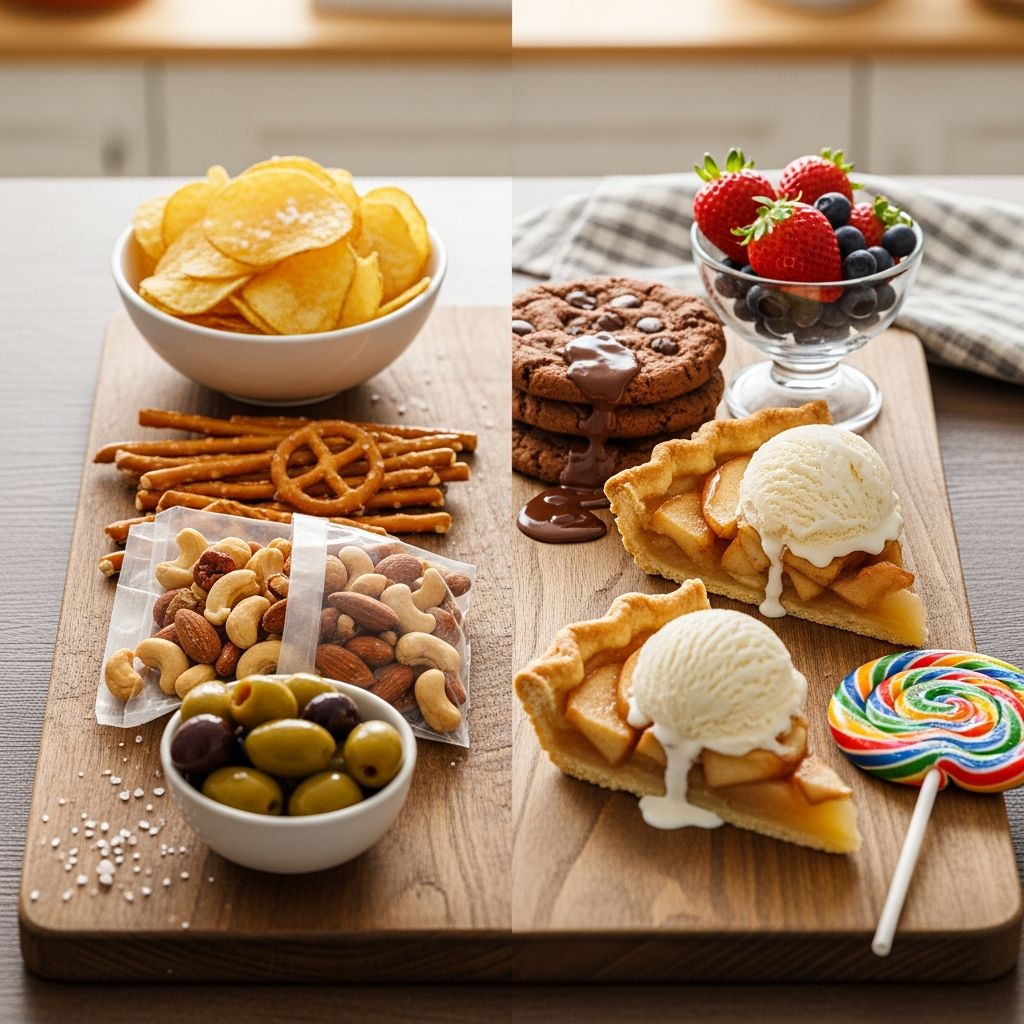
Salty and sweet snacks both tempt us during cravings, but neither is inherently “healthier”—excess of either harms health through high sugar or sodium intake. Sweet snacks drive weight gain, diabetes, and heart disease risks via added sugars exceeding USDA limits, while salty ones elevate blood pressure and stroke risk from sodium overload. Research shows both categories often fail nutrition standards, with healthier fruits and veggies rarely chosen due to cost and appeal.
How Snacks Affect Your Health
Snacking fits modern lifestyles but impacts diet quality. Snacks link to weight gain if excessive, reducing meal nutrient intake and favoring ultra-processed foods high in salt, sugar, and fats. Afterschool programs serve salty flavored snacks (e.g., chips) and desserts 2.1–2.7 days weekly, versus fruits just 0.6 days, showing preference for cheap, shelf-stable options despite policies mandating produce.
Children consume 75–100% of offered snacks, including 95–100% of fruits when available, proving appeal if provided—but programs rarely do so due to $0.38–$0.40 per fruit/veggie snack versus $0.27–$0.32 for desserts/chips. Overall, frequent snacking risks excess calories, poor nutrient balance (low fiber/potassium, high carbs/sodium), and shifted preferences toward hyperpalatable junk.
Sweet Snacks: The Sugar Trap
Sweet snacks like cookies, candy, and sodas pack added sugars beyond USDA’s <10% daily calories recommendation (e.g., ≤6 tsp/day per American Heart Association). Americans average 22 tsp daily—over 3x the limit—fueling insulin resistance, type 2 diabetes, obesity, and heart disease.
Suppressed research once downplayed sugar’s heart role, blaming fats instead, but evidence now confirms excess sugar’s toll. Even non-sweet foods hide sugar; one soda or chocolate bar can max daily allowance, crowding out nutrients.
- Average added sugar intake: 22 tsp/day vs. recommended 6 tsp.
- Risks: Weight gain, diabetes, elevated triglycerides, heart disease.
- Common culprits: Desserts served 2.7 days/week in programs.
Salty Snacks: The Sodium Surge
Salty snacks like chips and pretzels contribute to sodium intakes far over USDA’s 2,300 mg/day limit (≈1 tsp salt). 75% of sodium comes from processed foods/restaurants, not shakers—chips add up fast. Elevated sodium raises blood pressure, stroke/heart disease risk.
Programs serve artificially flavored salty snacks 2.1 days/week, cheaper at $0.27–$0.32/snack. Like sweets, they displace nutrients and promote overeating.
- Average intake exceeds 2,300 mg/day.
- Risks: Hypertension, cardiovascular events.
- Sources: 75% processed/packaged foods.
Sweet vs. Salty: A Direct Comparison
| Aspect | Sweet Snacks | Salty Snacks | Healthier Alternative |
|---|---|---|---|
| Primary Concern | Added sugars (>10% calories) | Sodium (>2,300 mg/day) | Fruits/veggies/nuts |
| Key Risks | Obesity, diabetes, heart disease | Hypertension, stroke | Nutrient-dense, low risk |
| Cost per Snack | $0.27–$0.32 (desserts) | $0.27–$0.32 | $0.38–$0.40 (fruit/veg) |
| Consumption Rate | 75–100% when served | 75–100% | 95–100% fruits |
| Policy Compliance | Violates no sugar-sweet foods rule | Violates no artificial flavors | Meets daily fruit/veg standard |
No clear winner: Both exceed limits and fail standards—no program met all healthy eating rules. Serving fruit/veg daily to 100 kids costs $7,244/year vs. $4,877 for junk, explaining prevalence.
Related Stories



Healthier Swaps for Sweet Cravings
Replace sweets with nutrient-rich options to satisfy without spikes:
- Fresh fruit: Natural sweetness, fiber, vitamins—satisfies fully.
- Low-sugar yogurt: Provides calcium/protein kids lack.
- Dark chocolate (small portion): Antioxidants with less sugar.
- DIY treats: Low-sugar recipes control ingredients.
Spend sugar “budget” wisely—one small indulgence, then stop.
Healthier Swaps for Salty Cravings
Curb sodium with fresh, flavored alternatives:
- Raw veggies (carrots, celery): Crunch without sodium; rinse canned to cut 30–40%.
- Unsalted nuts/popcorn: Healthy fats, portion-controlled.
- Home-cooked: Use garlic, herbs, vinegar—no salt needed.
- Fresh/frozen over packaged; limit restaurant meals.
A sprinkle of salt is fine if most food is home-prepped whole foods.
Smarter Snacking Strategies
Optimize snacking for health:
- Portion control: Pre-portion to avoid overeating.
- Nutrient focus: Choose fiber/potassium-rich (yogurt, fruit, nuts, veggies).
- Timing: Snack when hungry, not bored—prevent meal-skipping.
- Hydrate: Water first; thirst mimics hunger.
- Read labels: Spot hidden sugar/sodium in “healthy” items.
Programs need support for bulk produce buys to match junk costs.
Expert Tips for Balanced Snacking
“It’s not sugar vs. salt, but how you eat: Prioritize whole foods, limit processed.” – Insights from dietitians and studies.
Genetics may sway preferences (sweet/salty taste genes), but habits override. Track intake: Apps help stay under limits.
Frequently Asked Questions (FAQs)
Are sweet snacks worse than salty ones?
No—both harm in excess. Sugar links to diabetes/weight gain; sodium to blood pressure. Choose produce over both.
Can kids eat salty/sweet snacks?
Rarely; 75–100% eat what’s served, but programs fail standards. Fruits succeed when offered.
How much sugar/salt is too much?
Sugar: <10% calories (6 tsp/day); sodium: ≤2,300 mg/day. Most exceed via processed foods.
Why are healthy snacks costlier?
Fruits/veggies: $0.38–$0.40/snack vs. $0.27 for junk; bulk programs could help.
Do snacks cause weight gain?
Yes, if excessive/hyperpalatable—displaces nutrients, boosts calories.
Key Takeaways
- Neither salty nor sweet wins; both ultra-processed options harm.
- Opt for fruits, veggies, nuts: Nutritious, appealing, policy-compliant.
- Control portions, read labels, cook fresh for heart health.
References
- Salty or Sweet? Nutritional quality, consumption, and cost of snacks … — PMC/NCBI. 2015-04-29. https://pmc.ncbi.nlm.nih.gov/articles/PMC4432474/
- Sugary or Salty: The Snack Time Debate — UVA Health. Accessed 2026. https://www.uvahealth.com/healthy-balance/sugary-or-salty-the-snack-time-debate/
- The Science of Snacking — Harvard T.H. Chan School of Public Health. Accessed 2026. https://nutritionsource.hsph.harvard.edu/snacking/
- Sweet vs Salty: Taste Preferences and Genetics — 23andMe. Accessed 2026. https://www.23andme.com/topics/traits/sweet-salty/
Similar Articles








Read full bio of Sneha Tete