Which Vitamin Deficiency Causes Hair Loss?
Discover which vitamin deficiencies trigger hair loss and learn how to address them through diet, tests, and expert advice for healthier hair.
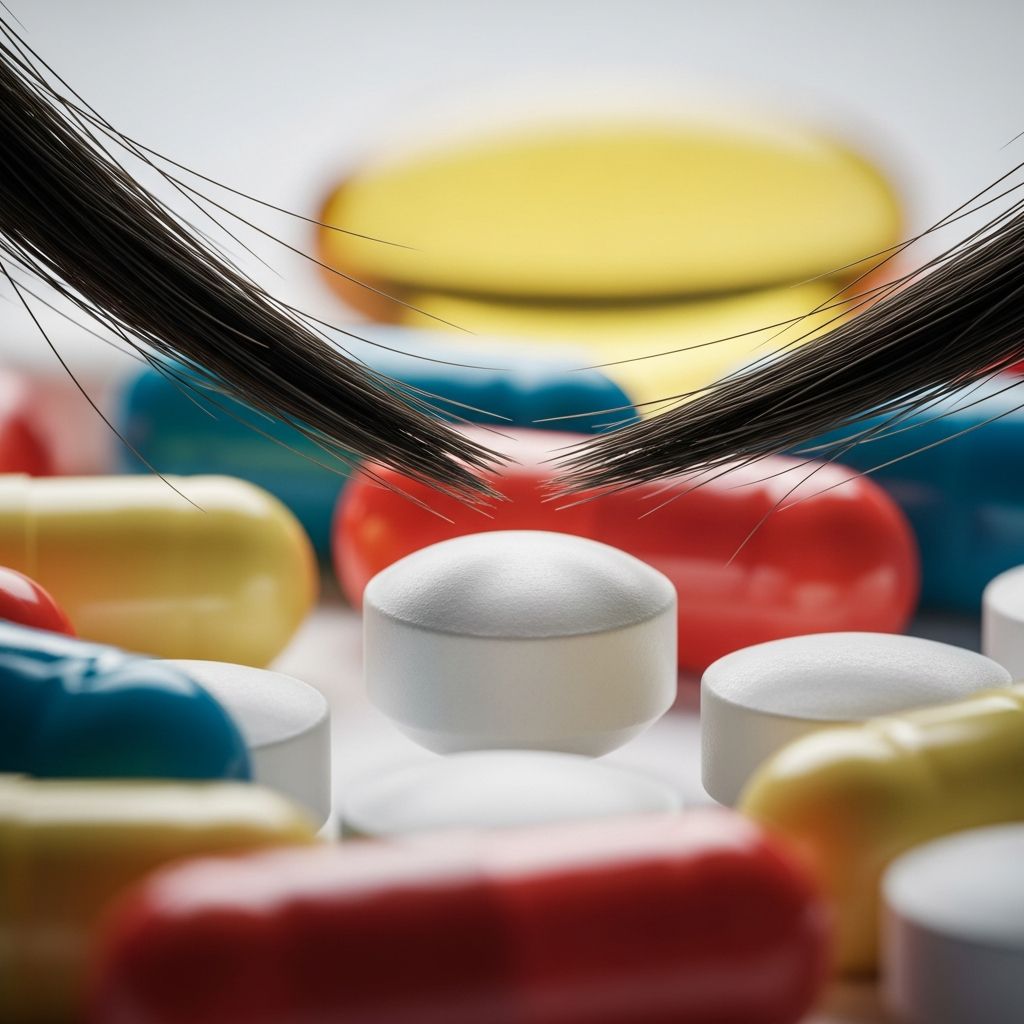
Hair loss can stem from various causes, but
vitamin deficiencies
play a significant role in weakening hair follicles and disrupting growth cycles. Deficiencies in vitamins like D, biotin (B7), C, E, and minerals such as iron and zinc are linked to conditions like telogen effluvium, alopecia areata, and thinning hair.Maintaining adequate nutrient levels supports keratin production, oxygen delivery to follicles, and overall scalp health. While genetics and hormones contribute, poor nutrition accelerates shedding and brittleness. This article examines key deficiencies, symptoms, sources, and solutions based on medical research.
Can Vitamin Deficiency Cause Hair Loss?
Yes,
vitamin deficiencies can cause or exacerbate hair loss
. Hair growth relies on a steady supply of nutrients for follicle function and the anagen (growth) phase. Nutrient shortages lead to weaker strands, increased shedding, and conditions like diffuse thinning or alopecia.For instance, low levels impair cell growth in follicles, reducing keratin synthesis—the protein comprising 95% of hair. Studies show reversal of hair loss with supplementation in deficient individuals, particularly for zinc and B vitamins. Older adults, vegans, and those with restrictive diets are at higher risk due to reduced absorption or intake.
Vitamin D and Hair Loss
**Vitamin D deficiency** is strongly associated with hair loss, especially alopecia areata, an autoimmune condition causing patchy baldness. This “sunshine vitamin” promotes new follicle creation and regulates the hair cycle. Roughly 35% of U.S. adults are deficient, with older adults more vulnerable due to less sun exposure, reduced skin synthesis, and absorption issues.
Symptoms include thinning, excess shedding, fatigue, and bone pain. Low vitamin D affects keratinocyte cells essential for hair formation. Recommended intake: 600-800 IU daily for adults (NIH guidelines), higher if deficient.
- Sources: Sunlight (10-30 minutes midday), fatty fish (salmon), fortified milk, egg yolks, mushrooms.
- Testing: Blood 25-hydroxyvitamin D test; levels below 20 ng/mL indicate deficiency.
Vitamin E and Hair Loss
**Vitamin E**, a potent antioxidant, protects follicles from oxidative stress. Deficiency, though rare, causes dry, brittle hair and loss, often with neurological symptoms like impaired reflexes. One study found tocotrienol supplementation (100 mg daily) increased hair count in volunteers.
Risk factors include fat malabsorption disorders. Excess vitamin E from supplements can paradoxically trigger loss.
- Sources: Almonds, sunflower seeds, spinach, avocados, plant oils.
- Symptoms: Brittle hair, muscle weakness, anemia in severe cases.
Vitamin C and Hair Loss
**Vitamin C** aids iron absorption, vital for oxygen delivery to follicles. Deficiency leads to dry, brittle hair prone to breakage and thinning. It’s not a direct cause of baldness but worsens overall hair quality.
Smokers, those with eating disorders, or chronic illnesses are at risk. Symptoms: fatigue, gingivitis, slow wound healing.
| Food Sources | Serving Size | Vitamin C (mg) |
|---|---|---|
| Orange | 1 medium | 70 |
| Strawberries | 1 cup | 98 |
| Bell pepper, red | 1/2 cup | 95 |
| Broccoli | 1/2 cup cooked | 51 |
Iron Deficiency and Hair Loss
**Iron deficiency** is a leading cause of hair loss, particularly in women, causing anemia and reduced oxygen to follicles. It triggers telogen effluvium, with shedding as the first sign. Low ferritin (stored iron) levels correlate with thinning.
Related Stories



Symptoms: dizziness, pale skin, exhaustion, headaches. Vegans and menstruating women are prone.
- Sources: Red meat, spinach, lentils, fortified cereals (pair with vitamin C for absorption).
- Daily needs: 8 mg men, 18 mg premenopausal women.
Zinc and Hair Loss
**Zinc deficiency** impairs follicle repair and growth, linked to alopecia areata, TE, and pattern baldness. Patients with these conditions show lower serum zinc. Supplementation reverses loss in deficient cases.
- Sources: Oysters, beef, pumpkin seeds, chickpeas.
- Symptoms: Brittle hair, slow wound healing, immune issues.
B Vitamins and Hair Loss
Biotin (Vitamin B7)
**Biotin** supports keratin production. Deficiency causes weak, thinning hair, though rare except in genetic disorders or excessive raw egg consumption.
Vitamin B12
**B12** aids red blood cell production for scalp oxygenation. Deficiency leads to shedding; common in vegans and those on acid reducers.
Folate (B9)
**Folate** promotes cell division for hair growth. Low levels slow follicle activity.
- Sources (B-complex): Eggs, leafy greens, nuts, whole grains, meat.
Vitamin A and Hair Loss
**Vitamin A** is essential for cell growth, but deficiency causes thinning, while excess (hypervitaminosis A) from supplements triggers loss. Balance via diet is crucial; avoid high-dose pills.
- Sources: Sweet potatoes, carrots, liver (moderate portions).
Who Is at Risk for Vitamin Deficiencies?
- Older adults: Reduced absorption, less sun, medications.
- Restricted diets: Vegan/vegetarian (B12, iron, zinc).
- Medical conditions: Celiac, IBD affecting absorption.
- Lifestyle: Low sun exposure, smoking, alcohol abuse.
Signs You Might Have a Vitamin Deficiency
- Excessive shedding (>100 hairs/day).
- Brittle, dry strands.
- Slow regrowth.
- Fatigue, pale skin (iron/B12).
- Muscle weakness (E/zinc).
These overlap with other issues; blood tests confirm.
Should You Take a Hair Growth Vitamin?
Don’t self-supplement blindly—excess vitamins A, E, selenium can worsen loss. Get tested first. Diet optimization often suffices; supplements for confirmed deficiencies under medical guidance. Multivitamins may help at-risk groups.
Prevention Tips
- Eat a balanced diet rich in whole foods.
- Get 15 minutes daily sun for vitamin D.
- Monitor intake if dieting.
- Consult a doctor for persistent loss.
Frequently Asked Questions (FAQs)
Can vitamin D deficiency cause hair loss?
Yes, low vitamin D links to alopecia areata and thinning by impairing follicle growth.
Does biotin help with hair loss?
Biotin aids keratin if deficient, but evidence is limited for non-deficient people.
Is iron deficiency common for hair loss in women?
Yes, it’s a top cause due to menstruation and diet.
How do I test for deficiencies?
Blood tests for serum levels, ferritin, 25-OH D, etc..
Can too many vitamins cause hair loss?
Yes, excess A, E, selenium triggers shedding.
References
- Does Vitamin Deficiency Cause Hair Loss? — National Council on Aging (NCOA). 2023. https://www.ncoa.org/article/does-vitamin-deficiency-cause-hair-loss/
- 7 Vitamin Deficiencies That Cause Hair Loss — WellMed Medical Group. 2023. https://www.wellmedhealthcare.com/patients/healthyliving/conditions-diseases/7-vitamin-deficiencies-that-cause-hair-loss/
- Diet and Hair Loss: Effects of Nutrient Deficiency and Supplement Use — National Library of Medicine (PMC). 2017-01-20. https://pmc.ncbi.nlm.nih.gov/articles/PMC5315033/
Similar Articles








Read full bio of Sneha Tete