White Meat vs. Dark Meat: Which Is Healthier?
Discover the nutritional differences between white and dark meat chicken to make informed choices for your health and meals.
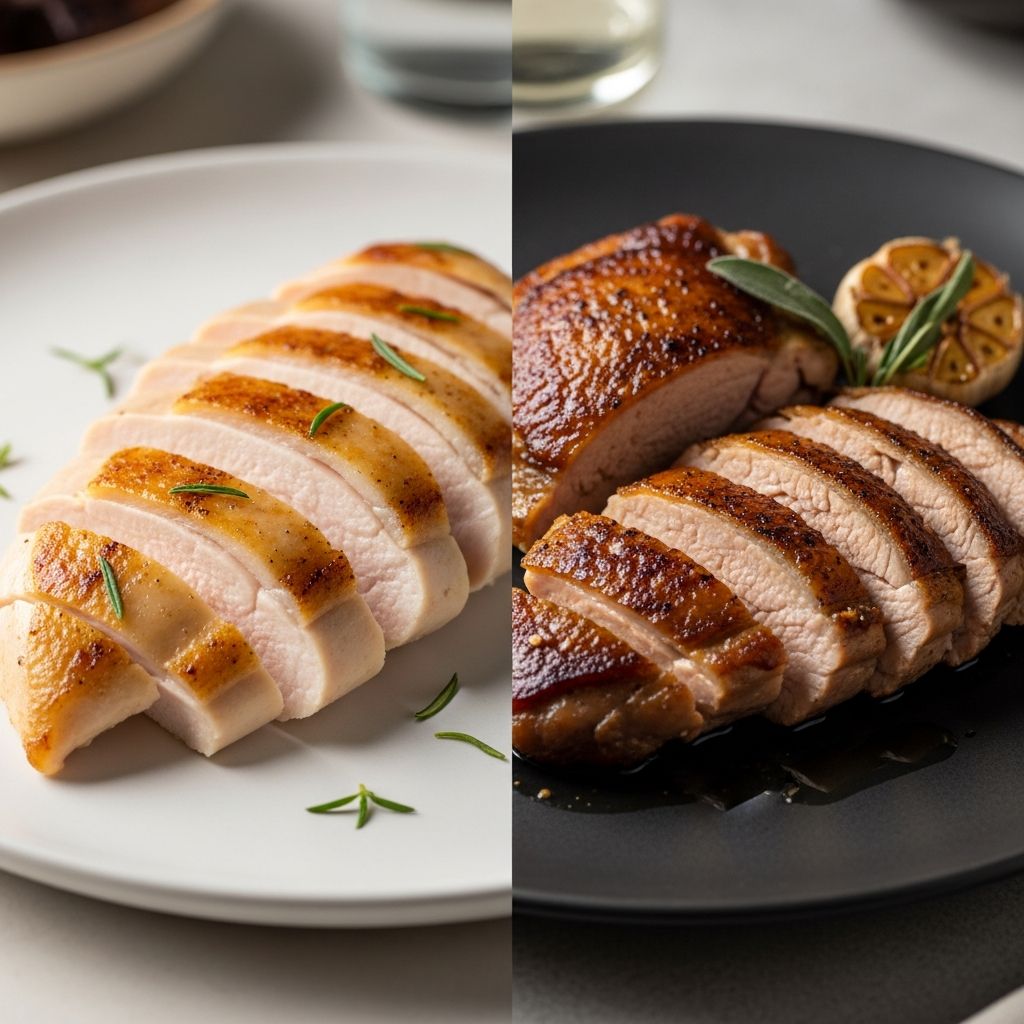
Chicken is a dietary staple for many, prized for its versatility, affordability, and high protein content. But when choosing between
white meat
(like breasts and wings) anddark meat
(thighs and drumsticks), which offers superior health benefits? The answer isn’t straightforward—white meat is leaner with fewer calories, while dark meat packs more nutrients and flavor. This comprehensive guide breaks down the nutritional profiles, taste differences, cooking methods, and expert recommendations to help you decide.What Is White Meat Chicken?
White meat comes from the breast and wings of the chicken, areas with less frequent use, resulting in lighter-colored, leaner muscle tissue. These cuts are popular for their mild flavor and tender texture, making them ideal for grilling, baking, or stir-frying.
- Breast meat: The most common white meat, prized for its low fat and high protein.
- Wing meat: Slightly fattier than breast but still classified as white, with a bit more flavor.
White meat’s leanness means it cooks quickly but can dry out if overcooked, so precise timing is key.
What Is Dark Meat Chicken?
Dark meat derives from the legs, thighs, and drumsticks—parts the chicken uses more actively for walking and standing. This increased activity leads to higher myoglobin (an oxygen-storing protein), giving it a darker hue, richer taste, and juicier texture.
- Thighs: Bone-in or boneless, they stay moist even with longer cooking.
- Drumsticks: Affordable and flavorful, perfect for barbecues.
The extra fat in dark meat prevents drying, making it forgiving for beginners.
Nutritional Comparison: White Meat vs. Dark Meat
Per 3-ounce (85g) serving (skinless, cooked):
| Nutrient | White Meat (Breast) | Dark Meat (Thigh) |
|---|---|---|
| Calories | 147 | 174 |
| Protein (g) | 26 | 23 |
| Total Fat (g) | 1-3 | 9 |
| Saturated Fat (g) | ~1 | ~2-3 |
| Iron (% DV) | 4% | 7-11% |
| Zinc (% DV) | 6% | 15% |
Data averaged from multiple analyses. White meat edges out in protein and calories, ideal for weight management. Dark meat shines in iron, zinc, and B vitamins like niacin, B6, B12, thiamine, and riboflavin—crucial for immunity, energy, and brain health. It also offers more selenium and phosphorus for bone health. Both provide heart-healthy unsaturated fats, with dark meat containing twice the omega-3s.
Health Benefits of White Meat
**Lean protein powerhouse:** With minimal fat, white meat supports muscle building without excess calories, aiding weight loss and heart health by limiting saturated fat intake.
- High in B6 and B12 for red blood cell production and nerve function.
- Lower calorie density: Perfect for calorie-controlled diets.
- Versatile for low-fat recipes like salads or stir-fries.
Studies affirm poultry’s role in reducing chronic disease risk when skinless.
Health Benefits of Dark Meat
Don’t dismiss dark meat—its nutrient density rivals organ meats. The myoglobin boosts iron for oxygen transport, combating anemia, while zinc bolsters immunity.
- Richer in vitamins A, K, folate, pantothenic acid.
- More flavorful fats enhance satiety, potentially curbing overeating.
- Skin removal slashes saturated fat, preserving benefits.
Related Stories



Dark meat’s fats are mostly monounsaturated/polyunsaturated, supporting cholesterol levels.
Which Is Healthier?
Neither is outright “healthier”—it depends on goals. For
weight loss or low-fat diets
, choose white meat. Fornutrient density and anemia prevention
, opt for dark meat. Balance both: USDA guidelines recommend 26 oz weekly poultry equivalent, mixing cuts. Skinless preparation equalizes fat profiles. Recent analyses (2023-2025) confirm both fit healthy patterns like Mediterranean diets.Taste and Texture Differences
White meat: Mild, clean taste; firm, sometimes dry texture. Dark meat: Robust umami from fats and myoglobin; juicy, tender. Preference is subjective—polls show 60% favor dark for flavor.
Cooking Tips for White Meat
- Brine or marinate to retain moisture.
- Use thermometer: 165°F internal.
- Quick methods: Grill, poach, or air-fry.
Avoid overcooking; rest 5 minutes post-cook.
Cooking Tips for Dark Meat
- Slow-cook, braise, or roast at 325°F+.
- Bone-in for flavor infusion.
- Perfect for curries, stews, BBQ.
Harder to overcook, ideal for meal prep.
Cost Comparison
Dark meat is cheaper: Thighs ~$2-3/lb vs. breasts $4-6/lb, due to demand. Great value for families.
FAQs
Is dark meat fattier than white meat?
Yes, but mostly healthy fats; remove skin to minimize.
Can I eat dark meat on a low-carb diet?
Absolutely—high protein, zero carbs.
Is white meat better for heart health?
Leaner profile helps, but both are superior to red meat.
How much chicken should I eat weekly?
26 oz equivalent, varied cuts.
Does cooking method affect nutrition?
Frying adds fat; baking/grilling preserves.
References
- Dark Meat vs White Meat — WebstaurantStore. 2023. https://www.webstaurantstore.com/blog/4688/dark-meat-vs-white-meat.html
- White vs Dark: Which Type of Chicken is Healthier? — MDDietTemecula. 2024. https://mddiettemecula.com/white-vs-dark-which-type-of-chicken-is-healthier/
- The Great Debate over White Meat and Dark Meat — RickySinghMD. 2023. https://www.rickysinghmd.com/in-the-news/the-great-debate-over-white-meat-and-dark-meat/
- Dark Meat vs White Meat: Choosing the Right Cut of Chicken — Perdue Farms. 2024. https://www.perdue.com/the-table-blog/solutions/preparation/dark-meat-vs-white-meat-choosing-the-right-cut-of-chicken
- Dark Meat vs. White Meat Chicken: What’s the Difference? — MealPro. 2025. https://www.mealpro.net/blog/white-meat-vs-dark-meat-chicken-whats-difference/
- White Meat vs. Dark Meat Chicken: Nutrition, Flavor, and More! (Video Transcript) — YouTube (Nutrition Channel). 2024. https://www.youtube.com/watch?v=KrDaUcjH6f0
Similar Articles








Read full bio of medha deb