White Mulberry Leaf: Health Benefits, Uses, and Safety
Discover the traditional and modern health benefits of white mulberry leaf for diabetes, heart health, and wellness.
White Mulberry Leaf: Traditional Uses and Modern Health Applications
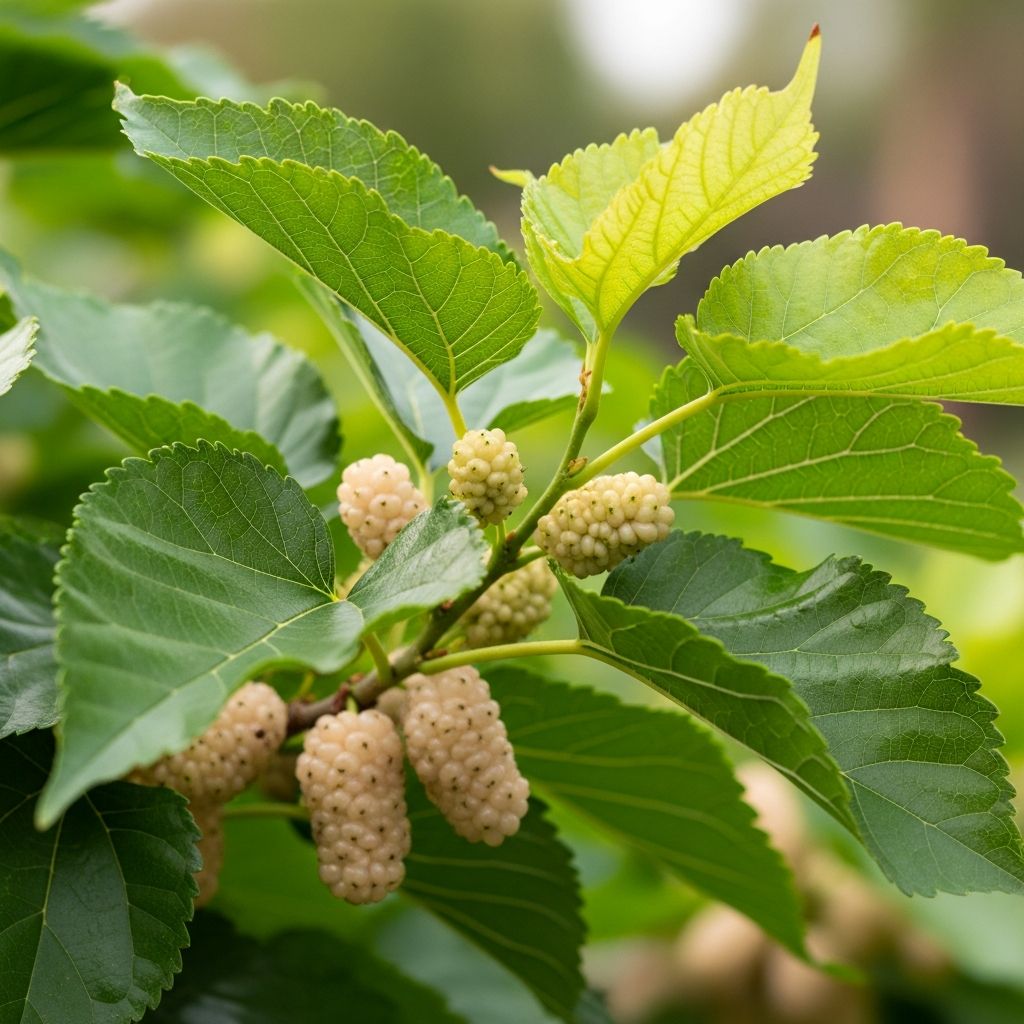
White mulberry leaf has been used for centuries in traditional Chinese medicine and other traditional medicine systems to address various health conditions. In traditional Chinese medicine, mulberry leaves are specifically used to treat diabetes, which is known as “Xiao-ke,” as well as cough, sore throats, fever, and bronchitis. The leaves have also been traditionally employed as cooling agents, sweat inducers, and antipyretics, while being recognized for their nutritional value due to their richness in proteins and polysaccharides. All parts of the mulberry plant have historically been used to help various physiological conditions, including diuresis, sedation, cooling the body, improving tone, and treating neuropathy.
Chemical Composition and Bioactive Compounds
White mulberry leaf contains a diverse array of bioactive compounds that contribute to its therapeutic potential. The leaves are rich in alkaloids, flavonoids, and phenolic compounds, making them an important source of natural medicinal compounds. These secondary metabolites provide a wide range of health benefits, including antioxidant, anti-inflammatory, and antidiabetic properties. Additionally, mulberry leaves provide nutritional benefits such as minerals, anthocyanins, phytonutrients, and vitamins that support overall health and wellness.
Key Bioactive Components
Several important compounds have been identified in white mulberry leaves:
– 1-deoxynojirimycin (DNJ): A compound that prevents the absorption of carbohydrates in the gut, contributing to blood sugar management- Anthocyanins: Antioxidant pigments with anti-inflammatory properties and the ability to interfere with lipid oxidation- Flavonoids and Quercetins: Compounds with potential anticancer and antioxidant activities- Polyphenols: Plant compounds known to enhance cognition and slow neurodegeneration- Morusin: A compound in the bark with preliminary evidence for antioxidant, antitumor, anti-inflammatory, and neuroprotective activity
Blood Sugar Management and Diabetes Control
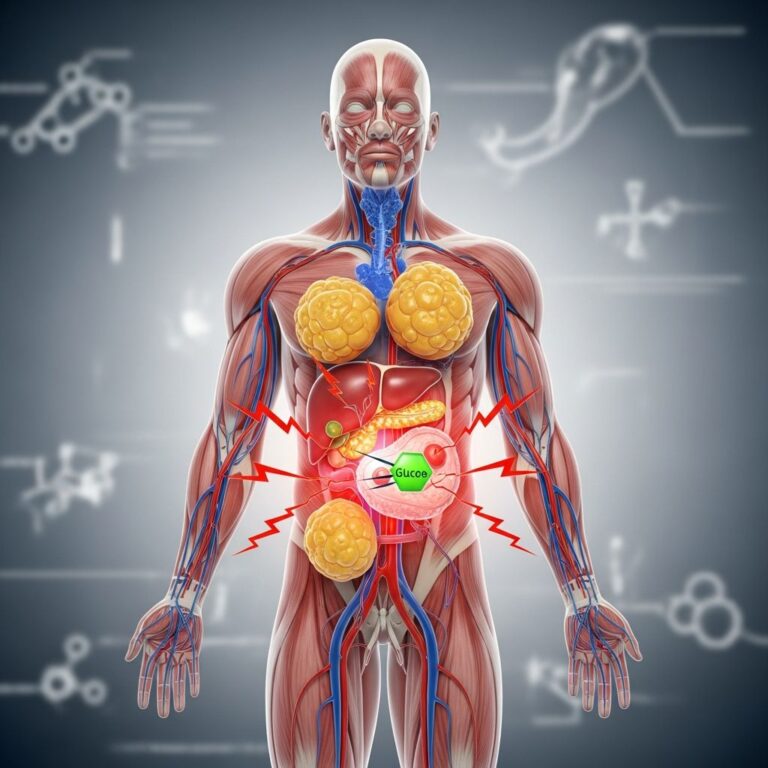
One of the most well-researched applications of white mulberry leaf is its potential role in managing blood sugar levels and supporting diabetes treatment. Mulberry leaves contain several compounds that may help combat diabetes and improve glucose metabolism. A 2017 placebo-controlled study demonstrated that adults who ingested maltodextrin followed by mulberry leaf extract containing 5% DNJ experienced significantly lower rises in blood sugar and insulin levels compared to the placebo group, with 250 or 500 mg of extract showing the most notable effects.
Research suggests that white mulberry leaf extracts and their components work through multiple mechanisms to improve glucose control. The α-glucosidase inhibition documented in mulberry leaf extract partially explains its antidiabetic activity. More recent experimental studies have shown that these compounds can improve glucose metabolism through activation of the IRS-1/PI3K/Akt pathway and increase in GLUT4 expression and translocation, leading to improved glucose tolerance, reduced insulin resistance, and better control of body weight.
Cardiovascular Health and Cholesterol Management
White mulberry leaf shows promising potential for supporting cardiovascular health through multiple mechanisms. Research suggests that compounds found in mulberry leaf may reduce cholesterol levels, lower blood pressure, decrease inflammation, and help prevent atherosclerosis—a buildup of plaque in arteries that can lead to heart disease. A 2018 review identified several cardiovascular benefits associated with mulberry leaf compounds, including aiding blood sugar management, managing cholesterol levels, reducing oxidative stress, reducing inflammation, and lowering blood pressure.
In animal studies, treatment with aqueous mulberry leaf extract resulted in significant reductions in body weight and plasma levels of cholesterol, triacylglycerol, and free fatty acid concentrations, while also increasing the ratio of HDL to LDL cholesterol—an important marker of cardiovascular health. These findings suggest that white mulberry leaf may offer multiple pathways for supporting heart health, though human clinical trials are needed to fully establish efficacy in people.
Related Stories



Weight Management and Metabolic Health
White mulberry leaf has demonstrated potential benefits for weight management and metabolic health through its effects on adipose tissue and metabolic hormones. Research in animal models has shown that mulberry leaf supplementation can reduce adiposity and insulin resistance through down-regulation of visceral adipose tissue leptin and resistin gene expression while simultaneously upregulating adiponectin gene expression. These hormonal effects are significant because they address some of the underlying metabolic dysfunction associated with obesity.
In high-fat diet studies, white mulberry administration significantly reduced both serum leptin and resistin contents as well as their mRNA expression, while increasing serum adiponectin levels and its mRNA expression. Additionally, rodent studies note that mulberry leaves may increase fat burning and promote weight loss. The hormone receptor assay showed that mulberry extract had relevant inhibitory effects on metabolic markers, with administration resulting in reductions in body weight and both peripheral and hepatic lipid accumulation.
Anti-Inflammatory and Antioxidant Effects
Chronic inflammation and oxidative stress are underlying factors in numerous diseases. White mulberry leaf contains numerous anti-inflammatory compounds, including flavonoid antioxidants that may combat both inflammation and oxidative stresStripe to
Similar Articles








Read full bio of medha deb