Leukonychia: 5 White Nail Types, Causes & Treatments
Comprehensive overview of leukonychia: causes, types, diagnosis, and management of white nails.
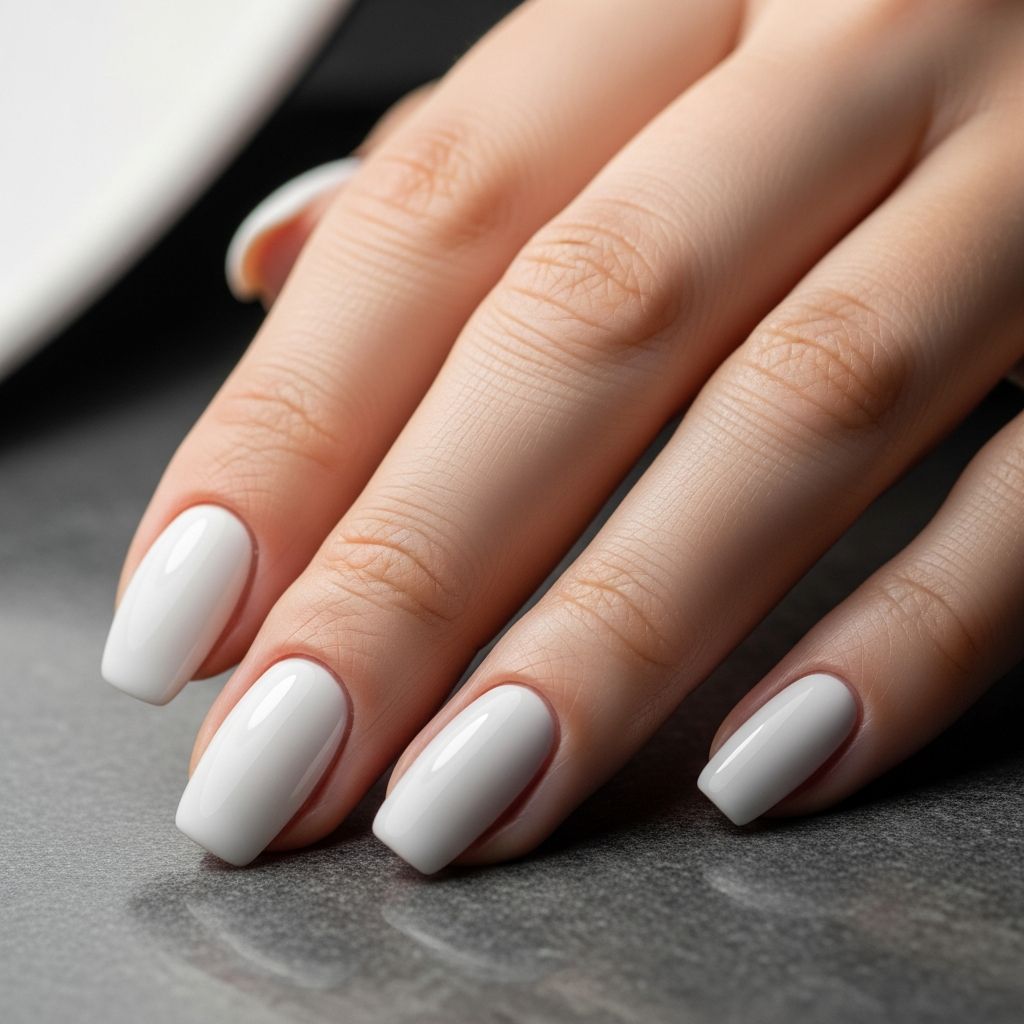
White nail is a descriptive term for nail discolouration presenting as white spots, streaks, lines or patches on one or more nails of the fingers or toes. The term leukonychia (or leuconychia) is derived from the Greek words leukos meaning white and onux meaning nail plate. Leukonychia may be true or apparent (also called pseudoleukonychia).
What is leukonychia?
Leukonychia refers to whitening of the nail plate, which can appear as isolated spots, longitudinal or transverse lines, or diffuse opacification affecting part or all of the nail. It arises due to abnormal keratinization in the nail matrix or superficial changes on the nail surface. True leukonychia involves parakeratotic cells in the nail plate, while apparent leukonychia results from nail bed abnormalities visible through the translucent nail.
These white marks are common and often benign, growing out with the nail over time. However, persistent or widespread leukonychia warrants evaluation to exclude underlying pathology.
Who gets leukonychia?
Leukonychia affects individuals of all ages, races, and genders. Punctate leukonychia from minor trauma is particularly common in children and active adults due to frequent nail injuries. Total leukonychia may be hereditary or acquired in older adults with comorbidities.
- Prevalence: Up to 50% of healthy individuals show minor punctate spots at some point.
- Risk factors: Nail biting, manicures, sports injuries, nutritional deficiencies, systemic illnesses.
What causes leukonychia?
Causes vary by type and extent. Most cases stem from local factors, but systemic diseases can manifest as nail changes.
True leukonychia
Involves nail plate abnormalities:
- Trauma: Most common cause of punctate leukonychia (small white spots). Minor injuries to the nail matrix from banging fingers, tight shoes, or manicures disrupt keratin production.
- Chemical exposure: Nail cosmetics, solvents, or allergens cause superficial white patches.
- Infections: White superficial onychomycosis (WSO) from Trichophyton mentagrophytes presents as white spots on nail surface, more common in toenails.
- Medications: Chemotherapy, sulfonamides, or retinoids.
Apparent leukonychia
Nail bed pathology:
- Oedema: Nail bed swelling compresses vasculature, creating white areas.
- Anaemia: Reduced subungual blood flow in severe cases.
Transverse leukonychia (Muehrcke lines)
Paired white bands parallel to lunula, due to hypoalbuminaemia (<25 g/L) in liver cirrhosis, malnutrition, chemotherapy. Lines move distally with nail growth and disappear when albumin normalizes.
Total leukonychia
- Congenital: Autosomal dominant; nails white from matrix.
- Acquired: Onychomycosis, psoriasis, alopecia areata, systemic diseases.
Half-and-half nails (Terry nails)
Proximal 80-90% white, distal 10-20% pink/brown. Associated with chronic kidney disease, cirrhosis, diabetes, heart failure. Histology shows vascular changes and oedema.
What are the clinical features of leukonychia?
| Type | Description | Common Causes |
|---|---|---|
| Punctate | Small white spots | Trauma, cosmetics |
| Longitudinal | White streaks from matrix to free edge | Matrix neoplasm, trauma |
| Transverse/Striate | Bands across nail | Hypoalbuminaemia |
| Total | Entire nail milky white | Hereditary, onychomycosis |
| Apparent/Pseudoleukonychia | White nail bed through plate | Oedema, anaemia |
Related Stories



Symptoms are usually asymptomatic. Nails may be brittle if fungal. Systemic signs depend on cause.
How is leukonychia diagnosed?
Clinical examination suffices for obvious trauma-related spots. Dermoscopy reveals parakeratosis in true leukonychia vs. nail bed changes in apparent.
- Investigations: Nail clipping KOH for fungus; blood tests (albumin, renal/liver function, minerals) if systemic suspected.
- Biopsy: Rarely for persistent solitary lesions to exclude neoplasm.
What is the treatment for leukonychia?
Addresses underlying cause; benign spots grow out (4-6 weeks fingers, 12-18 months toes).
- Trauma: Nail care: avoid trauma, moisturize, short nails.
- Fungal: Topical antifungals (amorolfine, ciclopirox); oral terbinafine for severe. Complete course essential.
- Allergy: Eliminate irritants.
- Systemic: Treat primary disease (e.g., nutrition, dialysis).
No quick fix; patience required as nails grow slowly.
What is the outlook for leukonychia?
Excellent for benign causes. Persistent/recurrent cases need monitoring for progression or new pathology. Fungal infections recur in 20-50% without prevention.
Frequently asked questions
Are white spots on nails serious?
Usually not; often from injury. Seek advice if widespread, persistent, or with symptoms.
Do white spots mean zinc deficiency?
Myth; no strong evidence links to zinc/calcium deficiency despite popular belief.
How long do white spots last?
Grow out with nail: 6 weeks fingers, up to 18 months toes.
Can manicures cause white nails?
Yes, trauma or chemicals from frequent manicures/acrylics.
Is white nail fungus contagious?
Yes, WSO spreads via shared tools, barefoot areas.
References
- White Spots on the Nails: Potential Causes and Treatment — Healthline. 2023-05-15. https://www.healthline.com/health/white-spots-on-nails
- 5 Causes of White Spots on Nails (With Images) — GoodRx. 2024-02-20. https://www.goodrx.com/health-topic/dermatology/white-spots-on-nails
- White Spots on Nails (Leukonychia) — Cleveland Clinic. 2023-11-10. https://my.clevelandclinic.org/health/symptoms/25243-white-spots-on-nails
- Leukonychia: What Can White Nails Tell Us? — PMC – NIH. 2022-02-01. https://pmc.ncbi.nlm.nih.gov/articles/PMC8809498/
- Nail fungus – Symptoms and causes — Mayo Clinic. 2024-08-23. https://www.mayoclinic.org/diseases-conditions/nail-fungus/symptoms-causes/syc-20353294
Similar Articles








Read full bio of medha deb