White Poop: Causes, Diagnosis, And When To Worry
Discover why your stool might be white, from bile duct blockages to medications, and learn when to seek urgent medical care.
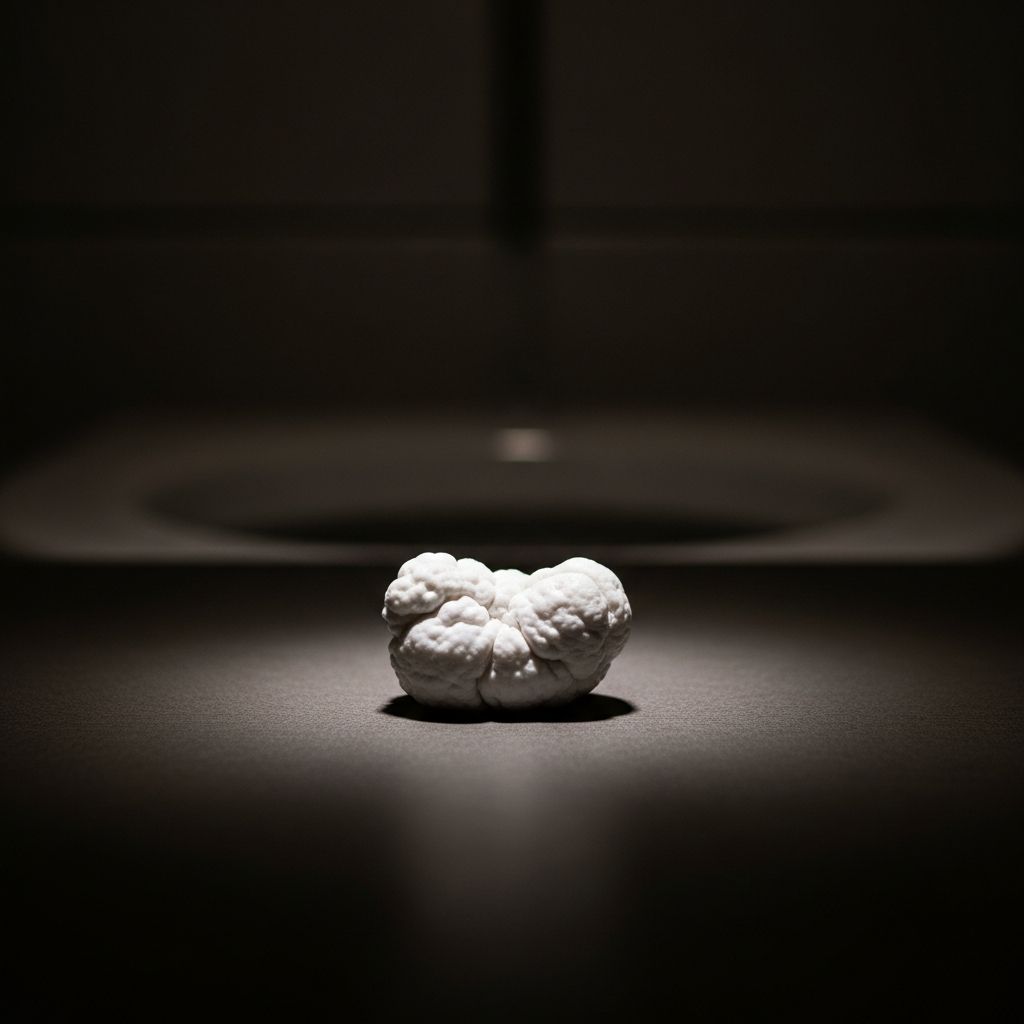
White or pale stool, often described as clay-colored or chalky, is not a normal bowel movement color and typically signals an underlying health issue related to the digestive system, particularly the liver, gallbladder, or bile ducts. Stool derives its usual brown hue from bile, a digestive fluid produced by the liver; when bile is absent or insufficient, stools appear white or light gray. This condition warrants prompt medical attention, as it may indicate blockages, infections, or chronic diseases.
What Causes White Poop?
The primary reason for
white poop
is a disruption in bile production, flow, or release into the intestines. Bile, stored in the gallbladder and released into the small intestine during digestion, contains pigments like bilirubin that color stool brown. Without it, stool loses pigmentation.Common causes include:
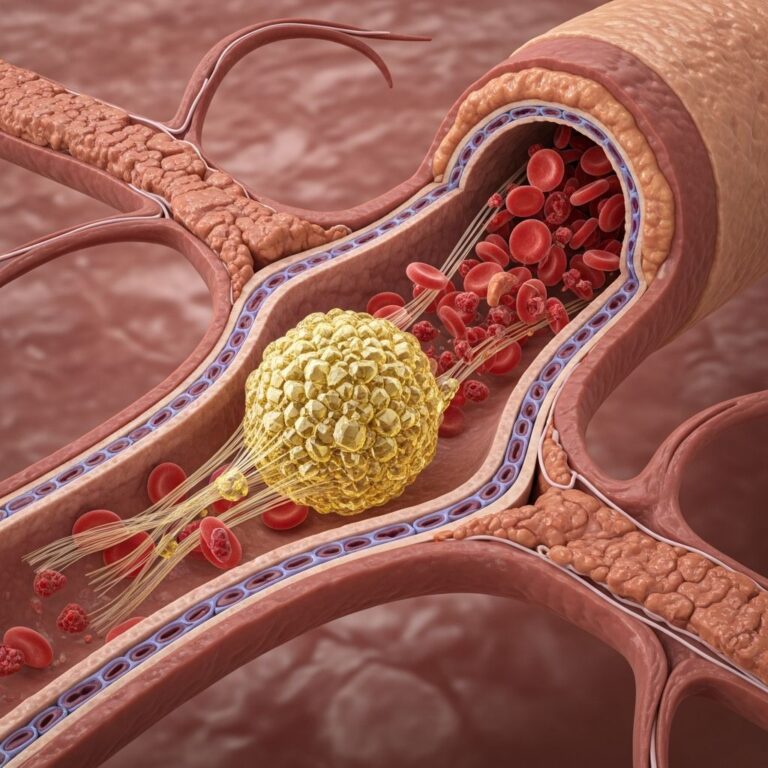
- Bile duct obstruction: Gallstones, tumors, or strictures can block the common bile duct, preventing bile from reaching the intestines. This is one of the most frequent culprits.
- Liver diseases: Conditions like hepatitis, cirrhosis, or primary biliary cholangitis impair bile production.
- Gallbladder issues: Removal of the gallbladder (cholecystectomy) or dysfunction can temporarily or chronically affect bile flow.
- Medications and contrast agents: Antacids containing aluminum hydroxide or barium sulfate used in X-rays can temporarily whiten stool.
- Infant-specific causes: Biliary atresia, a congenital narrowing of bile ducts in newborns, leads to white stools and requires early intervention.
- Other factors: Parasitic infections, pancreatic disorders, or severe malabsorption syndromes like celiac disease may contribute indirectly.
Symptoms Accompanying White Poop
White stool rarely occurs in isolation. Associated symptoms can help pinpoint the cause and urgency:
- Jaundice: Yellowing of the skin and eyes due to bilirubin buildup in the blood.
- Abdominal pain: Often in the upper right quadrant, especially with gallstones or blockages.
- Fever and chills: Indicating infection, such as cholangitis (bile duct inflammation).
- Itching (pruritus): From bile salt accumulation in the skin.
- Dark urine: Excess bilirubin excreted via kidneys.
- Nausea, vomiting, or fatigue: Common in liver involvement.
In infants, white stools with poor weight gain or irritability signal biliary atresia, needing evaluation within weeks of birth.
Is White Poop Serious?
Yes,
white poop
is typically a red flag requiring immediate medical evaluation. Unlike transient changes from diet (e.g., green stool from rapid transit), pale stools persist and stem from bile deficiency, potentially leading to complications like liver damage or malnutrition if untreated. While medications may cause temporary discoloration, rule out obstruction first—delays can worsen outcomes, especially in blockages or pediatric cases.How Is White Poop Diagnosed?
Diagnosis begins with a thorough history and physical exam, focusing on stool color duration, diet, medications, and symptoms. Key tests include:
| Test | Purpose |
|---|---|
| Blood tests (liver function: ALT, AST, bilirubin, alkaline phosphatase) | Assess liver health and bile flow obstruction. |
| Abdominal ultrasound | Detect gallstones, duct dilation, or tumors. |
| CT or MRCP (magnetic resonance cholangiopancreatography) | Detailed imaging of bile ducts. |
| ERCP (endoscopic retrograde cholangiopancreatography) | Visualize and potentially treat blockages. |
| Stool analysis | Confirm fat malabsorption (steatorrhea). |
Related Stories



For infants, hepatobiliary scintigraphy or liver biopsy may confirm biliary atresia.
Treatments for White Poop
Treatment targets the underlying cause:
- For blockages: ERCP with stone removal or stent placement; surgery for tumors.
- Liver diseases: Antivirals for hepatitis, immunosuppressants for autoimmune cholangitis, or transplant for end-stage cirrhosis.
- Medications: Ursodeoxycholic acid to improve bile flow; discontinue offending drugs.
- Infants: Kasai procedure (portoenterostomy) for biliary atresia, often followed by transplant.
- Supportive care: Fat-soluble vitamin supplements (A, D, E, K) for malabsorption; low-fat diet.
Prognosis varies: Gallstone removal often resolves issues quickly, while chronic liver disease requires lifelong management.
When to See a Doctor for White Poop
Seek
urgent care
if white stool lasts more than 1-2 days, especially with jaundice, pain, fever, or in infants. Persistent pale stools signal serious pathology—contact a gastroenterologist or primary provider promptly. Emergency if accompanied by severe pain, confusion, or bleeding.Prevention and Lifestyle Tips
While not all causes are preventable, maintain liver health by:
- Limiting alcohol.
- Eating a balanced diet rich in fiber and low in processed fats.
- Staying hydrated and exercising regularly.
- Getting vaccinated against hepatitis A/B.
- Monitoring cholesterol to prevent gallstones.
Track bowel changes using the Bristol Stool Scale; Type 4 (smooth sausage-like) is ideal.
Frequently Asked Questions (FAQs)
What does white poop mean?
White poop usually indicates a lack of bile due to liver problems, bile duct blockages, or medications. See a doctor immediately.
Can diet cause white stool?
Rarely; unlike colored foods affecting other hues, white stool is almost always pathological, not dietary.
How long can white poop last before worrying?
If persistent beyond 24-48 hours or with symptoms, seek care right away.
Is white poop common in babies?
In breastfed infants, it can be normal initially, but prolonged white stools suggest biliary atresia—consult a pediatrician.
Can antacids cause white stool?
Yes, aluminum hydroxide antacids can temporarily whiten stool; stop use and monitor.
References
- White stool: Should I be concerned? — Mayo Clinic. 2023-10-15. https://www.mayoclinic.org/diseases-conditions/liver-problems/expert-answers/white-stool/faq-20058216
- What the Color and Consistency of Your Poop Says About Your Health — UnityPoint Health. 2024-05-20. https://www.unitypoint.org/news-and-articles/what-the-color-and-consistency-of-your-poop-says-about-you
- Here’s the Scoop on Poop: 5 Things to Know — Banner Health. 2024-08-12. https://www.bannerhealth.com/healthcareblog/better-me/healthy-bowel-movements
Similar Articles








Read full bio of medha deb