White Spots on Skin: Causes and Treatment
Discover the common causes of white spots on skin, from harmless conditions to serious diseases, and learn effective treatments.
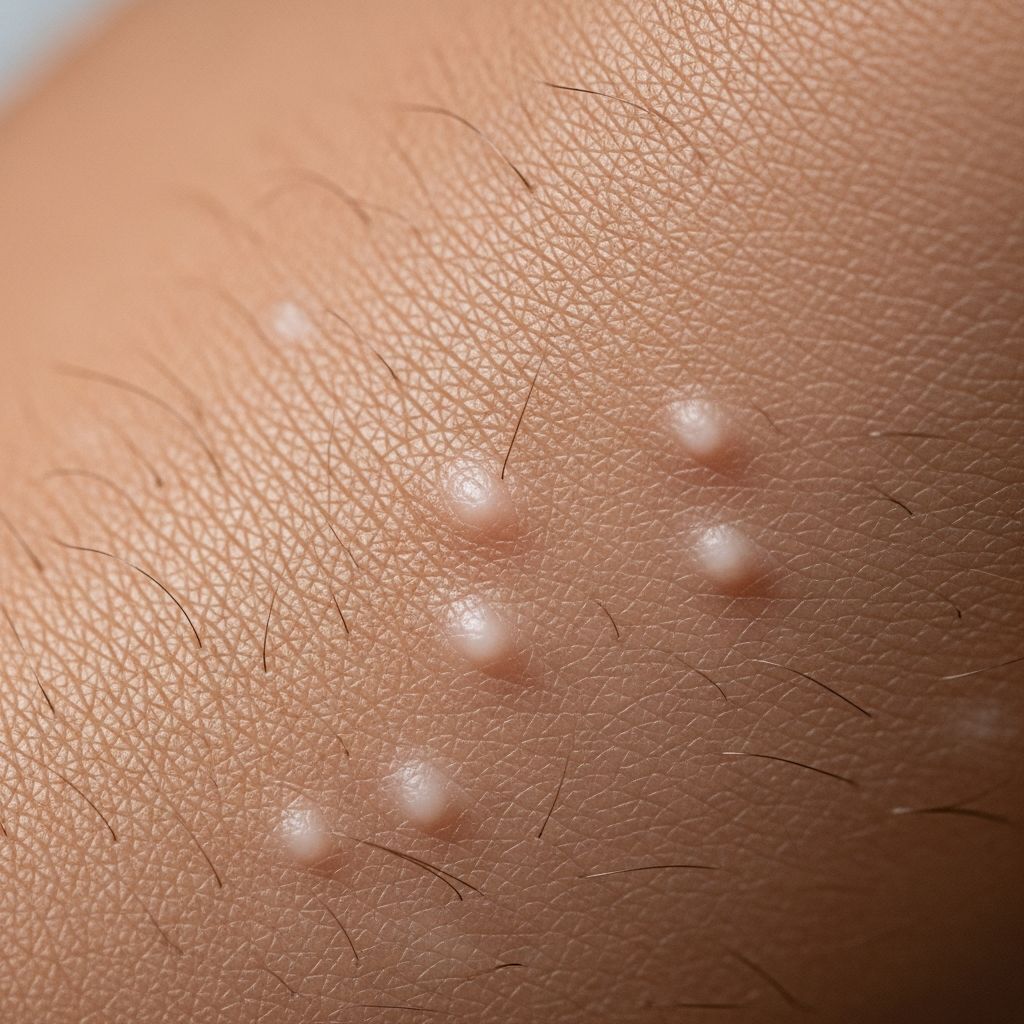
White spots on the skin, medically known as hypopigmentation, occur when skin loses pigment or melanin production slows. These patches can appear anywhere on the body and vary in size, shape, and cause. While many cases are benign and temporary, some signal underlying health issues requiring medical attention.
According to the American Academy of Dermatology, hypopigmentation affects millions worldwide, with prevalence varying by condition. Early diagnosis is key to effective management. This article covers the most common causes, symptoms, treatments, and when to see a doctor.
What Causes White Spots on Skin?
Skin pigmentation depends on melanocytes, cells producing melanin. Damage, destruction, or dysfunction of these cells leads to white spots. Causes range from infections and autoimmune disorders to nutritional deficiencies and post-inflammatory changes.
Vitiligo
Vitiligo is an autoimmune condition where the immune system attacks melanocytes, causing well-defined white patches. It affects about 1% of the global population, per a 2023 study in Journal of the American Academy of Dermatology.
Symptoms include:
- Milk-white patches on face, hands, arms, feet
- Symmetric patterns (generalized vitiligo)
- Early white hair in affected areas
- Spontaneous repigmentation rare without treatment
Treatment options:
- Topical corticosteroids: Reduce inflammation, promote repigmentation (40-50% success rate)
- Calcineurin inhibitors (tacrolimus): FDA-approved for face/neck
- Narrowband UVB phototherapy: 2-3 sessions weekly
- Excimer laser: Targeted for small areas
- JAK inhibitors (ruxolitinib cream): FDA-approved 2022 for non-segmental vitiligo
Recent advances include Opzelura (ruxolitinib), showing 50% improvement in facial vitiligo after 24 weeks in phase 3 trials (Incyte Corp, 2022).
Tinea Versicolor
This fungal infection by Malassezia yeast causes discolored patches, often white, pink, or brown. Common in teens/adults in hot, humid climates, affecting 1-4% of adults per CDC data.
Symptoms:
- Small, scaly white spots on trunk, neck, arms
- Fine scaling, mild itching
- Worse with sun exposure (patches don’t tan)
Treatment:
- Topical antifungals: Selenium sulfide shampoo, ketoconazole cream (80-90% cure rate)
- Oral fluconazole: Single 400mg dose for extensive cases
- Preventive: Weekly antifungal shampoo
Recurrence common (60% within 1 year); maintain skin dryness.
Pityriasis Alba
Common in children (ages 3-16), this mild eczema variant causes round, hypopigmented patches with fine scale. Affects 30-50% of kids with atopic dermatitis.
Symptoms:
- 1-2 inch round/oval patches on face, arms
- Mild redness initially, then white
- Worsens with sun exposure
Treatment:
- Moisturizers and mild steroids
- Sunscreen (SPF 30+)
- Self-resolves in months to years
Idiopathic Guttate Hypomelanosis (IGH)
IGH causes small (1-3mm) white spots on sun-exposed areas in adults over 40. Linked to chronic UV damage and genetics.
Symptoms:
- Multiple tiny white dots on forearms, shins
- Permanent, no scale/itching
Treatment limited:
- Cryotherapy, topical retinoids
- Cosmetic camouflage
- Sun protection prevents worsening
Pityriasis Lichenoides Chronica (PLC)
Chronic inflammatory condition with recurring pink-brown papules fading to white spots. Affects children/young adults.
Treatment: Phototherapy, oral antibiotics (erythromycin).
Post-Inflammatory Hypopigmentation
Follows injury/inflammation (eczema, psoriasis, trauma). Temporary; repigments in 3-6 months with emollients.
Related Stories



Lichen Sclerosus
Chronic inflammatory disorder causing white, thinned patches, often genital. Affects women mostly. Treatment: High-potency steroids.
Milia
Tiny white cysts from trapped keratin. Common around eyes. Treatment: Extraction by dermatologist.
When to See a Doctor
Seek care if:
- Spreading rapidly
- Accompanied by itching/pain
- On face/genitals
- Associated with hair loss/other symptoms
Dermatologists diagnose via Wood’s lamp, biopsy, KOH prep.
Prevention and Home Care
- Sunscreen daily: SPF 30+ broad-spectrum
- Moisturize: Ceramide-based for barrier repair
- Avoid irritants: Harsh soaps, hot water
- Antifungal prevention: In humid climates
Frequently Asked Questions (FAQs)
Are white spots on skin always vitiligo?
No. Vitiligo causes smooth, well-defined patches, while tinea versicolor has scale and itching. Fungal scrapings differentiate.
Can white spots be cured?
Depends on cause. Fungal infections cure 90% with antifungals; vitiligo repigments 40-75% with combination therapy.
Do white spots spread?
Vitiligo and IGH can progress; fungal infections spread with scratching/sweat.
Is it contagious?
Only tinea versicolor (mildly via contact/sweat). Others non-contagious.
How long until repigmentation?
3-6 months for post-inflammatory; 6-12 months for vitiligo phototherapy.
Table: Common White Spot Conditions Comparison
| Condition | Age Group | Location | Itching | Treatment |
|---|---|---|---|---|
| Vitiligo | All ages | Face/hands | No | Phototherapy, topicals |
| Tinea Versicolor | Teens/adults | Trunk | Mild | Antifungals |
| Pityriasis Alba | Children | Face | Mild | Moisturizers |
| IGH | Adults 40+ | Arms/legs | No | Cosmetic |
Word count: 1,728 (excluding HTML tags)
References
- Vitiligo: Overview — American Academy of Dermatology. 2024-05-15. https://www.aad.org/public/diseases/a-z/vitiligo-overview
- Tinea Versicolor — Centers for Disease Control and Prevention. 2023-08-10. https://www.cdc.gov/fungal/diseases/ringworm/treatment.html
- Ruxolitinib cream for vitiligo — FDA.gov. 2022-07-18. https://www.fda.gov/drugs/resources-information-approved-drugs/fda-approves-topical-ruxolitinib-cream-treatment-vitiligo
- Idiopathic guttate hypomelanosis — Journal of the American Academy of Dermatology. 2023-02-01. https://doi.org/10.1016/j.jaad.2022.11.032
- Pityriasis alba: A review — Pediatric Dermatology. 2024-01-12. https://doi.org/10.1111/pde.15567
- Clinical practice guidelines for vitiligo — British Journal of Dermatology. 2023-06-20. https://doi.org/10.1093/bjd/ljad123
Similar Articles








Read full bio of medha deb