White Tongue: Causes, Treatments & Prevention
Understand white tongue causes, effective treatments, and prevention strategies for oral health.
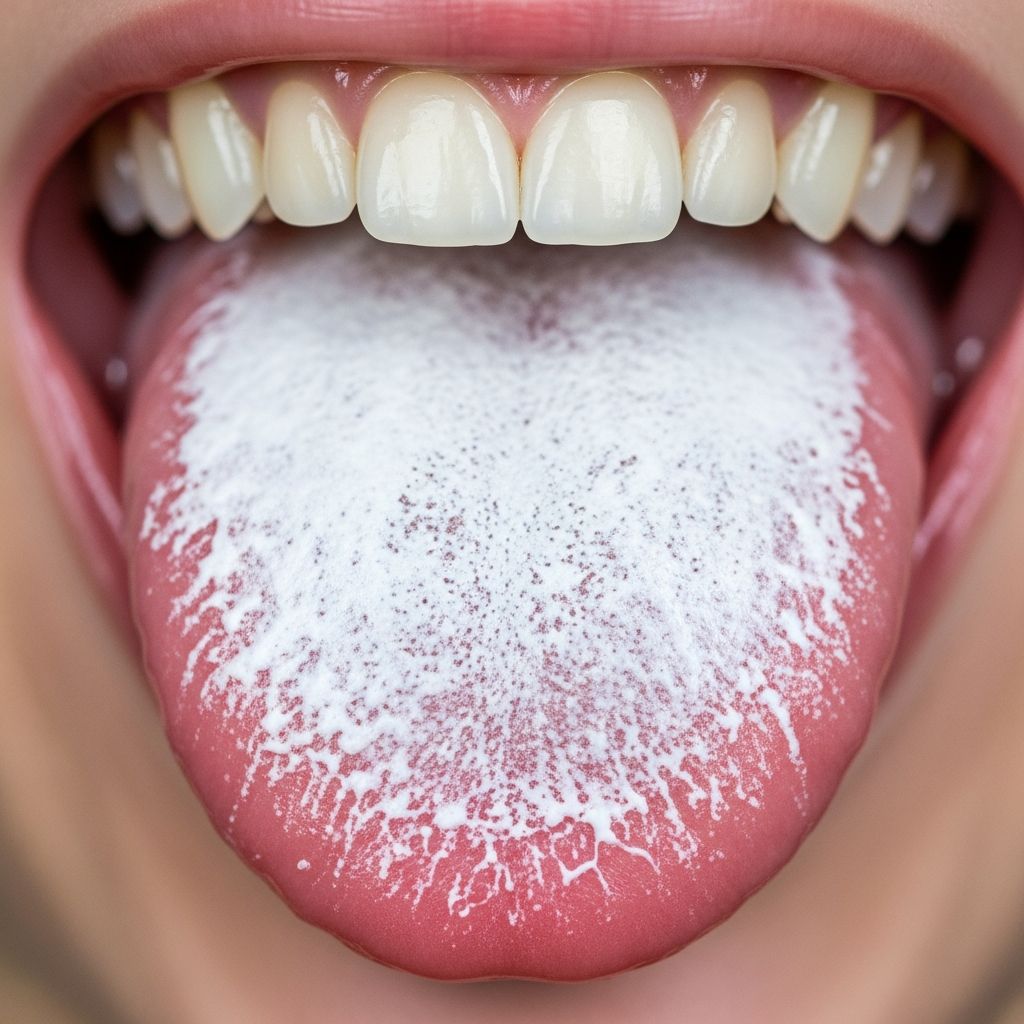
Understanding White Tongue: Causes, Treatments, and Prevention
White tongue is a symptom characterized by a white coating that develops on part or all of your tongue’s top surface. While it may look unappealing and concerning, white tongue is usually harmless and temporary, often resolving within a few weeks without intervention. However, if the condition persists beyond a few weeks or is accompanied by pain, difficulty eating, or trouble speaking, it’s important to seek medical evaluation from a healthcare provider.
The white coating on your tongue typically develops when bacteria and food particles become trapped between the tiny bumps on your tongue’s surface, known as papillae. These raised structures create a large surface area where debris can accumulate inside your mouth. When this buildup occurs, the papillae may swell and become inflamed, resulting in the characteristic white appearance.
What Causes White Tongue?
White tongue can result from various conditions and factors affecting your oral health. Understanding the underlying causes is essential for determining the appropriate treatment approach.
Oral Thrush (Candida Infection)
One of the most common causes of white tongue is oral thrush, a fungal infection caused by Candida overgrowth in the mouth. Thrush typically presents as creamy white, slightly raised lesions on your tongue or inner cheeks, though lesions may also appear on the roof of your mouth, gums, tonsils, or back of your throat. While thrush can affect anyone, certain individuals face higher risk, including those with weakened immune systems, elderly individuals, and those taking antibiotics or steroid medications.
Oral Lichen Planus
Oral lichen planus is an inflammatory condition affecting the mouth’s tissues, which can result in white patches or a white film on your tongue. This condition often causes associated symptoms such as burning or sore gums that may require professional treatment.
Leukoplakia
Leukoplakia creates white patches on your tongue, gums, or inside your cheeks that typically don’t hurt but also don’t go away on their own. Unlike some other causes of white tongue, leukoplakia patches carry a potential risk of developing into oral cancer if left untreated, making professional evaluation necessary.
Geographic Tongue
Geographic tongue is a benign condition characterized by irregular, map-like patches on your tongue’s surface. While these patches may appear white or discolored, they pose no risk of becoming cancerous. Treatment primarily focuses on managing uncomfortable symptoms by avoiding triggering foods and drinks.
Syphilis
Although rare, syphilis is a sexually transmitted infection that can cause white tongue as one of its oral manifestations. If diagnosed, syphilis requires specific antibiotic treatment with penicillin to eliminate the bacteria.
Poor Oral Hygiene
Inadequate oral hygiene practices can lead to white tongue as bacteria and fungi accumulate on your tongue’s surface. Failing to brush teeth properly, neglecting flossing, and not cleaning your tongue contribute to this buildup.
Other Contributing Factors
Additional causes of white tongue include transient lingual papillitis (lie bumps), which create small painful bumps on the tongue, and white coating that may develop following tongue piercings as part of the normal healing process.
Related Stories



Associated Symptoms and Complications
Beyond the visible white coating, white tongue may be accompanied by several other symptoms that affect your quality of life:
– Bad breath (halitosis)- Hairy or abnormally textured tongue- Oral irritation or discomfort- Difficulty eating or speaking- Altered taste sensation- Burning sensation in the mouth
Without proper treatment, the bacteria and debris coating your tongue can progress to more serious complications. The infection may spread to your gums, leading to gum disease, and in some cases, may spread to other parts of your body. Additionally, white patches associated with conditions like leukoplakia can eventually progress to oral cancer if not managed appropriately.
Treatment Options for White Tongue
Treatment approaches for white tongue vary based on the underlying cause and severity of symptoms. Most cases resolve naturally within a few weeks, but treatment may accelerate recovery or address specific concerns.
Antifungal Treatments
For fungal infections like oral thrush, healthcare providers typically prescribe antifungal medications such as fluconazole (Diflucan®) or nystatin (Nystop®). Antifungal rinses are commonly recommended, requiring a 10 to 14-day swishing regimen to help your body regain its natural yeast balance. With proper treatment, thrush usually resolves within one to two weeks.
Antibiotic Therapy
If syphilis is determined to be the cause of white tongue, antibiotic treatment with penicillin is necessary to eliminate the bacterial infection.
Corticosteroid Treatments
For oral lichen planus and other inflammatory conditions, healthcare providers may prescribe steroidal mouthwashes (steroid pills dissolved in water) and steroid sprays to reduce symptoms such as burning or sore gums. Topical corticosteroids are also used to manage symptomatic cases of benign migratory glossitis.
Surgical Intervention
When there is a risk that white patches could become cancerous, as with leukoplakia, your healthcare provider may recommend removal. They may use a scalpel, laser, or occasionally cryotherapy (freezing with liquid nitrogen) to remove the potentially problematic tissue. This preventive approach helps ensure that tongue cells don’t develop into cancer.
Home Remedies and Self-Care
Several home remedies can help manage white tongue symptoms and promote healing:
– Practice thorough oral hygiene with regular brushing, flossing, and tongue scraping for three to four weeks- Use salt-water rinses to soothe and cleanse your mouth, leveraging salt’s natural antiseptic properties- Consume turmeric with milk and black pepper, which offers anti-inflammatory benefits- Apply apple cider vinegar rinses, as studies suggest antifungal properties may help treat oral thrush- Take over-the-counter pain relievers if white tongue is painful or uncomfortable- Increase water intake to prevent dehydration and support overall oral health
When to Seek Medical Attention
While white tongue is often harmless and temporary, certain situations warrant professional evaluation:
– White tongue persists beyond two to three weeks without improvement- You experience pain, burning, or itching in your mouth- Difficulty eating or speaking develops- You have a weakened immune system or HIV diagnosis- White patches appear to be spreading or changing appearance- Symptoms accompanied by other systemic health concerns- You’re unable to determine the underlying cause
Your healthcare provider or dentist can examine your tongue, determine the underlying cause, and develop a personalized treatment plan.
Prevention Strategies
While you cannot always prevent white tongue, especially when it results from underlying health conditions, you can significantly reduce your risk through proactive oral care measures:
Daily Oral Hygiene Practices
– Brush your teeth at least twice daily with fluoride toothpaste- Floss daily to remove food debris between teeth and below the gumline- Clean your tongue regularly using a tongue scraper or soft-bristled toothbrush- Use antimicrobial or antifungal mouthwash as recommended by your dentist
Professional Dental Care
– Schedule dental checkups every six months for early detection of oral problems- Discuss any persistent oral symptoms with your dentist or healthcare provider- Follow your provider’s recommendations for follow-up visits if you’ve had serious white tongue symptoms
Dietary and Lifestyle Modifications
– Eat a balanced diet with plenty of fresh fruits and vegetables rich in vitamins and minerals- Maintain adequate hydration to prevent dry mouth- Limit or eliminate tobacco and alcohol use, as these increase risk for serious conditions- Avoid foods and beverages that irritate your mouth if you have sensitivity
Additional Preventive Measures
– Replace your toothbrush every three to four months or when bristles fray- Maintain proper denture hygiene if you wear dentures- Manage underlying health conditions that increase oral thrush risk- Take antibiotics only as prescribed and complete the full course
When White Tongue Is Temporary vs. Concerning
Understanding whether your white tongue is a minor, temporary issue or a sign of something more serious helps determine your next steps. In many cases, white tongue is the only symptom you notice, and it’s generally safe to wait a few weeks to see if it resolves naturally. However, the situation becomes more serious if the white coating accompanies pain, difficulty eating or speaking, or if it persists beyond a few weeks.
If your white tongue doesn’t return to normal color after several weeks, or if you develop any concerning symptoms, make an appointment with your provider or dentist. This is particularly important if you have a compromised immune system or HIV, as these conditions increase susceptibility to fungal infections.
Understanding Tongue Discoloration
White tongue is one of several types of tongue discoloration that can affect your oral health. Other tongue discolorations include yellow tongue, black hairy tongue, or pale tongue appearance. Regardless of the specific discoloration, the underlying principle remains consistent: you’ll need to address the underlying condition causing it. Whether it’s improving oral hygiene, adjusting medications, or receiving antifungal treatment, identifying and treating the root cause is essential for resolution.
Frequently Asked Questions About White Tongue
Q: Is white tongue a sign of oral cancer?
A: While white tongue is usually harmless, in rare cases it can be associated with oral cancer, particularly if it involves leukoplakia patches that don’t resolve. However, most cases of white tongue result from benign causes like thrush or poor oral hygiene. If you’re concerned, have your healthcare provider evaluate any persistent white patches.
Q: How long does white tongue typically last?
A: Most cases of white tongue resolve naturally within two to three weeks without treatment. With appropriate treatment for fungal infections, oral thrush typically clears within one to two weeks. If white tongue persists beyond this timeframe, medical evaluation is warranted.
Q: Can white tongue spread to other people?
A: This depends on the cause. Oral thrush, caused by Candida fungus, can potentially spread through oral contact, though transmission is not guaranteed. Other causes like leukoplakia or lichen planus are not contagious. Your healthcare provider can advise based on your specific diagnosis.
Q: What should I do if white tongue appears after a tongue piercing?
A: A white coating following tongue piercing is normal bacterial growth as part of the healing process. You may also notice a white ring of tissue around both sides of the piercing, which is how your tongue normally heals from the wound. You can reduce this with antifungal mouthwash like nystatin if desired, but it typically resolves on its own.
Q: Are there any serious complications from untreated white tongue?
A: Without treatment, bacteria and debris on your tongue can eventually lead to gum disease, with infection potentially spreading to other body parts. More critically, white patches from conditions like leukoplakia can progress to oral cancer if not managed appropriately. This is why professional evaluation of persistent symptoms is important.
Q: Can antibiotics cause white tongue?
A: Yes, antibiotics can disrupt the natural balance of oral bacteria and fungi, potentially leading to oral thrush (white tongue) as a side effect. If you develop white tongue after starting antibiotics, inform your healthcare provider, as they may need to adjust your treatment or prescribe antifungal medication.
Q: Is it safe to wait and see if white tongue goes away on its own?
A: If white tongue is your only symptom and you feel otherwise well, waiting a few weeks to see if it resolves naturally is generally safe. However, seek professional care if the condition persists beyond two to three weeks, causes pain, or affects eating and speaking abilities.
References
- White Tongue: Causes, Treatments & Prevention — Cleveland Clinic. 2023-04-19. https://my.clevelandclinic.org/health/symptoms/17654-white-tongue
- What’s a Normal Tongue Color? — Cleveland Clinic. https://my.clevelandclinic.org/health/symptoms/24600-tongue-color
- Tongue Problems: Types, Symptoms & Treatment — Cleveland Clinic. https://my.clevelandclinic.org/health/diseases/24735-tongue-problems
- Thrush: Symptoms, Causes & Treatment — Cleveland Clinic. https://my.clevelandclinic.org/health/diseases/10956-thrush
- How To Get Rid of Thrush: 8 Remedies — Cleveland Clinic Health. https://health.clevelandclinic.org/thrush-the-white-stuff-growing-in-your-mouth-and-how-to-get-rid-of-it
- Leukoplakia: Causes, Symptoms & Treatment — Cleveland Clinic. https://my.clevelandclinic.org/health/diseases/17655-leukoplakia
- Transient Lingual Papillitis (Lie Bumps): Causes & Treatment — Cleveland Clinic. 2023-11-06. https://my.clevelandclinic.org/health/diseases/transient-lingual-papillitis-lie-bumps
Similar Articles








Read full bio of medha deb