White Whole-Wheat Flour: Tasty and Nutritious
Discover the nutritional power of white whole-wheat flour, blending whole grain benefits with a mild taste and lighter color for everyday baking.
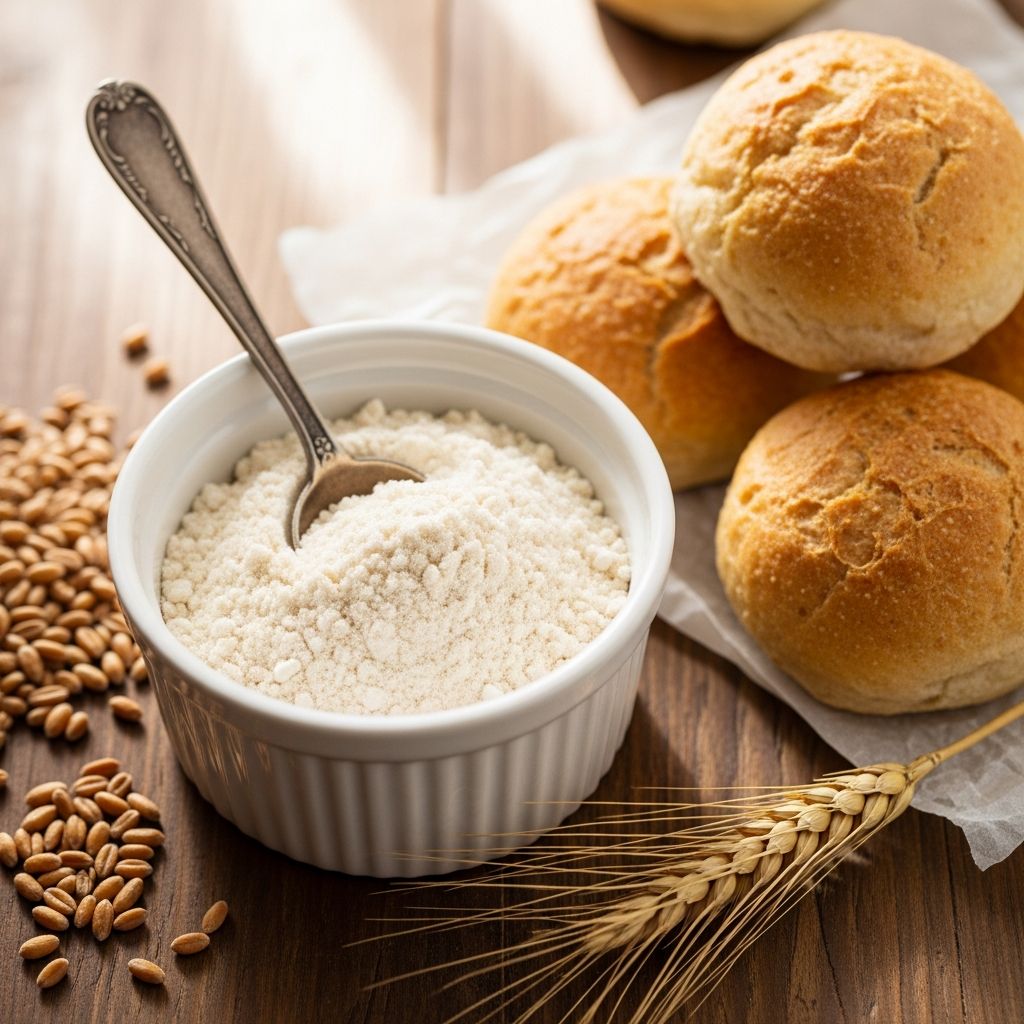
White whole-wheat flour represents an innovative twist on traditional whole grains, delivering the complete nutritional profile of whole wheat in a lighter, milder form that’s easier to incorporate into everyday meals. Unlike refined white flour, which loses vital nutrients during processing, white whole-wheat flour retains the bran, germ, and endosperm, providing dietary fiber, iron, vitamins, and antioxidants essential for health. This flour, milled from white wheat varieties naturally low in certain pigments, offers a subtle flavor and softer texture, making it appealing for those hesitant about the hearty taste of standard whole wheat.
What Is White Whole-Wheat Flour?
White whole-wheat flour is made from white wheat kernels, a genetic variant of wheat with lower levels of phenolic compounds that give red wheat its darker color and stronger flavor. The milling process preserves 100% of the grain—the bran for fiber, the germ for healthy fats and vitamins, and the endosperm for carbohydrates and protein—qualifying it as a true whole grain. According to nutrition experts, this flour matches the nutrient density of red whole wheat but with a pale appearance and bakery-friendly qualities.
Key distinctions from other flours:
- Refined white flour: Stripped of bran and germ, low in fiber and nutrients.
- Traditional whole-wheat flour: From red wheat; nuttier taste, coarser texture.
- White whole-wheat: Whole grain nutrition with white flour’s versatility.
The Dietary Guidelines for Americans recommend making at least half of grain intake whole grains, and white whole-wheat flour helps meet this without altering recipes drastically.
Nutritional Benefits of White Whole-Wheat Flour
White whole-wheat flour packs a nutrient punch comparable to other whole grains. A 3.5-ounce (100g) serving of whole wheat flour provides substantial vitamins, minerals, protein, and fiber. It supports overall health by regulating enzyme systems, building bones, aiding muscle function, and maintaining pH balance.
Fiber Content
High fiber—around 10.6 grams per 3.5 ounces—promotes digestive health, blood sugar control, cholesterol reduction, and satiety for weight management. Whole grains like this lower risks of colorectal cancer and improve bowel regularity. The bran layer delivers both soluble and insoluble fiber, fostering gut health and fullness.
Vitamins and Minerals
Rich in B vitamins (thiamin, niacin, folate), magnesium (136mg), phosphorus (352mg), potassium (376mg), iron, zinc, and manganese. These support energy production, immune function, and anemia prevention. Whole grains provide up to 69% RDI manganese, 15% phosphorus, and more per serving.
| Nutrient (per 100g) | Amount | % Daily Value (approx.) |
|---|---|---|
| Protein | 15g | 30% |
| Dietary Fiber | 10.6g | 38% |
| Magnesium | 136mg | 32% |
| Phosphorus | 352mg | 28% |
| Thiamin | 0.5mg | 42% |
| Niacin | 5.5mg | 34% |
Data adapted from whole wheat flour profiles; white whole-wheat is nutritionally equivalent.
Antioxidants and Plant Compounds
Contains phenolic acids, ferulic acid, flavonoids, lutein, and zeaxanthin, combating cell damage and chronic disease. These phytochemicals link to reduced inflammation and better insulin sensitivity.
Health Advantages Backed by Research
Regular whole grain consumption, including white whole-wheat, correlates with lower obesity, type 2 diabetes, cardiovascular disease, and cancer risks. Fiber and magnesium improve insulin sensitivity and blood sugar. Studies show high-fiber whole grains lower bad cholesterol, blood pressure, and stroke risk.
- Heart health: Lowers LDL cholesterol, raises HDL.
- Diabetes prevention: Stabilizes blood sugar.
- Weight control: Promotes fullness.
- Digestion: Reduces constipation and cancer risk.
Related Stories



Experts recommend 3+ ounce-equivalents daily for chronic disease reduction.
Why Choose White Whole-Wheat Over Traditional Whole Wheat?
White wheat’s lower tannin and phenolic content yields a sweeter, milder profile—ideal for breads, cookies, and pancakes. It’s lower in fat/calories, higher in antioxidants relative to red wheat in some aspects, and easier to digest for flavor-sensitive eaters. Familiarization studies show improved acceptability with exposure.
Macronutrient edge: Slightly lower protein than red (10-12%) but ample carbs for energy; superior B-vitamins and minerals in whole form.
Baking and Cooking with White Whole-Wheat Flour
Substitute 1:1 for all-purpose or whole-wheat flour. It rises better than traditional whole wheat due to finer bran.
- Breads: Softer loaves with whole grain goodness.
- Pastries: Tender muffins, cookies without bitterness.
- Pasta: Nutritious noodles.
- Thickening: Gravies, sauces.
Hydrate dough slightly more as it absorbs well. Store airtight to preserve oils.
Simple Recipes to Try
White Whole-Wheat Pancakes
Ingredients (serves 4): 1 cup white whole-wheat flour, 1 tbsp sugar, 2 tsp baking powder, 1/8 tsp salt, 1 cup milk, 1 egg, 2 tbsp oil.
- Mix dry ingredients.
- Combine wet; stir into dry until just moist.
- Cook on griddle 2-3 min per side.
Nutritious breakfast with fiber boost.
Whole Grain Banana Bread
Use 2 cups white whole-wheat flour in your favorite recipe for moist, mild results packed with potassium and fiber.
Frequently Asked Questions (FAQs)
Is white whole-wheat flour a true whole grain?
Yes, it contains the entire kernel—bran, germ, endosperm—like all whole grains.
Does it taste different from regular whole wheat?
Milder and sweeter, lacking the bitterness of red wheat.
Can I replace all flour with it in recipes?
Yes, 1:1 substitution works well; excellent for beginners to whole grains.
Is it healthier than white flour?
Far superior—retains fiber, vitamins, minerals absent in refined flour.
How much should I eat daily?
Aim for half grains as whole: 3+ servings (48g each) for adults.
Tips for Incorporating More Whole Grains
- Start with blends: 50/50 white whole-wheat and all-purpose.
- Choose certified whole grain products.
- Experiment in favorites: pizza dough, waffles.
- Pair with veggies, proteins for balanced meals.
Transition gradually to maximize benefits and palatability.
References
- Health Benefits of Wheat — WebMD. 2023-10-15. https://www.webmd.com/diet/health-benefits-of-wheat
- 9 Health Benefits of Eating Whole Grains — Healthline. 2024-05-20. https://www.healthline.com/nutrition/9-benefits-of-whole-grains
- Red vs White Wheat: Which is Healthier? — NutriMill. 2023-08-12. https://nutrimill.com/blogs/life-in-healthy-balance/red-vs-white-wheat-which-is-healthier
- White whole wheat bread – Is it really a whole grain? — Michigan State University Extension (.edu). 2022-11-05. https://www.canr.msu.edu/news/white_whole_wheat_bread_is_it_really_a_whole_grain
- Familiarization with White Whole Wheat Improves Acceptability — PMC (NCBI, .gov). 2024-06-10. https://pmc.ncbi.nlm.nih.gov/articles/PMC12177829/
- Whole grains: Hearty options for a healthy diet — Mayo Clinic. 2025-01-15. https://www.mayoclinic.org/healthy-lifestyle/nutrition-and-healthy-eating/in-depth/whole-grains/art-20047826
- White Whole-Wheat Flour: Tasty and Nutritious — Academy of Nutrition and Dietetics. 2024-03-22. https://www.eatright.org/food/food-groups/grains/white-whole-wheat-flour-tasty-and-nutritious
Similar Articles








Read full bio of Sneha Tete