Whiteheads: Causes, Treatments & Prevention Guide
Complete guide to understanding whiteheads, their causes, effective treatments, and proven prevention strategies.
Understanding Whiteheads: A Complete Guide
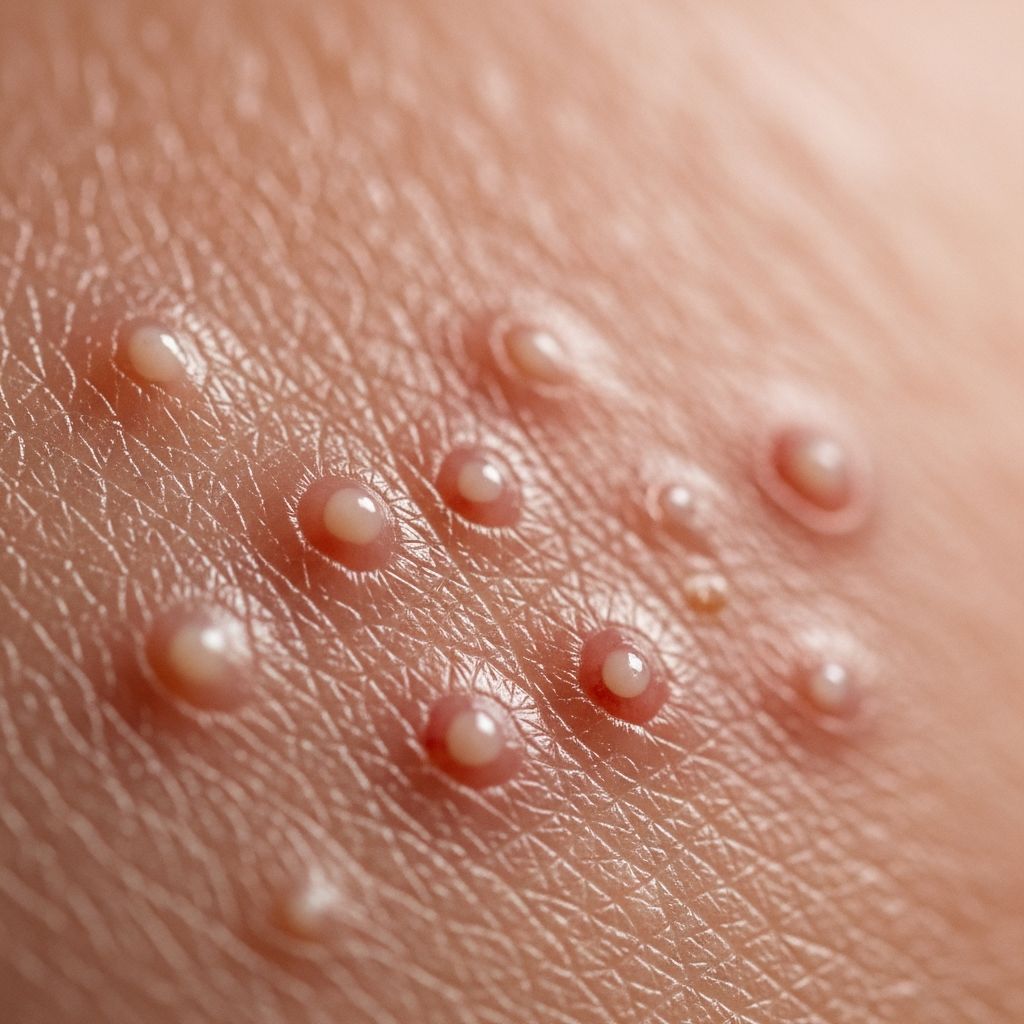
Whiteheads are a type of acne known scientifically as acne vulgaris, and they represent one of the most common skin conditions affecting people of all ages. These small, raised bumps form when oil and dead skin cells close off hair follicles or sebaceous glands, creating what dermatologists call a closed comedone. Unlike their counterpart, blackheads, whiteheads have a sealed surface that prevents air from reaching the trapped sebum and dead skin cells inside, giving them their characteristic white or yellowish appearance. While whiteheads are most commonly associated with adolescence, they can develop at any stage of life and affect anyone regardless of age or skin type.
What Are Whiteheads?
Whiteheads are small, closed bumps that appear on the skin’s surface, typically measuring just a few millimeters in diameter. These blemishes look like tiny white or yellowish dots and are raised slightly above the surrounding skin. The key characteristic that distinguishes whiteheads from other forms of acne is that they are closed comedones, meaning the pore is sealed shut rather than open to the air. This sealed environment traps sebum, which is the oily substance produced by sebaceous glands, along with dead skin cells and keratin, a protein naturally produced by skin pores. The closed nature of whiteheads prevents oxidation, which is why they maintain their white or yellowish color rather than turning dark like blackheads.
How Whiteheads Differ from Blackheads
Both whiteheads and blackheads are classified as comedones and are fundamental types of acne lesions. However, they differ significantly in their appearance and formation. Blackheads are open comedones where the pore remains open to the air, allowing the trapped sebum and dead skin cells to become oxidized, which causes them to appear dark or black. The dark color is not actually dirt, as commonly believed, but rather the result of an irregular light reflection off the clogged follicle combined with oxidation. Whiteheads, conversely, are closed comedones where the pore is sealed, preventing air from reaching the contents inside. This sealed environment preserves the natural white or yellowish color of the trapped material. Understanding this distinction is important because different treatment approaches may be more or less effective depending on whether you’re dealing with whiteheads or blackheads.
Where Do Whiteheads Appear on Your Body?
While whiteheads most commonly develop on the face, they can appear virtually anywhere on the body where sebaceous glands are present. The sebaceous glands are distributed throughout your entire body and are responsible for producing sebum, the oily lubricant that keeps your skin and hair hydrated and shiny. This widespread distribution of oil glands means that whiteheads can theoretically form anywhere on your body.
Most Common Locations
The areas most prone to whitehead formation include your face, particularly the T-zone area across the forehead and down the nose, chin, cheeks, and around the mouth. The T-zone is especially vulnerable because this area tends to have larger pores and more sebaceous glands compared to other parts of the face. Beyond the face, whiteheads frequently appear on the neck, back, chest, and upper arms. These areas are particularly susceptible because they have high concentrations of oil glands and are often exposed to environmental factors that can contribute to their formation.
Less Common Locations
Although less common, whiteheads can occasionally develop in unexpected areas such as the buttocks, thighs, ears, scalp, armpits, and genital areas (both penis and vulva). The presence of sebaceous glands in these locations explains why whiteheads are possible, even if they’re not the typical sites of occurrence. If you notice persistent whiteheads in unusual locations or if they’re causing discomfort, it’s worth consulting with a healthcare provider to rule out other potential skin conditions.
What Causes Whiteheads?
Whiteheads develop when sebaceous glands become inflamed, leading to the blockage of hair follicles. The inflammation that triggers whitehead formation can result from several different factors, often working in combination. Understanding these causes is essential for both effective treatment and prevention of future breakouts. The primary culprits include excess oil production on the skin, accumulation of dead skin cells, hair follicle irritation, hormonal changes, and the presence of acne-causing bacteria.
Related Stories



Primary Contributing Factors
The formation of whiteheads involves a combination of factors working together. Excess sebum production is often the first step, as the skin produces more oil than necessary, particularly during periods of hormonal fluctuation. This excess oil, combined with dead skin cells that naturally shed from the skin’s surface, can accumulate within hair follicles. When this oily, cellular debris builds up, it creates the perfect environment for blockage. Hair follicle irritation plays a significant role as well, as anything that irritates the follicle—whether it’s tight clothing, excessive friction, or harsh skincare products—can trigger inflammation and contribute to whitehead formation. Additionally, the bacteria that naturally live on your skin can become involved in the inflammatory process, further exacerbating the condition.
Diagnosing Whiteheads
One of the advantages of whiteheads as a skin condition is that they are relatively easy to recognize and diagnose. Because of their distinctive appearance—small, white or yellowish, raised bumps on the skin—you don’t necessarily need professional medical evaluation to identify them. Most people can self-diagnose whiteheads simply by observing their skin. However, if you have whiteheads accompanied by other severe forms of acne, or if your whiteheads are widespread or persistent, it’s advisable to see a dermatologist. Dermatologists are medical doctors who specialize in conditions affecting the skin, hair, and nails, and they can provide professional assessment and recommend appropriate treatment options tailored to your specific situation.
Treatment Options for Whiteheads
Fortunately, numerous treatment options are available for whiteheads, ranging from over-the-counter products to prescription medications and professional treatments. Most whiteheads respond well to treatment, and many resolve on their own within approximately seven days. However, starting treatment early can accelerate the healing process and prevent new whiteheads from forming.
Nonprescription Medications
Several effective nonprescription medications can help eliminate whiteheads from your face and other affected areas. These over-the-counter products contain active ingredients that work through different mechanisms to combat whiteheads. Salicylic acid is a popular choice, as it functions as a chemical exfoliant that breaks down dead skin cells and buildup inside pores, preventing them from becoming clogged. Regular use of salicylic acid products can help clear existing whiteheads, keep pores clear, and provide anti-inflammatory benefits. Benzoyl peroxide is another effective nonprescription option that targets acne-causing bacteria and helps prevent new whiteheads from forming. If your skin is prone to dryness, products containing lower concentrations of benzoyl peroxide, around four percent, may be more suitable. Retinol, which is a topical vitamin A derivative, is also available over-the-counter and works by increasing skin cell turnover and helping to clear clogged pores. When using retinoids, it’s important to apply sunscreen afterward, as these products can increase skin sensitivity to sunlight.
Professional and Prescription Treatments
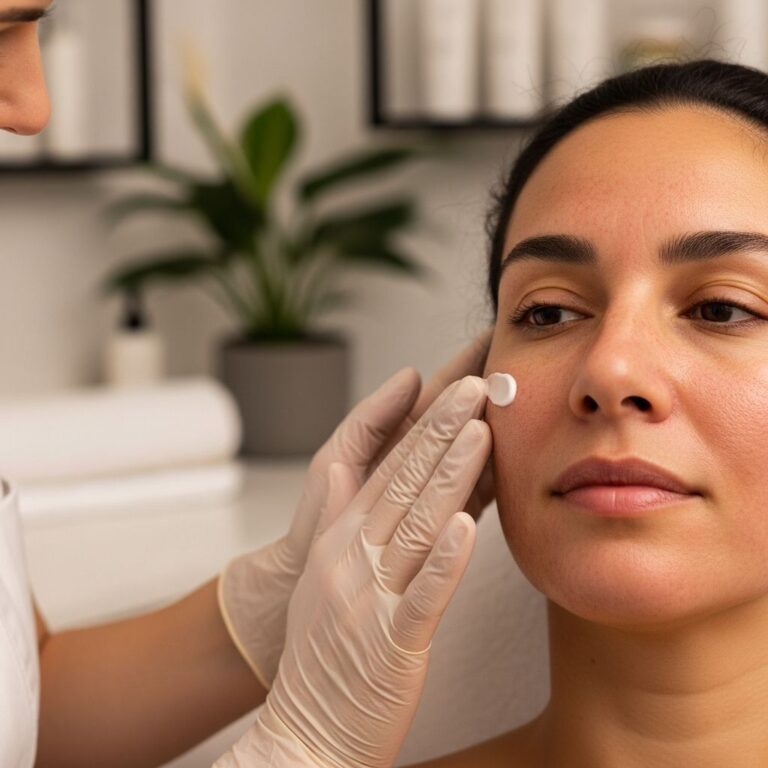
If nonprescription medications don’t prove effective, your healthcare provider or a medical aesthetician may recommend professional treatments. Prescription options include oral contraceptives and hormonal blockers, which can be particularly effective for treating severe comedonal acne related to hormonal fluctuations. For pregnant individuals experiencing whiteheads, prescription topical azelaic acid may be recommended, as it can help address post-inflammatory hyperpigmentation. Professional treatments performed by medical aestheticians or dermatologists may include extractions, chemical peels, microdermabrasion, or laser treatments, depending on the severity of your condition and your specific skin type.
Why You Shouldn’t Pop or Squeeze Whiteheads
Although squeezing whiteheads can be tempting and may feel satisfying in the moment, dermatologists strongly advise against this practice. Popping or squeezing whiteheads can lead to several significant problems that make your skin condition worse. When you squeeze a whitehead, you risk rupturing the skin barrier, which can allow bacteria to enter and cause infection. This infection can escalate the inflammation and potentially lead to deeper, more severe acne lesions. Additionally, the trauma from squeezing can damage the surrounding skin tissue and leave permanent scarring. The mechanical pressure can also push the bacteria and trapped material deeper into the skin, spreading the infection to surrounding areas and creating new acne lesions. For these reasons, it’s best to take a hands-off approach and allow whiteheads to heal naturally or with appropriate topical treatments.
Prevention Strategies for Whiteheads
While preventing whiteheads entirely can be difficult, especially during normal hormonal changes, several strategies can significantly reduce their frequency and severity. Prevention focuses on keeping your skin clean, managing oil production, and maintaining overall skin health.
Daily Skincare Practices
Establishing a consistent skincare routine is fundamental to whitehead prevention. Always remove all makeup completely using micellar water, followed by a gentle second cleanse with a suitable facial cleanser. This two-step cleansing approach is particularly important if you wear heavier makeup, as residual makeup can clog pores. Regular exfoliation helps remove dead skin cells before they accumulate inside hair follicles. Using retinol products even after breakouts have cleared can help regulate oil production and skin cell turnover, making it an excellent long-term preventative measure. Additionally, maintaining proper hydration and using non-comedogenic skincare and makeup products can prevent pore blockage.
Lifestyle Adjustments
Beyond skincare products, certain lifestyle modifications can help prevent whiteheads. Avoid touching your face throughout the day, as this transfers bacteria and oils to your skin. Change pillowcases regularly to minimize bacterial exposure during sleep. Be mindful of tight-fitting clothing in areas prone to whiteheads, as friction can irritate hair follicles. Managing stress levels is also important, as stress can trigger hormonal changes that increase oil production. Maintaining a balanced diet and staying hydrated can support overall skin health. If you have persistent whiteheads despite preventative efforts, seeing a healthcare provider at the first sign of a breakout allows you to start treatment immediately, which can prevent the condition from worsening.
When to Seek Professional Help
While most whiteheads are harmless and cosmetic concerns, there are situations where professional medical attention is warranted. If your whiteheads are accompanied by severe or widespread acne, persistent despite home treatment efforts, causing significant discomfort, or located in unusual body areas, you should consult with a healthcare provider or dermatologist. Individuals with cystic acne or whiteheads that resist nonprescription treatments should definitely seek professional evaluation. Your healthcare provider can determine whether prescription medications or professional treatments would be beneficial for your specific situation.
Natural Resolution and Long-Term Outlook
It’s important to note that whiteheads are not contagious, so you cannot spread them to another person through skin-to-skin contact. Most whiteheads resolve on their own within approximately seven days, though this timeline can vary depending on the severity of the lesion and individual skin characteristics. For many people, whiteheads become less frequent or disappear entirely in early adulthood, as hormonal fluctuations stabilize. However, some individuals continue to experience occasional whiteheads throughout their lives. By following appropriate skincare practices and seeking professional treatment when necessary, you can effectively manage whiteheads and minimize their impact on your skin health and appearance.
Frequently Asked Questions
Q: Are whiteheads the same as blackheads?
A: No, while both are comedones, they differ in structure. Blackheads are open comedones where air reaches the trapped sebum, causing oxidation that makes them appear dark. Whiteheads are closed comedones where the pore is sealed, keeping the contents white or yellowish.
Q: How long does it take for a whitehead to go away?
A: Most whiteheads resolve within approximately seven days on their own. However, this timeline can vary based on individual factors and the severity of the lesion. Starting treatment early can help accelerate the healing process.
Q: Can I prevent whiteheads completely?
A: Completely preventing whiteheads can be difficult, especially during hormonal changes. However, following a consistent skincare routine with regular cleansing, exfoliation, and using retinol products can significantly reduce their frequency and severity.
Q: Is it safe to pop whiteheads?
A: No, popping whiteheads can cause infection, permanent scarring, and spread bacteria to surrounding areas. It’s best to use appropriate topical treatments or see a healthcare provider instead.
Q: Which treatment is most effective for whiteheads?
A: Effectiveness varies by individual, but commonly recommended treatments include salicylic acid, benzoyl peroxide, and retinol. If nonprescription options don’t work, consult with a dermatologist about prescription or professional treatments.
Q: Can whiteheads appear anywhere on the body?
A: Yes, whiteheads can appear anywhere sebaceous glands are present, though they’re most common on the face, neck, back, and chest. They can occasionally develop in less common areas like the scalp, ears, or other body parts.
Q: Are whiteheads contagious?
A: No, whiteheads are not contagious. You cannot spread them to another person through skin-to-skin contact or any other means.
References
- Whiteheads: What They Are, Causes, Treatment & Prevention — Cleveland Clinic. 2021-11-12. https://my.clevelandclinic.org/health/diseases/22039-whiteheads
- Acne Face Map: The Cause of These Breakouts — Cleveland Clinic. https://health.clevelandclinic.org/acne-face-map
- How To Get Rid Of Whiteheads, According To Dermatologists — Women’s Health Magazine. https://www.womenshealthmag.com/beauty/a43656747/how-to-get-rid-of-whiteheads/
- Acne: Types, Causes, Treatment & Prevention — Cleveland Clinic. https://my.clevelandclinic.org/health/diseases/12233-acne
- Whiteheads and Milia: What’s the Difference? — Cleveland Clinic. https://my.clevelandclinic.org/health/diseases/22039-whiteheads
Similar Articles








Read full bio of medha deb